

A Guide to Replacing the Radiator in Your 1995-2000 Dodge Avenger
Keep your Avenger's engine cool and prevent costly damage by understanding your radiator replacement options.
- Aftermarket radiators fit both the 2.0L and 2.5L engines for this generation.
- If you have a 1997 model with an automatic transmission, verify that the transmission cooler line recall (NHTSA 97V081002) was performed to prevent a fire risk.
- Properly bleeding all air from the cooling system after installation is critical, especially on the 2.5L V6, to prevent overheating.
- Always install a new radiator cap with a new radiator to ensure the system holds pressure correctly.
Is Your Avenger's Radiator Failing? Common Symptoms
A failing radiator on a 1995-2000 Dodge Avenger will show clear warning signs. Because overheating can quickly ruin your engine, it's important to address these symptoms immediately.
- Engine Temperature Gauge in the Red: The most obvious sign is your car's temperature gauge climbing into the hot zone or the red. This can happen while driving or even at idle.
- Visible Coolant Leaks: You may find puddles of green, orange, or pink fluid under the front of your car. The plastic tanks on the top and bottom of the radiator are a common source of these leaks as they can crack with age.
- Low Coolant Level: Frequently needing to add coolant to the overflow tank is a sign of a leak somewhere in the system.
- Steam from Under the Hood: If you see steam coming from the engine bay, pull over immediately. This indicates a significant coolant leak and an overheating engine.
Choosing the Right Aftermarket Radiator
For a vehicle like the 1995-2000 Avenger, an aftermarket radiator is the most practical and affordable choice. Original Equipment (OEM) parts are often discontinued or very expensive, providing little benefit for a car of this age. Aftermarket parts are designed to fit and function like the original, often at a much lower price.
Available Aftermarket Brands
When shopping for a replacement, you will encounter different brands. Here’s an honest look at what to expect:
- Spectra: Spectra is a widely available and well-known aftermarket brand. It's a budget-friendly option that generally fits well. However, some owners have reported that the cooling fins are thin and can be damaged easily. In some cases, the transmission line fittings may be in a slightly different position than the original, requiring a minor adjustment of the lines to ensure they don't rub against engine belts.
- One Stop Solutions: This brand is a more generic or private-label option. There is not a lot of public review data available for it, so its quality and long-term durability are not as well-documented as other brands. It may be a viable choice if the budget is your primary concern.
Pro Tip: Don't Forget the Radiator Cap
When replacing your radiator, it is highly recommended to also install a new radiator cap. A weak or faulty cap can't hold the proper pressure, which lowers the boiling point of your coolant and can lead to overheating even with a new radiator. It's a small, inexpensive part that is critical for the system to work correctly.
Vehicle-Specific Known Issues
Owners of the first-generation Dodge Avenger should be aware of a couple of specific issues:
- 1997 Transmission Cooler Line Recall: Some 1997 models were recalled because a connector on the transmission cooler line could fail. This could cause hot transmission fluid to spray onto the exhaust, creating a serious fire risk. The recall number is NHTSA 97V081002. If you own a 1997 Avenger with an automatic transmission, you should verify this repair was completed.
- Bleeding Air from the 2.5L V6: The 2.5L V6 engine can be difficult to properly bleed all the air out of the cooling system after a radiator replacement or coolant flush. Trapped air can cause air pockets that lead to overheating and a lack of heat from the vents. Ensure this procedure is done carefully, either by you or your mechanic.
Cost to Replace a 1995-2000 Dodge Avenger Radiator
The total cost will vary depending on the parts you choose and whether you perform the labor yourself. Aftermarket radiators offer significant savings over OEM parts.
| Part or Service | Estimated Cost |
|---|---|
| New Aftermarket Radiator | $95 - $158 |
| Shop Labor | $250 - $400 |
| Total Estimated Cost (At a Shop) | $345 - $558 |
Frequently Asked Questions (FAQ)
Does this radiator fit both the 4-cylinder and V6 engines?
Yes, aftermarket radiators for the 1995-2000 Dodge Avenger are typically designed to fit all engine options, including the 2.0L 4-cylinder and the 2.5L V6.
Can I use this radiator for an automatic and a manual transmission?
Yes. Aftermarket radiators for this model come with a built-in transmission oil cooler for automatic models. If you have a manual transmission, you can simply leave the transmission cooler ports capped and un-used.
How difficult is it to replace the radiator myself?
For a DIYer with some experience, this job is moderately difficult. It requires removing the airbox and cooling fans and carefully disconnecting radiator hoses and transmission lines. The most critical part is properly refilling and bleeding the air out of the system afterward to prevent overheating.
Should I replace my radiator hoses at the same time?
Yes, it is an excellent idea. Your radiator hoses are made of rubber and degrade over time. Since you will already be draining the coolant to replace the radiator, replacing the upper and lower hoses at the same time is a smart and inexpensive way to prevent a future failure.
Technical Specifications
OEM Part Numbers: MR127912
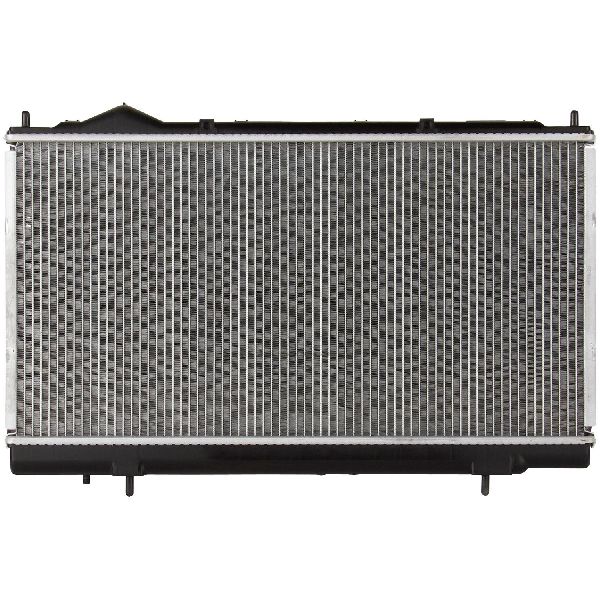
The radiator for the 1995-2000 Dodge Avenger is a downflow design with plastic tanks on the top and bottom. It includes an integrated transmission oil cooler for automatic models. The core dimensions are approximately 13.75 inches x 26.7 inches x 1.03 inches.
We Have This Part in Stock


The information in this article is provided for general reference and educational purposes only. Vehicle specifications, procedures, and part compatibility can vary by production date, trim level, and region. Always consult your vehicle's factory service manual and verify part numbers before purchasing or performing repairs. Safety-critical components such as airbags, seat belts, and braking systems should be installed by a qualified professional.
- Dodge Avenger:
- 🛍️ Shop This Part
- Is Your Avenger's Radiator Failing? Common Symptoms
- Choosing the Right Aftermarket Radiator
- Available Aftermarket Brands
- Pro Tip: Don't Forget the Radiator Cap
- Vehicle-Specific Known Issues
- Cost to Replace a 1995-2000 Dodge Avenger Radiator
- Frequently Asked Questions (FAQ)
- 🎟️ Get 5% Off