

Ford Ranger Vehicle Speed Sensor (VSS) Diagnosis and Replacement Guide (1995-2000)
Solve your 1995-2000 Ford Ranger's erratic speedometer, ABS light, and poor shifting by understanding and choosing the right speed sensor.
- First, confirm your Ranger's year to know if you need the transmission sensor (95-97) or the rear axle ABS sensor (98-00).
- Symptoms like a bad speedometer and harsh shifting are classic signs of a failing VSS.
- Consider spending a bit more on a quality brand like Motorcraft, Delphi, or Standard Ignition to avoid repeat failures.
- Before buying a new part, always inspect the sensor's wiring for visible damage, as that can cause the same issues.
Is Your Ranger's Speedometer Acting Up?
A failing vehicle speed sensor is a common issue on the 1995-2000 Ford Ranger. Symptoms often start small but can become serious safety and drivability concerns. Because the sensor's job is so important, a failure can affect multiple systems at once.
Critical Part Information: 1995-1997 vs. 1998-2000
It is extremely important to identify the correct sensor for your truck's year. They are not interchangeable.
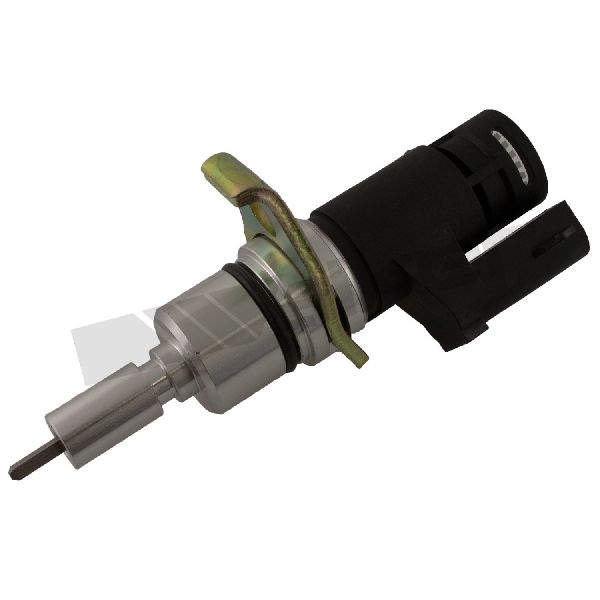
1995-1997 Rangers: The main speed sensor (VSS) is located on the driver's side of the transmission or transfer case.
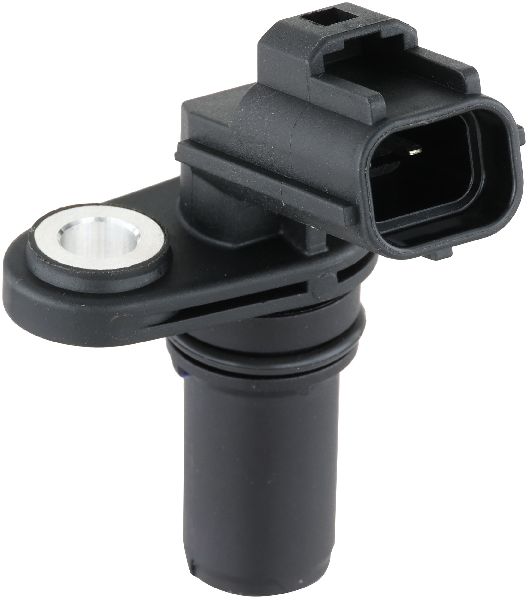
1998-2000 Rangers: These trucks use the ABS speed sensor on top of the rear differential as the primary vehicle speed sensor. Ordering a "transmission speed sensor" for these years will result in getting the wrong part.
Common Failure Symptoms
When the VSS fails, your truck's computer gets confusing information, or none at all. This can cause a variety of problems:
- Erratic or Dead Speedometer: The needle may jump around, read incorrectly, or not move at all.
- Harsh or Incorrect Shifting (Automatic Transmissions): The transmission relies on speed data to shift gears at the right time. A bad signal can cause hard shifts, delayed shifting, or getting stuck in one gear.
- ABS Light On: Especially on 1998-2000 models, a faulty rear axle sensor will almost always trigger the ABS warning light.
- Unwanted ABS Activation: At low speeds, a failing sensor can trick the system into thinking a wheel is locked up, causing the ABS to pulse the brakes.
- Cruise Control Not Working: The cruise control system needs a steady speed signal to function.
- Check Engine Light: A diagnostic trouble code, most commonly P0500 (Vehicle Speed Sensor 'A' Malfunction), 🎬 See how to fix a P0500 code and replace the sensor. may be stored in the computer.
Choosing the Right Aftermarket Speed Sensor
While a Motorcraft sensor from the dealer is an option, many high-quality aftermarket parts are available. For a critical electronic sensor, it's often worth spending a little more to avoid a faulty part that causes the same problems as the one you're replacing.
Brand Quality Tiers
- Premium Aftermarket (Recommended): Brands like Motorcraft (OEM), Delphi, and Standard Ignition (SMP) have a strong reputation for producing reliable sensors that meet or exceed original specifications. Forum users frequently recommend these brands for their fit and durability, reducing the risk of having to do the job twice.
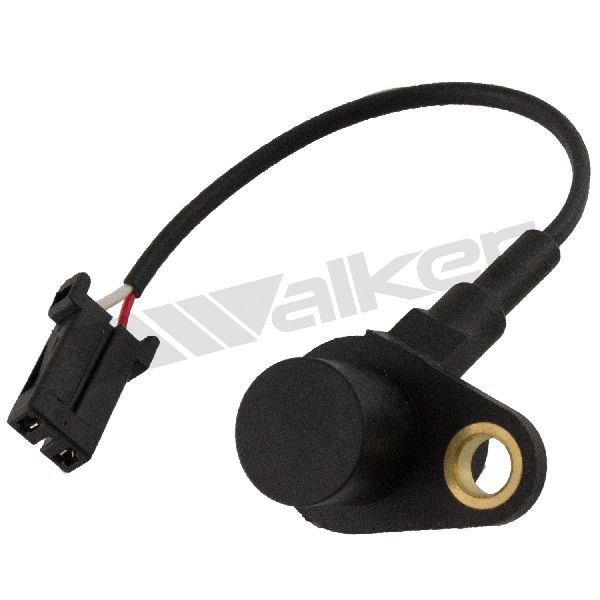
- Standard Aftermarket: Brands like Dorman, Walker Products, and Holstein offer a balance of price and quality. Dorman is well-known and often provides unique solutions, but their electronic parts have a mixed reputation among mechanics and DIYers. These can be a good budget-friendly option, but the failure rate can be higher than premium brands.
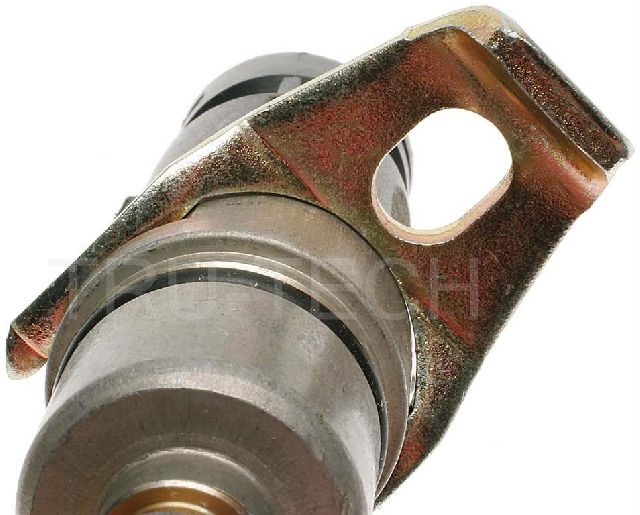
- Economy Brands: Brands like True Tech fall into the economy category. While the price is attractive, the quality and longevity can be a gamble. These are best suited for a temporary fix or if budget is the absolute primary concern.
Pro Tip: Check Your Wires First!
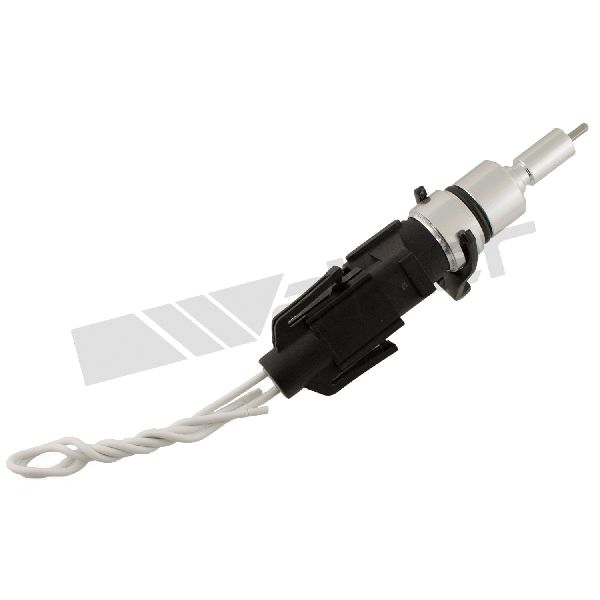
Before you replace the sensor, inspect the wiring harness connected to it. Wires can become brittle, corroded, or damaged from road debris, especially for the exposed sensor on the rear axle. A simple wiring repair might be all that's needed to fix the problem.
Installation Overview
Replacing the speed sensor on a 1995-2000 Ranger is a beginner-friendly job that usually takes less than an hour.
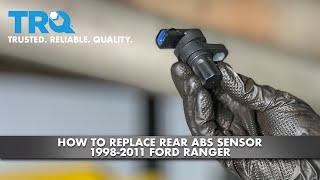
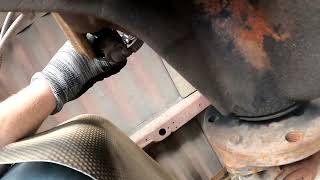
- Locate the Sensor: Either on the rear of the transmission (95-97) or the top of the rear differential (98-00). 🎬 Watch: Step-by-step guide to replacing the rear ABS sensor.
- Disconnect: Unplug the electrical connector.
- Unbolt: Remove the single bolt (usually 10mm or a T30 Torx) holding the sensor in place.
- Remove Sensor: Gently twist and pull the old sensor out. It may be stuck. For the rear axle sensor, clean any rust or debris from the mounting hole before installing the new one to ensure a proper fit.
- Install New Sensor: Lubricate the new O-ring with a little clean transmission fluid or gear oil, insert the new sensor, tighten the bolt, and reconnect the electrical plug.
| Part Type | Estimated Cost |
|---|---|
| New Aftermarket Sensor | $38 - $100 |
| New OEM (Motorcraft) Sensor | $90 - $270 |
| Shop Labor | $75 - $150 |
Frequently Asked Questions
Why does my speedometer still not work after replacing the sensor?
If a new, quality sensor doesn't solve the issue, the problem is likely elsewhere. The most common culprits are a damaged wiring harness between the sensor and the computer, a faulty ABS module (on 1998-2000 models), or a failed instrument cluster.
Is there a recall on the Ford Ranger speed sensor?
There is no direct recall for the VSS itself. However, there was a recall (NHTSA 09S09) for a faulty Speed Control Deactivation Switch on some 1995-1997 Rangers that could pose a fire risk. It is wise to check if your vehicle is affected by this or any other open recalls. You can check for free on the NHTSA website.
What tools do I need to replace the speed sensor?
You will need basic hand tools. A socket wrench with a 10mm socket or a T30 Torx bit will typically handle the retaining bolt. You may also want a small wire brush to clean the sensor mounting area and some penetrating oil if the old sensor is stuck.
Do I need to reset the computer after replacing the sensor?
Generally, no. Once the new sensor is installed and providing a correct signal, the symptoms should disappear after a short drive. The Check Engine and ABS lights should also turn off on their own, though you can clear them immediately with an OBD-II scanner to be sure.
Helpful Videos
Technical Specifications
OEM Part Numbers: F5TZ7M101A F5TZ-7M101-A DY1206 95GT7M101AC
The primary speed sensor for 1995-1997 models is on the transmission. For 1998-2000 models, the function is served by the ABS sensor on the rear differential.
We Have This Part in Stock


The information in this article is provided for general reference and educational purposes only. Vehicle specifications, procedures, and part compatibility can vary by production date, trim level, and region. Always consult your vehicle's factory service manual and verify part numbers before purchasing or performing repairs. Safety-critical components such as airbags, seat belts, and braking systems should be installed by a qualified professional.
- Ford Ranger:
- 🎬 Helpful Videos
- 🛍️ Shop This Part
- Is Your Ranger's Speedometer Acting Up?
- Critical Part Information: 1995-1997 vs. 1998-2000
- Common Failure Symptoms
- Choosing the Right Aftermarket Speed Sensor
- Brand Quality Tiers
- Pro Tip: Check Your Wires First!
- Installation Overview
- Frequently Asked Questions
- 🎟️ Get 5% Off