

Steering Tie Rod End Guide for 1995-2001 Dodge Avenger
Eliminate steering play and clunking noises by choosing the right replacement tie rod ends for your Avenger.
- Common failure symptoms include clunking noises on turns, loose steering, and uneven tire wear.
- A professional wheel alignment is mandatory after replacing tie rod ends to ensure safety and prevent tire damage.
- Premium aftermarket brands like Mevotech (Supreme/TTX), Delphi, and Moog often offer better durability and features like grease fittings.
- There are no specific recalls from Dodge or NHTSA for tie rod ends on the 1995-2001 Avenger.
Is Your Dodge Avenger's Steering Feeling Loose?
If your 1995-2001 Dodge Avenger has developed a mind of its own on the road, or if you're hearing strange noises from the front end, worn steering tie rod ends are a likely culprit. These parts are essential for precise steering control. Because they are constantly moving and under load, they wear out over time. Replacing them is a common repair that restores steering feel and safety.
Symptoms of a Failing Tie Rod End
A bad tie rod end will give you several clear warning signs. You might notice one or more of the following:
- Clunking or Popping Noises: A distinct clunk or pop from the front wheels, especially during low-speed turns like pulling into a parking spot. This is the sound of the worn joint moving around excessively.
- Loose or Shaky Steering: The steering wheel may feel like it has a 'dead spot' or excessive play, requiring you to make constant small corrections to drive straight. You might also feel vibrations through the steering wheel.
- Uneven Tire Wear: When a tie rod is loose, it allows the wheel alignment to shift constantly as you drive. This often causes the inside or outside edge of your front tires to wear down much faster than the rest of the tread.
- Vehicle Wandering: The car may feel like it's pulling to one side, even when you're trying to drive straight.
Safety First: Get an Alignment
Replacing your tie rod ends will change your vehicle's wheel alignment. You must get a professional front-end alignment immediately after the parts are installed. Skipping this step will cause poor handling and will quickly destroy your new tires.
Choosing the Right Aftermarket Tie Rod End
For a 1995-2001 Avenger, original equipment (OEM) parts are likely unavailable or very expensive. The aftermarket offers a wide range of quality and price. Here’s how the available brands generally stack up based on user reviews and mechanic feedback.
Economy & Standard Replacement Brands
These brands offer a cost-effective solution for daily driving. They are designed to meet original specifications and are a good choice for budget-conscious repairs.
- Dorman: Often seen as a cost-effective option for the average driver.
- QuickSteer: A budget-friendly brand that meets basic requirements.
- MAS Industries: Another standard replacement-grade option.
- Beck Arnley: Generally considered a basic but decent quality part.
Premium & Problem-Solver Brands
These brands often feature improvements over the original design, such as stronger materials or serviceable grease fittings that can extend the part's life. They are a smart investment if you plan to keep your Avenger for a long time.
- Moog: Historically a top-tier brand, Moog is known for 'Problem Solver' parts that are often stronger than stock and include grease fittings for maintenance. However, some users feel the quality has declined in recent years, so it's best to ensure you are getting their higher-end line.
- Mevotech: This brand has gained a strong reputation. Their 'Supreme' and 'TTX' lines are considered high-quality, durable options, with some mechanics preferring them over other brands.
- Delphi: Widely regarded as an OE-quality manufacturer, Delphi parts are known for good performance and reliability, often priced in the mid-to-high range.
Pro Tip: Greasable vs. Sealed
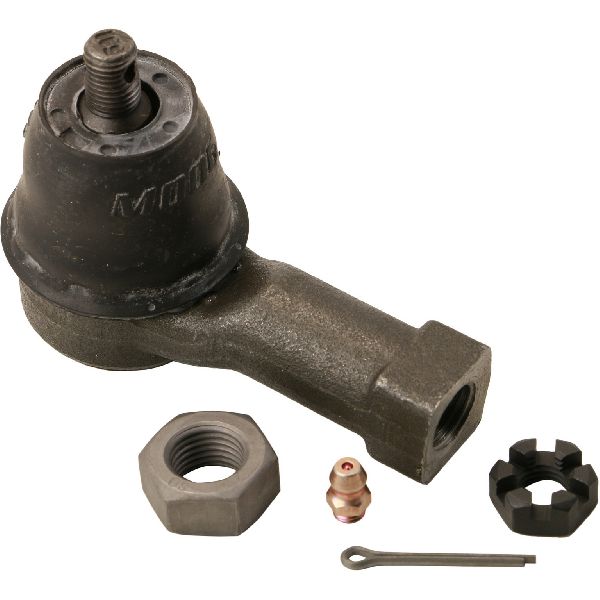
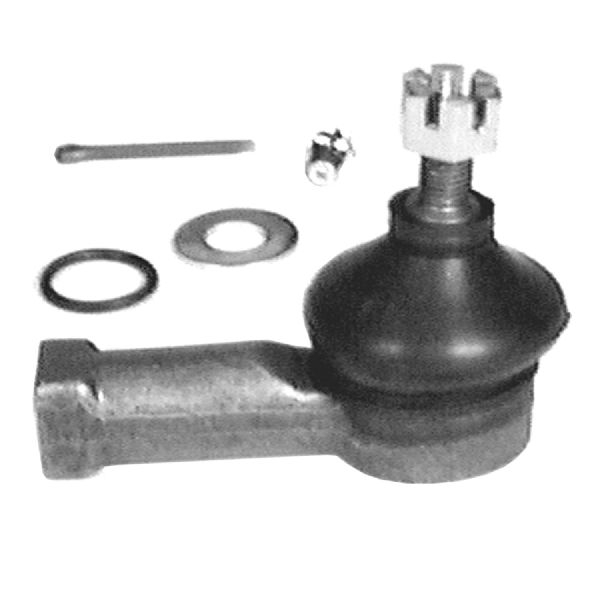
Some premium aftermarket tie rods are 'greasable,' meaning they have a small nipple (zerk fitting) that allows you to add fresh grease periodically. This can flush out contaminants and extend the life of the joint. Sealed units require no maintenance but must be replaced when they wear out. For maximum longevity, a greasable part is often the better choice.
Cost to Replace Dodge Avenger Tie Rod Ends
| Item | Estimated Cost |
|---|---|
| Aftermarket Tie Rod End (1) | $15 - $41 |
| Shop Labor (1-2 hours) | $120 - $250 |
| Front-End Alignment | $90 - $150 |
| Total Professional Job (One Side) | $225 - $441 |
Costs are estimates and will vary by location and the specific parts chosen. It is recommended to replace both outer tie rods at the same time.
Frequently Asked Questions
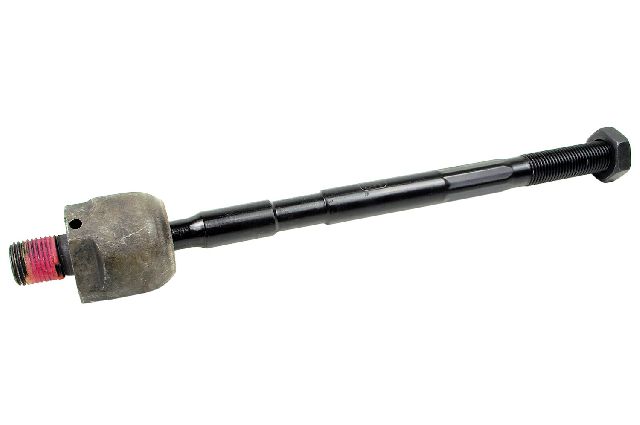
Do I need to replace inner and outer tie rods at the same time?
Not necessarily. A mechanic can check both. However, if the outer tie rod is worn, the inner one may not be far behind. Since you need an alignment after replacing either, doing them at the same time can save you money on a second alignment down the road.
How many tie rod ends does my Avenger have?
Your 1995-2001 Dodge Avenger has a total of four tie rod ends: two inner and two outer. This article focuses on the outer tie rod ends, which are the most commonly replaced.
Can I replace a tie rod end myself?
Yes, this is a DIY-feasible job for someone with the right tools and experience. You will need a jack and jack stands, a good socket set, and a special tool like a tie rod separator ('pickle fork') to pop the old joint out of the steering knuckle. Remember to count the number of rotations it takes to remove the old tie rod to get the new one close to the correct alignment before driving it to an alignment shop.
Were there any recalls for the 1995-2001 Avenger tie rods?
No, there were no specific safety recalls or Technical Service Bulletins (TSBs) issued by Dodge or the NHTSA for steering tie rod ends on the 1995-2001 Dodge Avenger. Searches did identify a recall for a lower ball joint on some 1995 models, which is a different part of the suspension.
Technical Specifications
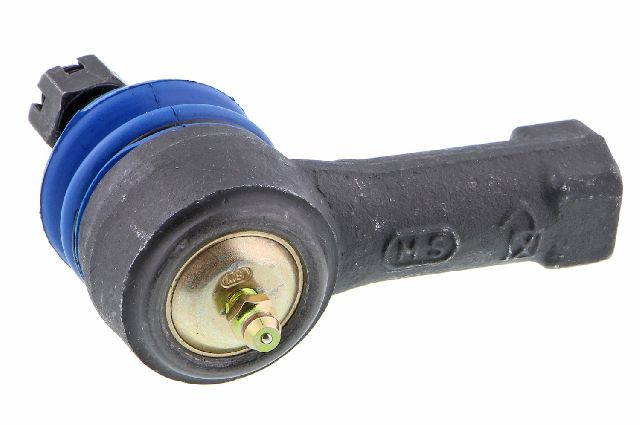
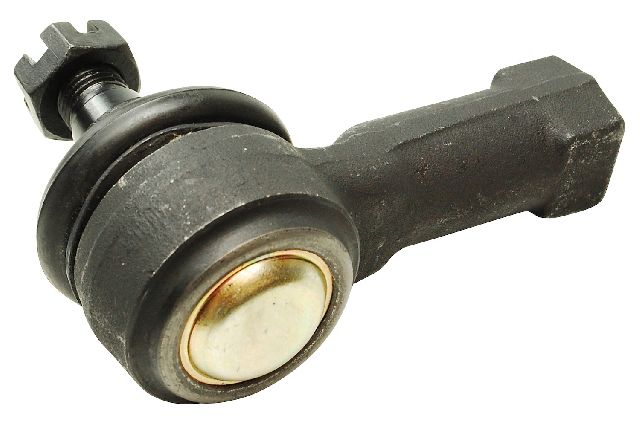
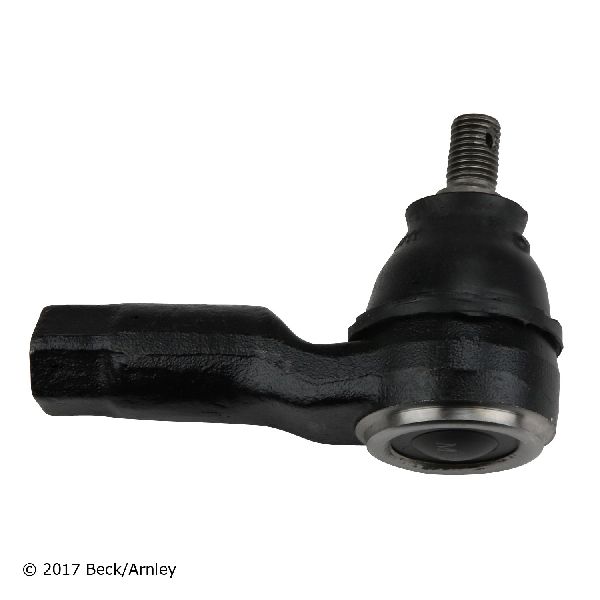
Each 1995-2001 Dodge Avenger is equipped with two outer steering tie rod ends, one for the driver side and one for the passenger side. They connect the inner tie rod to the steering knuckle. An alignment is required after replacement.
We Have This Part in Stock

The information in this article is provided for general reference and educational purposes only. Vehicle specifications, procedures, and part compatibility can vary by production date, trim level, and region. Always consult your vehicle's factory service manual and verify part numbers before purchasing or performing repairs. Safety-critical components such as airbags, seat belts, and braking systems should be installed by a qualified professional.
- Dodge Avenger:
- 🛍️ Shop This Part
- Is Your Dodge Avenger's Steering Feeling Loose?
- Symptoms of a Failing Tie Rod End
- Safety First: Get an Alignment
- Choosing the Right Aftermarket Tie Rod End
- Economy & Standard Replacement Brands
- Premium & Problem-Solver Brands
- Pro Tip: Greasable vs. Sealed
- Cost to Replace Dodge Avenger Tie Rod Ends
- Frequently Asked Questions
- 🎟️ Get 5% Off