

1995-2001 Suzuki Swift A/C Expansion Valve: A Home Mechanic's Guide
If your Swift's air conditioning is struggling to keep you cool, the A/C expansion valve might be the problem.
- A bad expansion valve typically causes warm or inconsistent A/C, and sometimes frost on the vents.
- Replacement is not a simple DIY job; it requires specialized A/C service equipment to handle the refrigerant.
- You must always replace the receiver/drier anytime the A/C system is opened for repair.
- For best results and longevity, choose a high-quality aftermarket brand like Denso or Four Seasons.
Is Your Swift's A/C Failing? It Could Be the Expansion Valve
When the A/C in a 1995-2001 Suzuki Swift starts blowing warm, many drivers assume it just needs a refrigerant recharge. While that's a common issue, a faulty A/C expansion valve can cause similar symptoms and is often overlooked. This component lives a hard life under high pressure and can get clogged or stuck over time. Understanding its failure symptoms can save you from more expensive and unnecessary repairs.
Common Symptoms of a Bad A/C Expansion Valve
A failing expansion valve can show itself in several ways. Paying attention to these signs can help you diagnose the problem correctly.
- Warm or Lukewarm Air: This is the most common symptom. If the valve is stuck closed, it restricts refrigerant flow, and your A/C won't cool properly.
- A/C Air Switches Between Cold and Warm: If the valve is sticking intermittently, you might feel the vent air get cold for a bit, then suddenly turn warm, and then go back to cold.
- Frost on A/C Vents or Components: If the valve is stuck open, it allows too much refrigerant into the evaporator. This can cause the evaporator to get too cold and freeze over, sometimes resulting in frost or ice particles blowing out of your vents. You might also see frost on the valve itself or the connected A/C lines under the hood.
- Hissing Sound from the Dash: A hissing or whistling noise from the dashboard area when the A/C is on can indicate a pressure imbalance caused by a faulty valve.
- Weak Airflow: As the evaporator ices over due to a stuck-open valve, it can block airflow, leading to a weak stream of air from the vents.
Professional Diagnosis is Key
Many of these symptoms, like warm air, can also be caused by other issues like a refrigerant leak or a bad compressor. A professional mechanic can use a manifold gauge set to read the high and low-side pressures of your A/C system, which is the most reliable way to confirm if the expansion valve is the true culprit.
Choosing the Right Aftermarket Expansion Valve
For a vehicle like the 1995-2001 Suzuki Swift, new OEM parts can be difficult to find. The aftermarket provides several good options that meet or exceed original quality. The brands are generally available in tiers based on quality and price.
- Tier 1 (OEM Quality): Denso
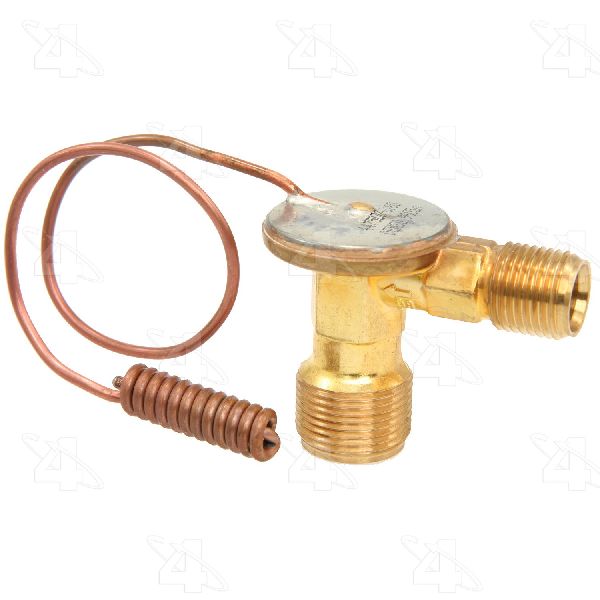
Denso is a well-respected brand that is an Original Equipment Manufacturer (OEM) for many car companies, including Suzuki on some models. Choosing a Denso valve is the closest you can get to buying an original part. They are known for excellent durability and precise performance, but are often the most expensive option. - Tier 2 (Quality Aftermarket): Four Seasons
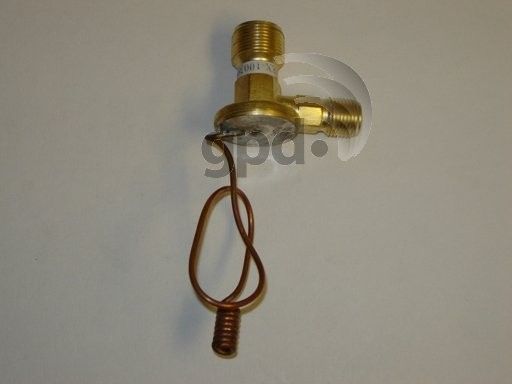
Four Seasons is a major player in the aftermarket A/C parts world. Their parts are known to be reliable and are a popular choice for repair shops and DIYers. They offer a great balance of quality and cost, making them a solid choice for most repairs. - Tier 3 (Budget-Friendly): Global Parts Distributors (GPD)
GPD offers parts that are more budget-focused. While they can be a good option if cost is the primary concern, some professional mechanics and forum users have reported more frequent issues with budget brands compared to Denso or Four Seasons.
Pro Tip: Always Replace the Receiver/Drier
Whenever you open the A/C system to replace a part like the expansion valve, you MUST also replace the receiver/drier (also called an accumulator). The drier contains a desiccant that absorbs moisture from the system. Once exposed to outside air, this desiccant is ruined. Failing to replace it will lead to poor A/C performance and can cause your new parts to fail prematurely.
Estimated Replacement Costs
The cost to replace the A/C expansion valve can vary based on local labor rates and the parts you choose. Because the job requires specialized equipment to handle refrigerant, most of the cost is in the labor.
| Item | Estimated Cost |
|---|---|
| New Aftermarket Expansion Valve | $18.55 - $43.27 |
| New OEM-Brand (Denso) Expansion Valve | $45 - $75 |
| Receiver/Drier (Required) | $20 - $50 |
| Shop Labor & Refrigerant Service | $200 - $350 |
| Total Estimated Cost | $240 - $470 |
Frequently Asked Questions
Can I replace the A/C expansion valve myself?
This is not recommended for a typical DIYer. The job requires the legal recovery of old refrigerant and a full vacuum and recharge of the system with specialized, expensive equipment. Attempting this without the right tools will result in a non-working A/C and is harmful to the environment.
Where is the expansion valve located on a 1995-2001 Suzuki Swift?
On most front-wheel-drive cars of this era, the expansion valve is located on the vehicle's firewall in the engine bay, where the A/C lines connect to the evaporator. In some cases, it may be located inside the vehicle, behind the glove box, attached directly to the evaporator.
Are there any recalls for the Suzuki Swift expansion valve?
No. Searches of the National Highway Traffic Safety Administration (NHTSA) database show no recalls or technical service bulletins (TSBs) related to the A/C expansion valve for the 1995-2001 Suzuki Swift.
Will a bad expansion valve cause a refrigerant leak?
Yes, it's possible. The seals and O-rings on the valve can fail over time, causing refrigerant to leak out. A video of a Suzuki Swift (year unspecified) showed a leak from the O-ring seals on the expansion valve.
Technical Specifications
Internally equalized thermal expansion valve (TXV). Uses O-ring seals for connections. Compatible with R134a refrigerant.
We Have This Part in Stock

The information in this article is provided for general reference and educational purposes only. Vehicle specifications, procedures, and part compatibility can vary by production date, trim level, and region. Always consult your vehicle's factory service manual and verify part numbers before purchasing or performing repairs. Safety-critical components such as airbags, seat belts, and braking systems should be installed by a qualified professional.
- Suzuki Swift:
- 🛍️ Shop This Part
- Is Your Swift's A/C Failing? It Could Be the Expansion Valve
- Common Symptoms of a Bad A/C Expansion Valve
- Professional Diagnosis is Key
- Choosing the Right Aftermarket Expansion Valve
- Pro Tip: Always Replace the Receiver/Drier
- Estimated Replacement Costs
- Frequently Asked Questions
- 🎟️ Get 5% Off