

A Guide to the 1995-2002 Chrysler Voyager Ignition Knock Sensor
If your Voyager feels sluggish or your check engine light is on, a bad knock sensor could be the reason.
- The knock sensor on V6 Voyagers is under the intake manifold, making replacement a labor-intensive and expensive job.
- Due to high labor costs, choose a quality aftermarket brand like Standard Ignition or Walker Products to avoid repeat repairs.
- The most common sign of failure is a Check Engine Light with code P0325, along with poor acceleration.
- Driving with a bad knock sensor is possible, but it leaves your engine unprotected from damaging detonation.
What is Engine Knock and Why Does it Matter?
Engine knock, also called detonation, is an uncontrolled explosion in your engine's cylinders instead of a smooth, controlled burn. This can cause a metallic pinging or knocking sound and, if left unchecked, can lead to costly engine damage. The knock sensor is your engine's first line of defense against this problem. When it fails, the computer doesn't get the warning it needs, and your engine's performance and health are at risk.
Symptoms of a Failing Knock Sensor
A bad knock sensor usually makes itself known. The most common sign is the Check Engine Light on your dashboard. You will likely find a stored trouble code, most often P0325. Other symptoms you might experience include:
- Poor Acceleration: The van may feel slow, hesitant, or sluggish when you press the gas pedal.
- Reduced Fuel Economy: Your engine runs less efficiently, so you'll find yourself filling up the gas tank more often.
- Audible Engine Pinging: You may hear a metallic tapping or pinging noise from the engine, especially when accelerating or going up hills.
- Rough Idle: In some cases, a bad sensor can cause the engine to idle erratically or even stall.
A Note on Location and Labor
On the popular 3.3L and 3.8L V6 engines in the 1995-2002 Voyager, the knock sensor is located on the engine block, underneath the lower intake manifold. This makes it a difficult part to access. Replacing it is a labor-intensive job that requires removing the upper and lower intake manifolds. Because of the high labor cost, it is critical to choose a quality replacement part to avoid doing the job twice.
Choosing the Right Aftermarket Knock Sensor
When you're facing a costly repair, it's tempting to buy the cheapest part available. For this specific job, that is not a good idea. Since most of the repair cost is labor, a quality sensor is a smart investment. Here’s a breakdown of the available brands:
- Premium Aftermarket (Standard Ignition): Standard Ignition (also known as SMP) is a well-regarded brand that designs parts to meet or exceed OEM specifications. They are often trusted by professional mechanics for their reliability. Some owners have even reported that these sensors solved issues that other brands, including OEM, could not. This is a top-tier choice for this repair.
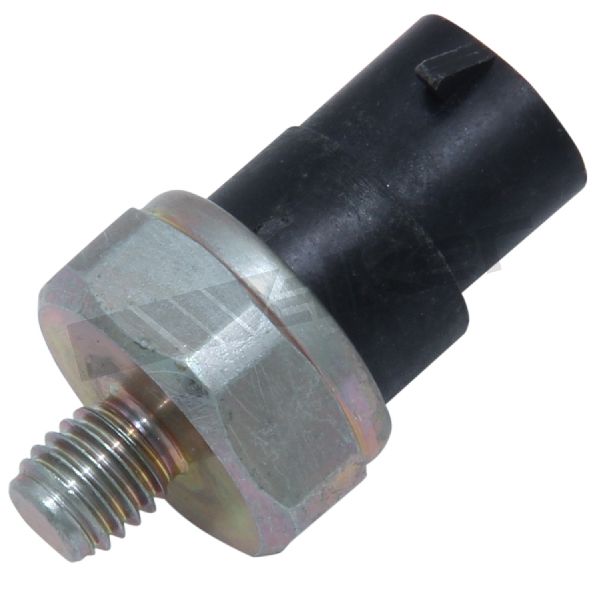
- Quality Aftermarket (Walker Products): Walker is another established brand that produces a wide range of engine sensors. They engineer their parts to match original equipment performance and durability, and they are built to withstand the heat and vibration of the engine. This is a solid, reliable option for most owners.
- Budget-Friendly (Global Parts): Global Parts is typically a more budget-focused brand. While the lower price is appealing, there is less public information available about their long-term reliability for this specific sensor. Given the high cost of labor for this replacement, a budget part represents a significant gamble.
| Part Type | Estimated Part Cost | Notes |
|---|---|---|
| New Aftermarket | $49.55 - $135.19 | Your cost for a new part from brands like Standard, Walker, or Global. |
| Shop Labor | $250 - $450 | Labor can be high due to the sensor's location under the intake manifold. |
| Total Professional Job | $300 - $585 | Total estimated cost for parts and professional installation. |
Frequently Asked Questions
Can I drive my Voyager with a bad knock sensor?
Yes, but it is not recommended for long. Your engine's performance will be poor, and more importantly, it will not be protected from damaging engine knock. It is best to get it repaired as soon as you can to avoid potential engine damage.
Can I replace the knock sensor myself?
For the V6 engines, this is an advanced DIY job. Because the sensor is under the intake manifolds, the repair requires significant disassembly of the top part of the engine. If you are not an experienced home mechanic with the right tools, it is best to leave this job to a professional.
Could something else cause a P0325 code?
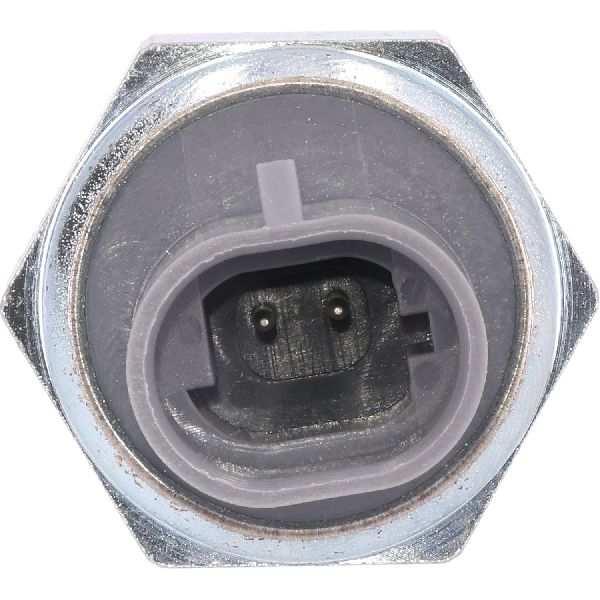
Yes. While a failed sensor is the most common cause, the code can also be triggered by a problem in the wiring or connector going to the sensor, or even an issue with the engine's computer. It's always a good idea to inspect the wiring for damage before replacing the sensor. The plastic connector can become brittle from engine heat over time.
Are there any recalls for the knock sensor on my Voyager?
No, there are no specific recalls or technical service bulletins (TSBs) from Chrysler or the NHTSA for a faulty knock sensor on the 1995-2002 Chrysler Voyager.
Technical Specifications
OEM Part Numbers: 4606225
Typically a single bolt-on sensor with a 2-pin electrical connector. Location varies by engine, but is found on the engine block.
We Have This Part in Stock


The information in this article is provided for general reference and educational purposes only. Vehicle specifications, procedures, and part compatibility can vary by production date, trim level, and region. Always consult your vehicle's factory service manual and verify part numbers before purchasing or performing repairs. Safety-critical components such as airbags, seat belts, and braking systems should be installed by a qualified professional.
- Chrysler Voyager: