

Choosing the Right Disc Brake Pads for Your 1995-2002 Toyota 4Runner
Stop the guesswork when it comes to replacing the brake pads on your 3rd Gen 4Runner.
- To avoid issues, choose high-quality brake pads; many owners prefer genuine Toyota (TFR, not TCMC) or top-tier aftermarket brands like Advics and Akebono.
- Vibrations during braking are a very common problem caused by warped rotors, which must be replaced along with the pads to solve the issue.
- Replacing the front pads is a feasible DIY job for many owners, involving the removal of retaining pins rather than the entire caliper.
- The "Tundra Brake Upgrade" is a popular and well-documented modification to improve upon the stock system's weaknesses.
Signs of Worn Brake Pads on a 3rd Gen 4Runner
Your 4Runner will tell you when its brake pads are getting low. The most common sign is a high-pitched squealing or scraping noise when you apply the brakes. This sound comes from a small metal tab called a wear indicator that makes contact with the rotor when the pad material is thin. If you ignore the squeal, it will eventually turn into a harsh grinding sound. This is a serious issue, as it means the metal backing plate of the pad is grinding against the rotor, which can cause severe damage and much more expensive repairs.
Other symptoms include:
- Vibrations or Pulsing: If you feel a shudder or pulse in the brake pedal or steering wheel when braking, your brake rotors are likely warped. This is a common complaint among 3rd Gen 4Runner owners. While new pads are needed, the rotors will also need to be replaced to fix the vibration.
- Longer Stopping Distances: If you notice the truck takes longer to stop than it used to, the pads may be too worn to create effective friction.
- Pulling to One Side: If the vehicle pulls left or right during braking, it could indicate a problem with a sticking caliper piston or unevenly worn pads.
The "Tundra Brake Upgrade" (TBU)
When shopping for brakes for your 4Runner, you will see many owners discussing the "Tundra Brake Upgrade." This involves replacing the stock 4Runner calipers and rotors with larger ones from a 1st generation Toyota Tundra. This is a popular modification to improve stopping power and reduce the chances of warping rotors, a known weak point of the stock setup. This article focuses on stock replacement pads, but it's a worthwhile upgrade to research if you tow, run larger tires, or want more braking performance.
Choosing the Right Aftermarket Brake Pads
Not all brake pads are created equal. For the 1995-2002 4Runner, you have a wide range of options from budget-friendly to high-performance. It's important to understand the difference between Original Equipment (OEM) pads and the various aftermarket tiers.
OEM vs. Aftermarket Quality
Many owners insist on using genuine Toyota brake pads, and for good reason. They are designed specifically for the 4Runner's braking system and offer a reliable, quiet performance. However, it is critical to know that Toyota offers two tiers of pads. You want the "Toyota Factory Replacement" (TFR) pads, which are made in Japan and are the same quality as what your truck came with. Avoid the cheaper "Toyota Complete Maintenance Care" (TCMC) pads, which are a budget option made to compete with low-cost aftermarket brands and are often the source of noise and dust complaints.
High-quality aftermarket brands can offer performance that is equal to or even better than OEM, often at a competitive price. Brands like Advics are the actual original equipment manufacturer for many Toyota vehicles, so their aftermarket pads are essentially OEM quality. Akebono is another top-tier brand known for its excellent ceramic pads.
Brand Tiers for Your 4Runner
- Premium (OEM-Equivalent): These pads are for owners who want the best quality for daily driving. They offer quiet operation, low dust, and long life, similar to or exceeding factory performance. Look for brands like Advics (often the OE supplier), Akebono (ProACT line), and genuine Toyota (TFR) pads.
- Performance: For owners who tow, off-road, or simply want more stopping power. These pads can handle higher temperatures but may create more dust and noise than premium ceramic pads. Brands in this category include Hawk Performance, EBC Brakes, and Powerstop (often sold as a kit with rotors).
- Standard (Daily Driver): These brands offer a great balance of quality and value for normal commuting and daily use. They are a solid step up from economy pads. Consider brands like Bosch (QuietCast series), Centric, Raybestos, and Wagner.
- Economy: While the price is low, these pads may not have the longevity, quietness, or low-dust characteristics of higher-tier options. Be cautious with the cheapest options, as some owners report they can contribute to rotor warping issues.
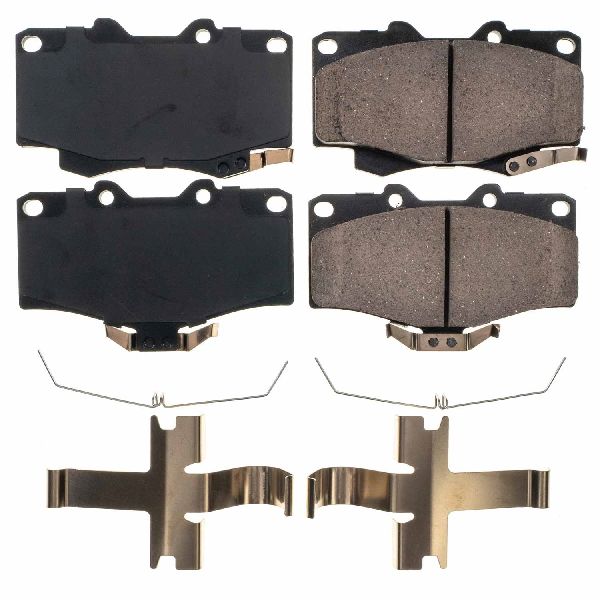
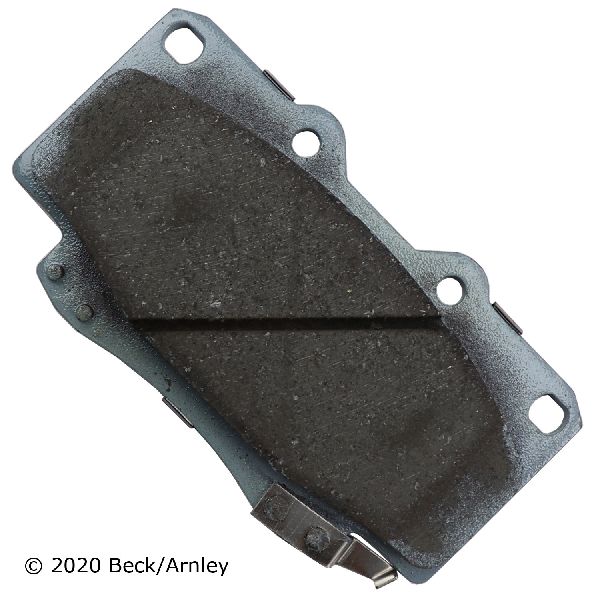
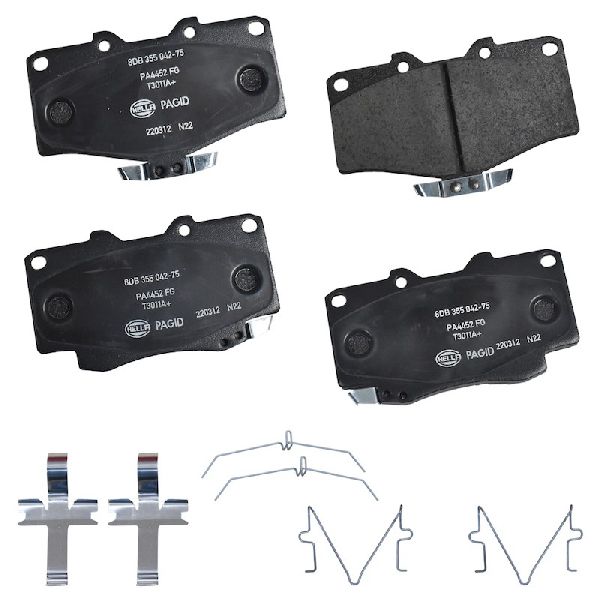
Pro Tip: The front brakes on the 1995-2002 4Runner use two retaining pins and clips to hold the pads in place. It is highly recommended to replace this hardware when you change your pads to ensure they move freely and don't rattle. Many aftermarket pad sets include new hardware.
Cost to Replace 1995-2002 Toyota 4Runner Brake Pads
| Item | Estimated Cost |
|---|---|
| New OEM Front Pad Set | $75 - $110 |
| New Aftermarket Front Pad Set | $29 - $193 |
| Shop Labor (Pads Only, Front) | $109 - $160 |
| Total Professional Replacement | $200 - $350+ |
Costs are estimates and can vary based on brand, location, and the condition of your rotors and calipers. Replacing rotors at the same time will significantly increase the cost.
Frequently Asked Questions
Are expensive brake pads worth it for my 4Runner?
For the 3rd Gen 4Runner, investing in high-quality pads from brands like Toyota (TFR), Advics, or Akebono is generally worth it. These trucks are heavy, and their stock brakes are prone to warping rotors. Premium pads offer better heat resistance, quieter operation, and more consistent performance, which can help prolong the life of your rotors and provide a better driving experience.
Why do my brakes vibrate or shake?
A vibration or pulsation felt through the brake pedal or steering wheel during braking is almost always caused by warped brake rotors. This happens when the rotors overheat and cool unevenly, creating high and low spots on the surface. To fix this, you must replace the rotors; simply changing the pads will not solve the problem.
Can I replace the brake pads myself?
Yes, replacing the front brake pads on a 1995-2002 4Runner is a job many owners do themselves. The fixed four-piston calipers require you to remove pins and slide the old pads out, then use a tool to compress the pistons before inserting the new pads. If you have basic mechanical skills and the right tools (like a C-clamp or piston spreader), it is a manageable DIY project. There are many video guides available online for this specific vehicle.
Are there any recalls for the 1995-2002 4Runner brakes?
No, there are no specific safety recalls from the NHTSA for the disc brake pads on the 1995-2002 Toyota 4Runner. While there were recalls for other items on the vehicle, the brake pads themselves were not subject to a recall.
Technical Specifications
OEM Part Numbers: 04465-35240 04465-35250 04465-35190 04465-35230
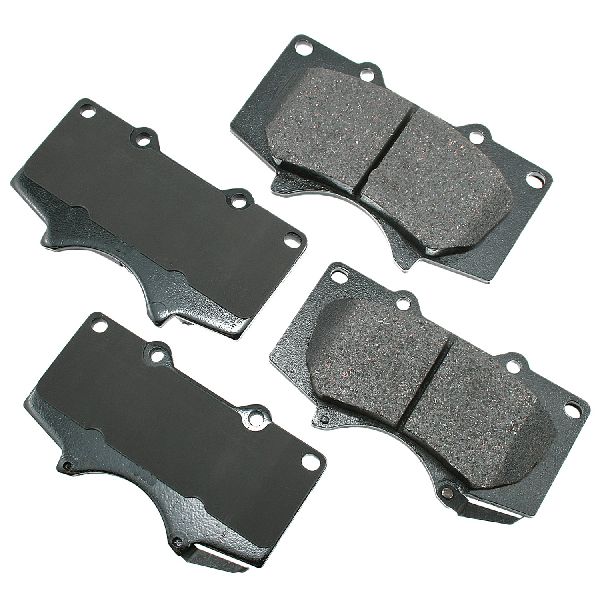
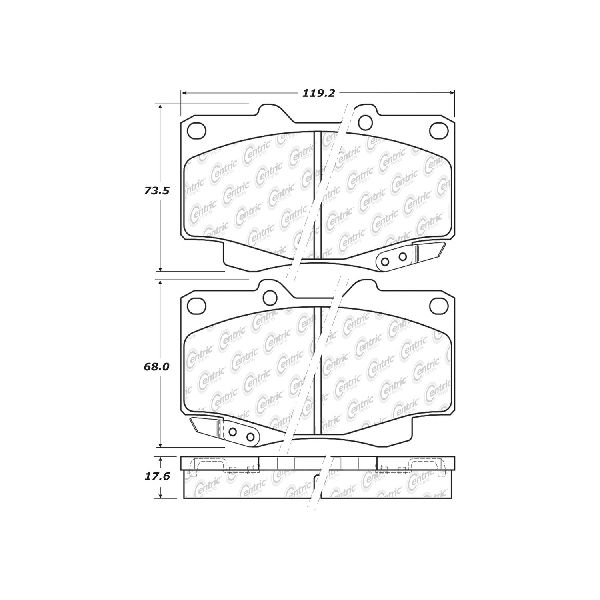
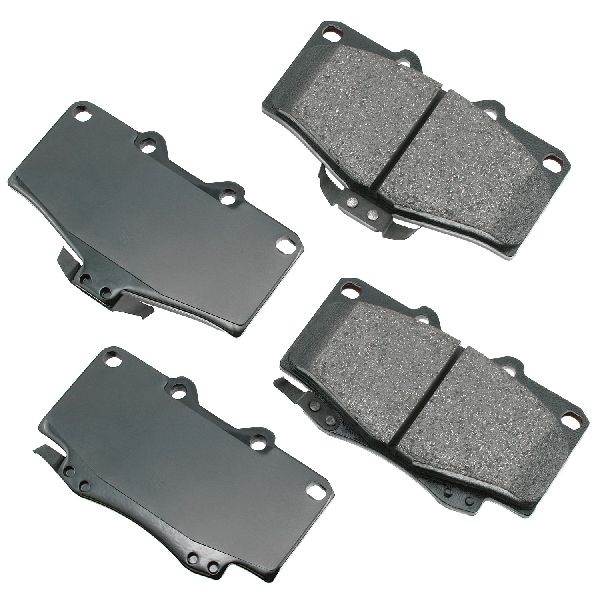
The 1995-2002 Toyota 4Runner uses a fixed, four-piston front brake caliper design. Brake pads are secured with two slide pins, a retaining clip, and an anti-rattle spring.
We Have This Part in Stock

The information in this article is provided for general reference and educational purposes only. Vehicle specifications, procedures, and part compatibility can vary by production date, trim level, and region. Always consult your vehicle's factory service manual and verify part numbers before purchasing or performing repairs. Safety-critical components such as airbags, seat belts, and braking systems should be installed by a qualified professional.
- Toyota 4Runner: