

Ford Windstar Engine Coolant Temperature Sensor Guide (1995-2003)
Is your Windstar running rough, getting poor gas mileage, or showing an erratic temperature gauge? Your Engine Coolant Temperature Sensor may be the problem.
- A faulty ECT sensor directly impacts fuel economy, engine performance, and cooling fan operation on your Windstar.
- Symptoms range from a Check Engine Light and poor mileage to critical engine overheating.
- For this part, spending slightly more on an OEM (Motorcraft) or premium aftermarket brand (Delphi, NGK) is recommended over economy options.
- Replacement is a simple DIY task that can be completed in under an hour with basic tools.
Is Your Windstar's Coolant Sensor Failing?
A bad Engine Coolant Temperature (ECT) sensor can cause a surprising number of problems with your 1995-2003 Ford Windstar. Because the sensor's reading affects so many engine functions, a wrong signal can make the engine computer think it's very cold or very hot, regardless of the actual temperature. This can lead to noticeable driving issues.
🎬 See a visual guide to common ECT sensor failure signs.Common Symptoms of a Bad ECT Sensor:
- Check Engine Light: This is often the first sign. The computer will store fault codes like P0117 (circuit low, reading too hot), P0118 (circuit high, reading too cold), or P0125 (insufficient temperature for closed loop).
- Poor Fuel Economy: If the sensor incorrectly tells the computer the engine is always cold, the computer will enrich the fuel mixture, wasting gas.
- Black Smoke from Exhaust: A very rich fuel mixture from a bad sensor signal may not burn completely, resulting in black smoke from the tailpipe.
- Engine Overheating: A faulty sensor might fail to signal the cooling fans to turn on when needed, leading to overheating.
- Hard Starting or Rough Idling: The engine may be hard to start, especially when warm, or it may idle poorly because the fuel mixture is incorrect for the actual engine temperature.
- Erratic Temperature Gauge: The gauge on your dashboard might swing wildly, stay on cold, or jump straight to hot.
Aftermarket vs. OEM Cost (1995-2003 Windstar)
| Part Type | Typical Price Range | Notes |
|---|---|---|
| New Aftermarket | $12.13 - $56.45 | Wide range of quality and price. Good value for this vehicle. |
| New OEM (Motorcraft) | $20 - $40 | The original part, considered the benchmark for quality. |
| Shop Labor | $50 - $100 | Typically a quick job, taking less than an hour. | 🎬 Watch a breakdown of symptoms and typical replacement costs.
Choosing the Right Aftermarket Sensor
For an older vehicle like the 1995-2003 Windstar, a new aftermarket ECT sensor is often a smart choice. However, quality can vary. Forum discussions among Ford owners suggest that while some aftermarket brands work fine, others can fail prematurely or provide inaccurate readings right out of the box. For a critical sensor like this, it's often worth spending a few extra dollars to avoid future headaches.
Brand Tiers for Your Ford Windstar
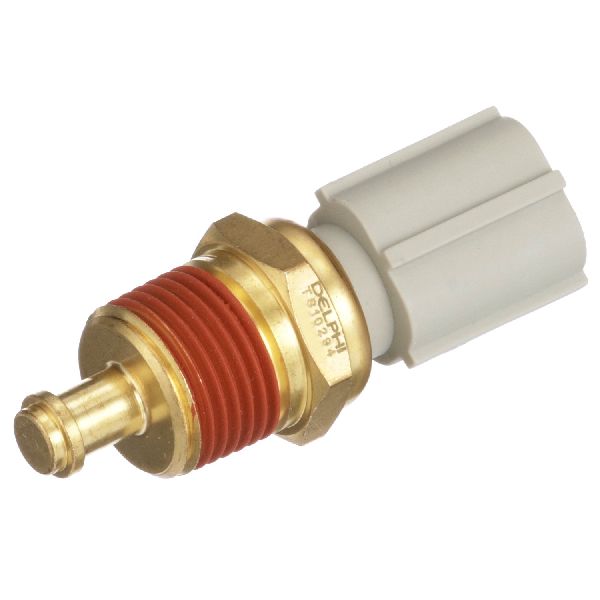
- Premium Aftermarket/OEM: Motorcraft is Ford's original part brand and the safest bet for perfect fit and function. Brands like NGK and Delphi also have a strong reputation for producing quality sensors that meet or exceed original specifications.
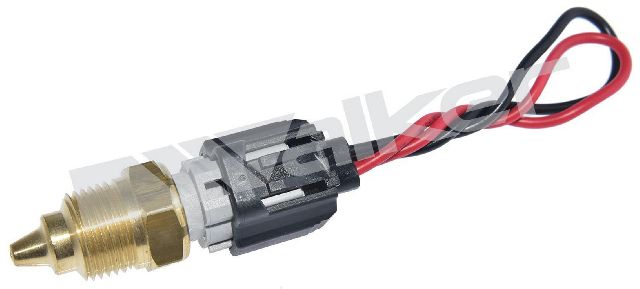
- Quality Aftermarket: Brands like Standard Ignition (SMP) and Walker Products are well-known in the aftermarket and generally offer a good balance of price and reliability.
- Economy Brands: Other brands like Facet, Four Seasons, and True Tech offer the lowest prices but may have a higher risk of inconsistent quality. For a part this critical and inexpensive to replace, sticking with a known brand is recommended.
Known Issues, Recalls, and TSBs
Searches for recalls and Technical Service Bulletins (TSBs) specific to the 1995-2003 Ford Windstar's Engine Coolant Temperature Sensor did not reveal any specific campaigns. However, Ford has issued recalls for other vehicles related to cooling systems and sensors, highlighting the importance of these components for engine safety. The most common issue for the Windstar is simple sensor failure due to age.
Frequently Asked Questions (FAQ)
Where is the ECT sensor located on a 1995-2003 Ford Windstar?
On Ford Windstar models with the 3.8L or 3.0L engine, the ECT sensor is typically screwed into a coolant passage on the engine itself, often near the thermostat housing. It's a small sensor with an electrical connector. Some models may have a second sensor or sender just for the dashboard temperature gauge.
Can I replace the Windstar's coolant sensor myself?
Yes, this is a DIY-friendly job for most home mechanics. The process involves letting the engine cool completely, partially draining the coolant, unplugging the old sensor, and screwing in the new one. You will need a deep socket wrench. Always top off the coolant and check for leaks after installation.
🎬 Learn how to identify and fix faulty sensors on Fords.What happens if I don't replace a bad ECT sensor?
Ignoring a faulty ECT sensor can lead to more serious problems. Persistently poor fuel economy costs you money, while a rich fuel mixture can foul spark plugs. Most critically, if the sensor fails to trigger the cooling fans, your engine can overheat, potentially causing severe and expensive damage like a warped cylinder head.
Is it better to buy an OEM Motorcraft sensor or an aftermarket one?
For this part, many Ford owners recommend using the OEM Motorcraft sensor because the quality is guaranteed and the price difference is often small. However, a premium aftermarket brand like Delphi or NGK is also a very reliable choice. Given the low cost of the part, it's wise to avoid the cheapest options, which have a higher reported failure rate.
Helpful Videos
Technical Specifications
OEM Part Numbers: 3F1Z-12A648-A F5AZ-12A648-A F5AZ-12A648-AB
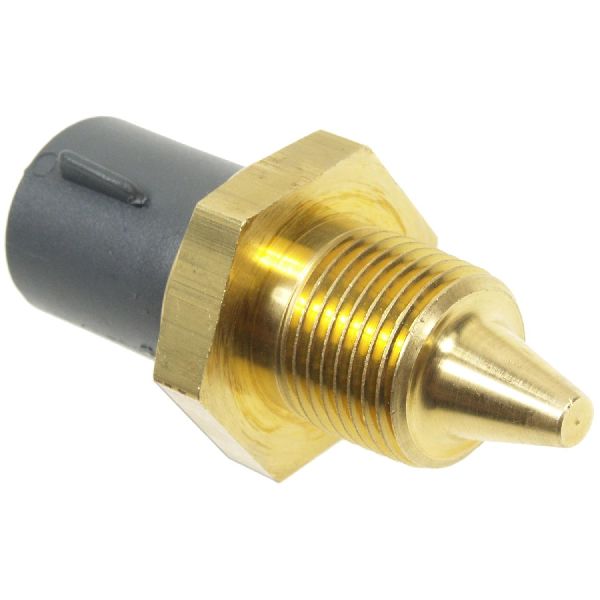
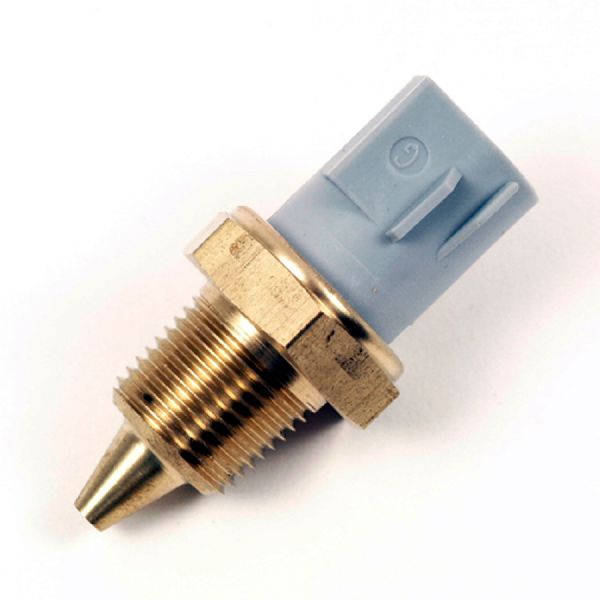
The Engine Coolant Temperature sensor for the 1995-2003 Ford Windstar is a two-wire thermistor. Its electrical resistance changes based on the temperature of the engine coolant, sending a variable voltage signal to the PCM.
We Have This Part in Stock


The information in this article is provided for general reference and educational purposes only. Vehicle specifications, procedures, and part compatibility can vary by production date, trim level, and region. Always consult your vehicle's factory service manual and verify part numbers before purchasing or performing repairs. Safety-critical components such as airbags, seat belts, and braking systems should be installed by a qualified professional.
- Ford Windstar:
- 🎬 Helpful Videos
- 🛍️ Shop This Part
- Is Your Windstar's Coolant Sensor Failing?
- Common Symptoms of a Bad ECT Sensor:
- Aftermarket vs. OEM Cost (1995-2003 Windstar)
- Choosing the Right Aftermarket Sensor
- Brand Tiers for Your Ford Windstar
- Known Issues, Recalls, and TSBs
- Frequently Asked Questions (FAQ)
- 🎟️ Get 5% Off