

Audi A6 Quattro Engine Thermostat: A Guide for the 1995-2005 Models
Replacing the thermostat on your A6 Quattro is more complex than you think; here's what you need to know.
- On V6 engines (2.8L, 2.7T), the thermostat is behind the timing belt; always replace the belt, water pump, and thermostat together.
- Do not use budget-tier thermostat brands for V6 models; the risk of premature failure outweighs the small cost savings due to the extremely high labor cost.
- The 4.2L V8 engine has a much more accessible thermostat, making the replacement significantly cheaper and easier.
- Consider upgrading the failure-prone original plastic thermostat housing to a more durable aluminum version.
Is Your Thermostat Failing?
A thermostat failure in the 1995-2005 Audi A6 Quattro typically happens in one of two ways: stuck open or stuck closed. A stuck-open thermostat is the most common failure and will prevent your engine from reaching operating temperature. A stuck-closed thermostat is more dangerous, as it will block coolant flow and cause the engine to overheat quickly.
Key Symptoms of a Bad Thermostat:
- Engine Overheating: The temperature gauge climbs into the red. This is a critical issue caused by a thermostat stuck closed. Pull over immediately to prevent severe engine damage.
- Engine Not Warming Up: The temperature gauge stays low, and the heater blows lukewarm or cold air. This is caused by a thermostat stuck open.
- Fluctuating Temperature Gauge: The needle moves erratically between hot and cold, indicating the thermostat is not regulating temperature correctly.
- Coolant Leaks: You may see coolant (a green or pink fluid) leaking from the thermostat housing area. The original plastic housings on these models are known to degrade, crack, and leak over time.
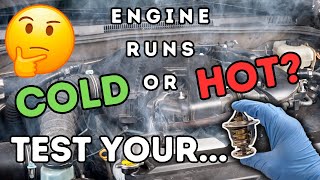
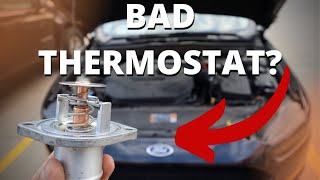
- Check Engine Light: A code such as P0128 may be stored, indicating the engine is not reaching the proper temperature 🎬 Watch: How to diagnose symptoms and test for code P0128 in the expected time.
V6 vs. V8 Engines: A Major Difference in Repair
Before you plan this repair, you must know which engine your A6 has. The replacement procedure is drastically different.
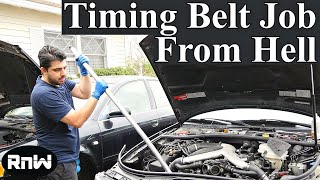
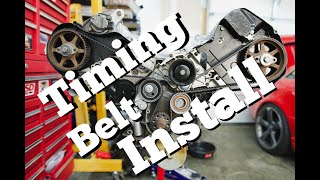
For V6 Engines (2.8L and 2.7T): The thermostat is located behind the timing belt. This makes replacement a very complex and labor-intensive job. The entire front of the car must be put into a "service position," and the timing belt must be removed. Because of this, it is strongly recommended to replace the timing belt, water pump, and all related tensioners and seals at the same time. Attempting to only change the thermostat is a poor investment 🎬 See this walkthrough for V6 timing belt and thermostat replacement due to the high labor cost.
For V8 Engines (4.2L): The job is much simpler. The thermostat is located on the side of the engine block and can be accessed without removing the timing belt. While still requiring some work, it is a far less involved and less expensive repair.
Choosing the Right Aftermarket Thermostat
Given the massive labor cost for V6 models, this is not a part you want to fail prematurely. Saving $20 on a budget thermostat could cost you over a thousand dollars in repeat labor. Prioritize quality.
Aftermarket Brand Quality Tiers
| Tier | Brands | Recommendation |
|---|---|---|
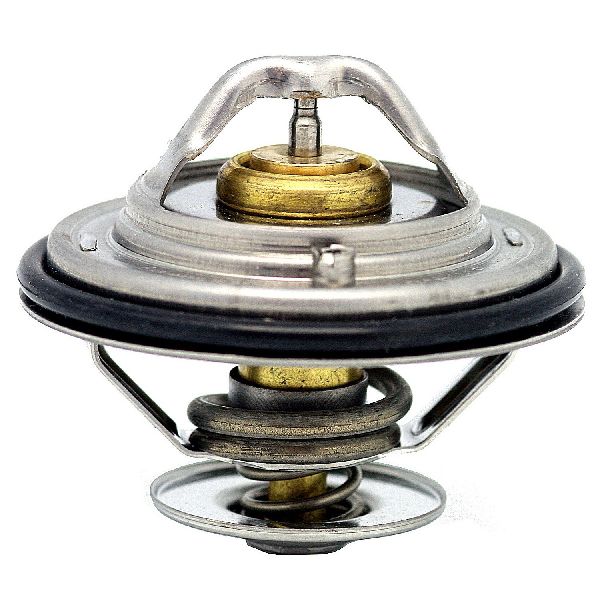
| Tier 1: OEM Quality | Mahle, Behr, Gates, Calorstat | Highly recommended. These brands are often the original equipment manufacturers for Audi. They provide the best fit and reliability, which is essential for a high-labor job. |
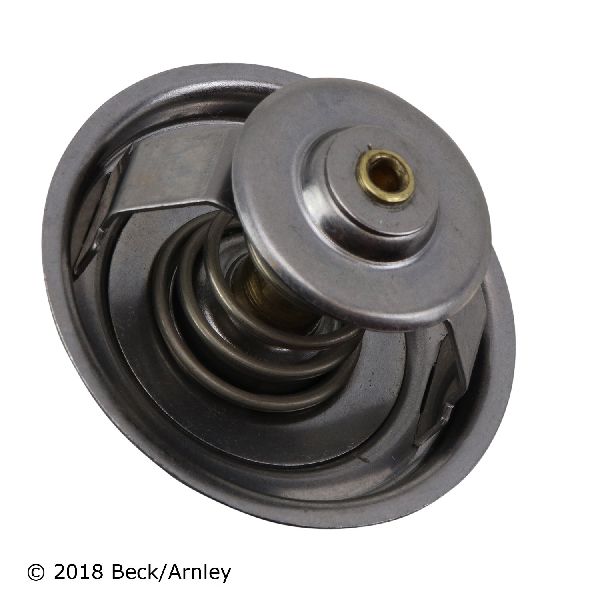
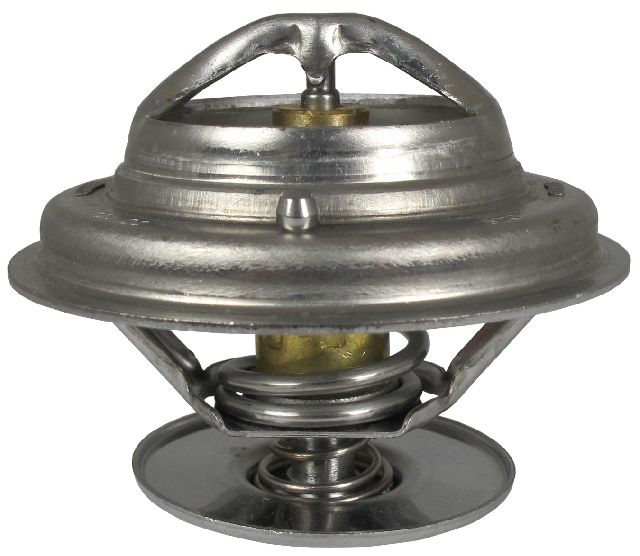
| Tier 2: Reputable Aftermarket | Stant, Beck Arnley | Generally reliable brands, but some reports suggest Stant quality has changed since being acquired by Motorad. A reasonable choice for a V8, but a Tier 1 part is still safer for a V6 timing belt job. |
| Tier 3: Budget Options | Motorad, URO Parts | Reviews for these brands are mixed, with some reports of premature failure. While a URO Parts aluminum housing is a good upgrade over the OEM plastic one, using their thermostat is a significant risk on a V6 engine due to the labor involved. Avoid for V6 models. |
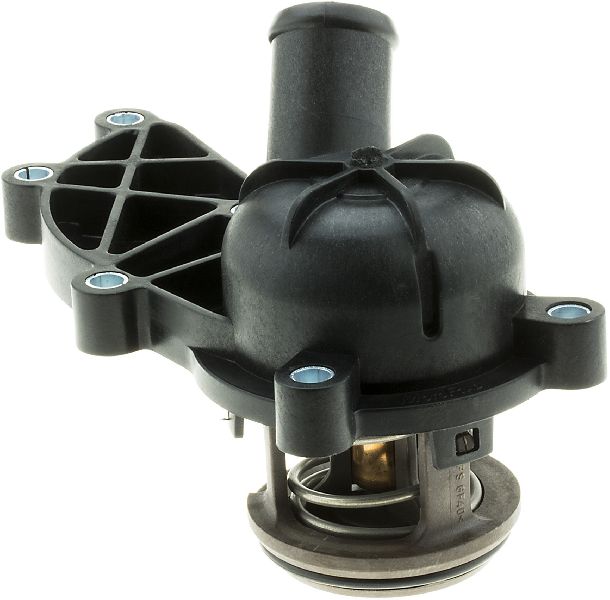
The original thermostat housing on many of these engines is plastic and prone to cracking. Aftermarket aluminum housings are available and are a highly recommended upgrade for long-term durability, especially when performing a timing belt service.
Frequently Asked Questions (FAQ)
Why is the replacement cost so high for my V6 A6?
The high cost is due to labor, not the part. The thermostat is located behind the timing belt, requiring a mechanic to disassemble the entire front of the engine for access. This job takes several hours.
Can I just replace the thermostat and not the timing belt on my V6?
You can, but it is not recommended. The labor to get to the thermostat is the same as the labor for a full timing belt service. Since the timing belt is a critical wear item, replacing it while the engine is already apart saves you from paying for the same expensive labor again in the near future.
Is an OEM thermostat really better than aftermarket?
For this specific job, yes. High-quality aftermarket brands like Mahle or Behr are excellent, as they are often the OEM supplier. However, user tests have shown that even some good aftermarket thermostats may not perform identically to the Audi-branded part. Given the difficulty of the replacement on V6 models, paying a little extra for the guaranteed performance of an OEM or OEM-supplier part is a wise investment.
What coolant should I use for my 1995-2005 A6 Quattro?
Always use a phosphate-free, silicate-free G12 or G13 equivalent coolant. Using the wrong type of coolant can cause corrosion and damage to the cooling system components. Always top off or refill with the same type of coolant that is already in the system.
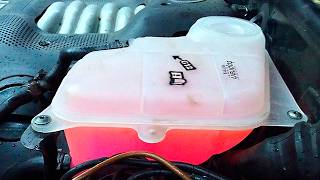
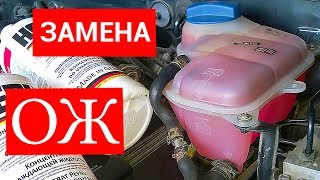
🎬 Watch: How to correctly flush and replace coolant on VAG carsHelpful Videos



Technical Specifications
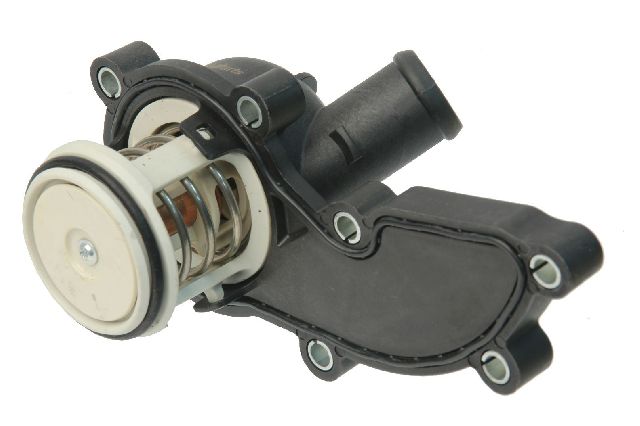
OEM Part Numbers: 078121113F
Common opening temperature: 87° Celsius (190° Fahrenheit). Some models may use an 88°C or 92°C thermostat. Always verify the correct temperature for your specific engine.
We Have This Part in Stock


The information in this article is provided for general reference and educational purposes only. Vehicle specifications, procedures, and part compatibility can vary by production date, trim level, and region. Always consult your vehicle's factory service manual and verify part numbers before purchasing or performing repairs. Safety-critical components such as airbags, seat belts, and braking systems should be installed by a qualified professional.
- Audi A6 Quattro: