

A Guide to Spark Plugs for the 1995-2006 Volkswagen Passat
Keep your Passat's engine running strong by understanding its specific spark plug needs.
- Stick to OEM brands like NGK and Bosch for the best compatibility and performance.
- Spark plug choice is engine-specific; verify the correct part for your 1.8T, V6, or W8 engine.
- Symptoms of bad plugs (misfires, rough idle) are identical to failing ignition coils, a known issue on these models.
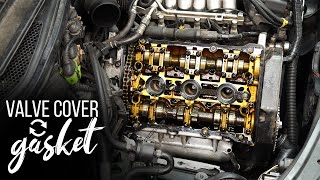
- When replacing plugs, check for oil leaks from the valve cover gasket, a common problem that can foul new plugs.
Signs of Failing Spark Plugs in Your Passat


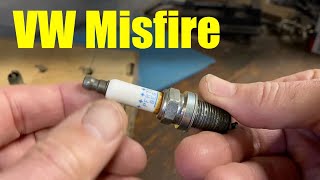
When spark plugs wear out, they can cause noticeable problems. A worn plug can't ignite the fuel mixture effectively, leading to what's called a misfire. This can make your check engine light come on, often with codes like P0300 (random misfire) or P0301-P0306 for specific cylinders.
Common symptoms you might experience include:
- Rough Idling: Your car may shake or vibrate more than usual when stopped.
- Hesitation or Sluggish Acceleration: The car feels weak or slow to respond when you press the gas pedal.
- Difficulty Starting: The engine takes longer to turn over, especially on cold mornings.
- Reduced Fuel Economy: You may find yourself filling up the gas tank more often than before.
A Note on Ignition Coils
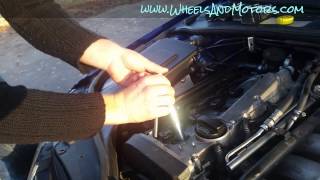
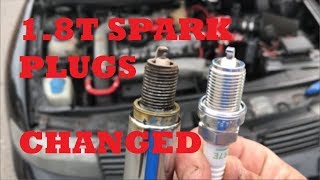
The 1995-2006 Passat, particularly models with the 1.8T engine, uses a coil-on-plug ignition system. The ignition coils sit directly on top of the spark plugs. These coils can also fail, causing the exact same symptoms as a bad spark plug. In fact, NHTSA investigated reports of ignition coil failures leading to engine bay fires in 2000-2007 Passats, though no official recall was issued. If you are replacing spark plugs due to a misfire, it's wise to inspect the ignition coils and their connectors 🎬 Watch: How to replace spark plugs and ignition coils on 1.8T engines. for damage at the same time.
Choosing the Right Aftermarket Spark Plugs

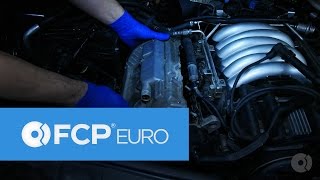
The correct spark plug for your Passat depends entirely on which engine you have. The 1995-2006 models offered several options, including the 1.8L Turbo, 2.8L V6, and 4.0L W8. 🎬 See this step-by-step spark plug replacement for the 2.8L V6 engine. Always confirm the required plug for your specific engine before buying.
For Volkswagen, sticking with OEM-equivalent brands is highly recommended for reliability and performance.
Brand Quality Tiers
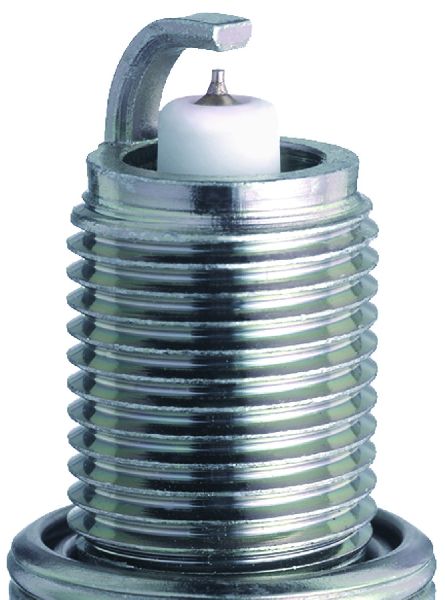
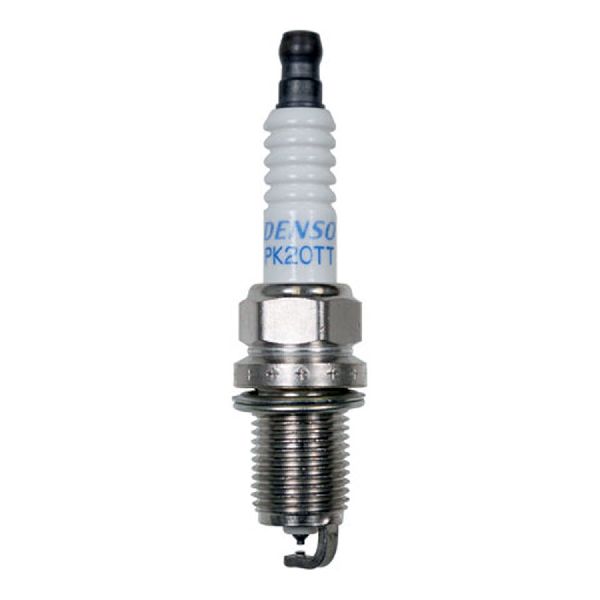
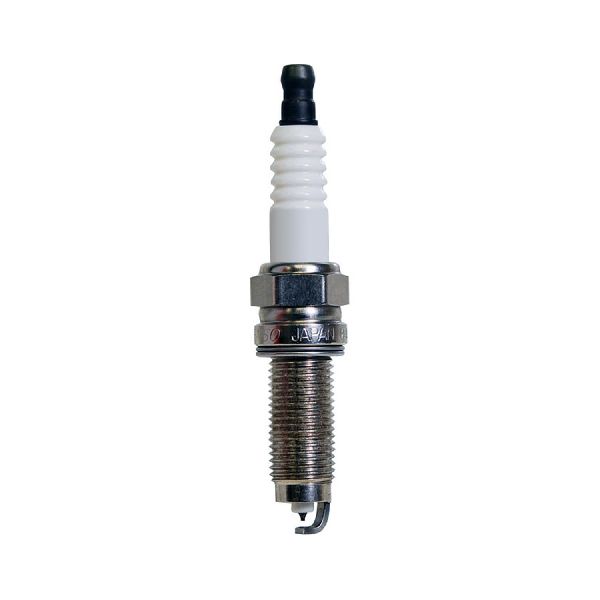
- Top Tier (OEM-Equivalent): NGK and Bosch are the original equipment manufacturers for Volkswagen. Choosing plugs from these brands is the safest bet for stock vehicles. They are engineered to meet the specific requirements of your Passat's engine. Denso is another high-quality Japanese brand that offers excellent alternatives.
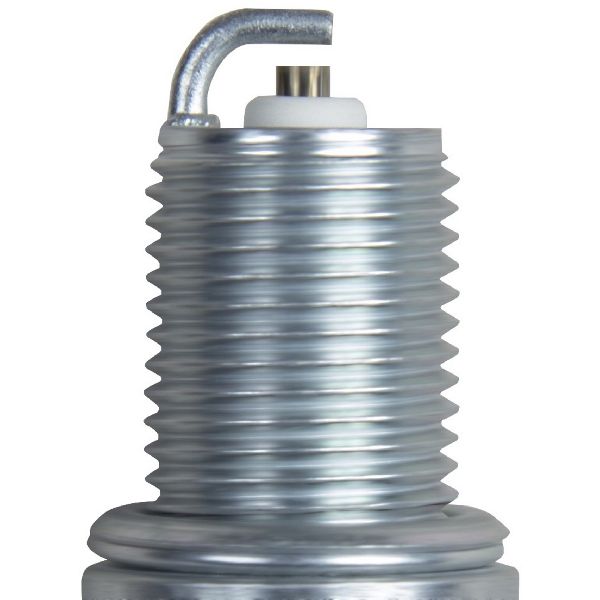
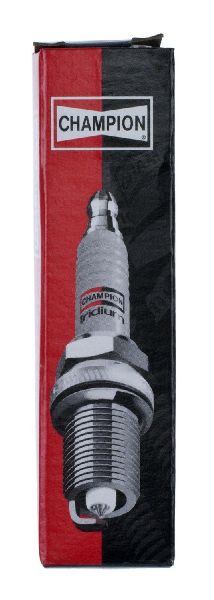
- Reliable Mid-Range: Brands like Autolite and Champion offer dependable spark plugs that can be a good budget-friendly option. They have a long history of producing quality ignition components.
- Performance & Other Brands: Accel and MSD are geared more towards high-performance and modified engines. For a stock daily-driven Passat, they are generally not necessary. Brands like ACDelco and Skyward are also available, but NGK and Bosch remain the most trusted choices for these specific vehicles.
Iridium vs. Platinum Plugs
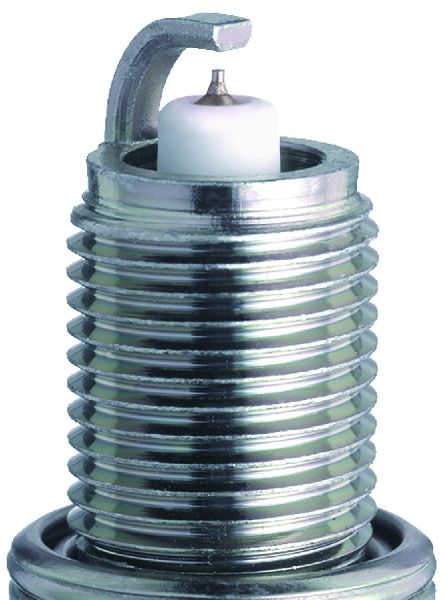
Most modern replacement plugs for the Passat are either Iridium or Platinum. Iridium is a harder, more durable material than platinum, offering a longer service life and more consistent performance. Double platinum plugs are also a great long-life option. For turbocharged engines like the 1.8T, using the recommended Iridium or Platinum plug is especially important for longevity and performance.
| Brand Tier | Typical Price Range |
|---|---|
| Top Tier (NGK, Bosch, Denso) | $8 - $20 |
| Mid-Range (Autolite, Champion) | $4 - $10 |
| Basic Copper (where applicable) | $3 - $5 |
Note: Prices are estimates and can vary based on material (Iridium, Platinum, Copper) and retailer. Your Passat will require 4, 6, or 8 plugs depending on the engine.
Frequently Asked Questions

How often should I replace the spark plugs on my Passat?
Replacement intervals vary by engine and plug type. For platinum or iridium plugs, a general guideline is every 40,000 to 60,000 miles. However, you should always consult your owner's manual for the specific maintenance schedule for your vehicle.
Do I need to gap the spark plugs for my Passat?
Most high-quality spark plugs from brands like NGK and Bosch come pre-gapped for your specific vehicle. While it's a good practice to double-check the gap with a feeler gauge, you should not attempt to adjust the gap on fine-wire iridium or platinum plugs, as you can easily damage the delicate electrode.
What happens if I find oil on my old spark plugs?
Finding oil in the spark plug wells or on the plug threads is a common issue. It indicates that the valve cover gasket or the spark plug tube seals are leaking. This leak must be repaired to prevent the new spark plugs from becoming fouled with oil, which would lead to misfires.
🎬 Learn how to replace a leaking valve cover gasket on your Passat.Should I use anti-seize on the new spark plug threads?
Major manufacturers like NGK advise against using anti-seize on their modern plugs. Their plugs have a special trivalent metal plating that provides anti-corrosion and anti-seizing properties. Using additional anti-seize can lead to over-torquing the plug, which can damage the threads in the cylinder head.
Helpful Videos
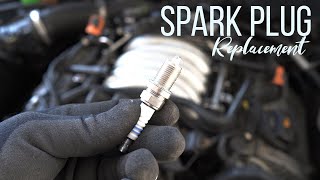
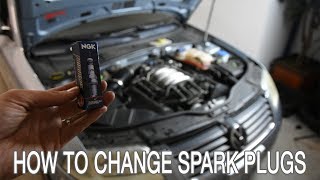
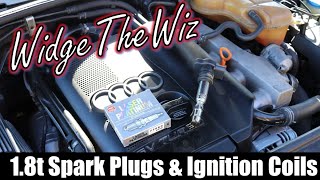
Technical Specifications
OEM Part Numbers: 101000063AA 101905622 101905600C 06K905601D
The 1995-2006 Passat uses a coil-on-plug system. Most engines require platinum or iridium spark plugs. Torque specifications are critical and typically range from 22-25 Nm (around 16-18 ft-lbs), but always verify the spec for your specific engine and plug combination.
We Have This Part in Stock

The information in this article is provided for general reference and educational purposes only. Vehicle specifications, procedures, and part compatibility can vary by production date, trim level, and region. Always consult your vehicle's factory service manual and verify part numbers before purchasing or performing repairs. Safety-critical components such as airbags, seat belts, and braking systems should be installed by a qualified professional.
- Volkswagen Passat: