

Your In-Depth Guide to 1995-2010 Chrysler Sebring Steering Tie Rod Ends
Fix your Sebring's sloppy steering and uneven tire wear by choosing the correct replacement tie rod end.
- A wheel alignment is mandatory after replacing any tie rod end to prevent rapid tire wear and ensure safety.
- Replacing tie rods in pairs (left and right) is highly recommended for balanced steering performance.
- Premium brands like Moog and Mevotech often feature grease fittings, which can extend the part's life if serviced.
- You must identify whether you need an inner or an outer tie rod end before purchasing the part.
Symptoms of a Bad Tie Rod End on a Chrysler Sebring
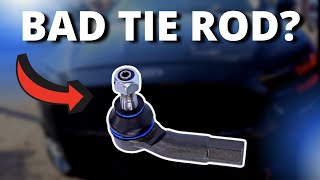
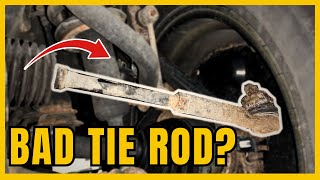
A failing tie rod end on your 1995-2010 Sebring will give you clear warning signs. The most common is a clunking or popping sound coming from the front end, especially during low-speed turns. You may also feel this clunk through the steering wheel. Another major symptom is a loose or sloppy feeling in the steering, where you have to constantly make small corrections to keep the car driving straight. Finally, check your front tires. A bad tie rod end will cause the inside or outside edge of a tire to wear down much faster than the rest of the tread, a condition known as feathering.
🎬 Watch: 5 common symptoms of a failing tie rodChoosing the Right Aftermarket Tie Rod End
Unlike some parts, aftermarket tie rod ends for the Sebring are plentiful and often meet or exceed original equipment (OEM) quality. The key is to choose a brand that matches your budget and quality expectations. OEM parts are available from Mopar, but are often significantly more expensive without offering a significant performance benefit for this component.
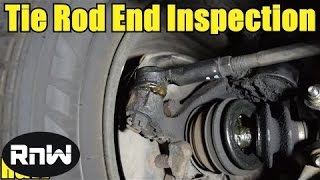
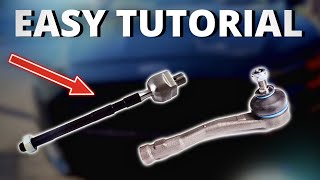
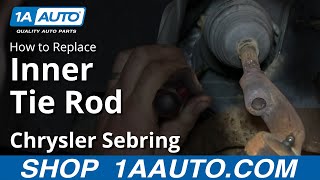
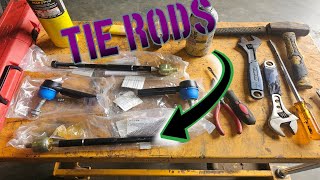
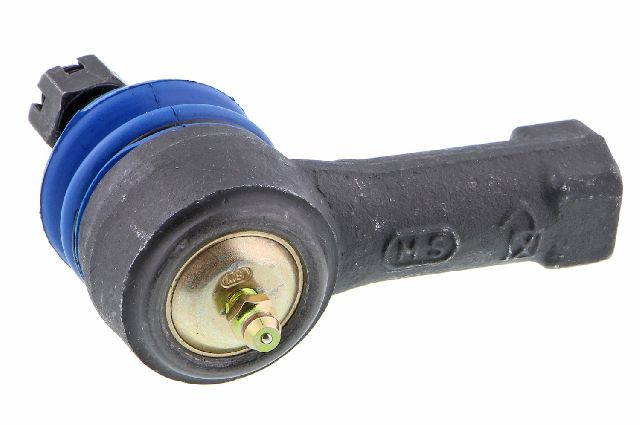
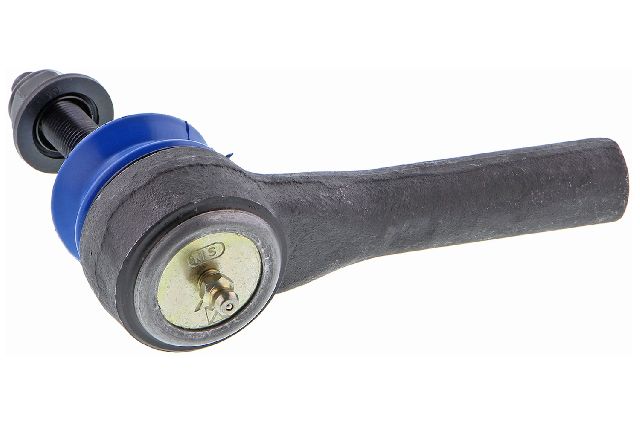
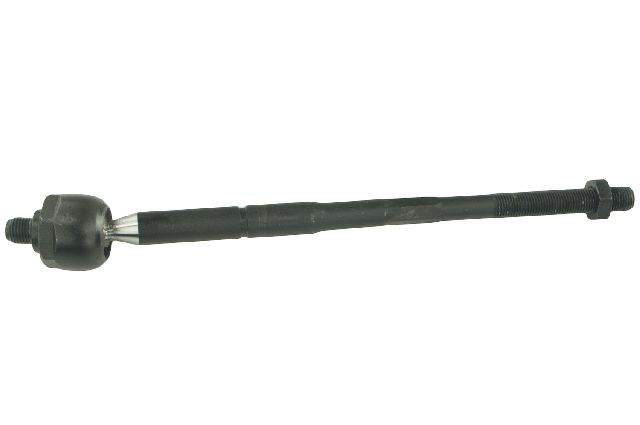
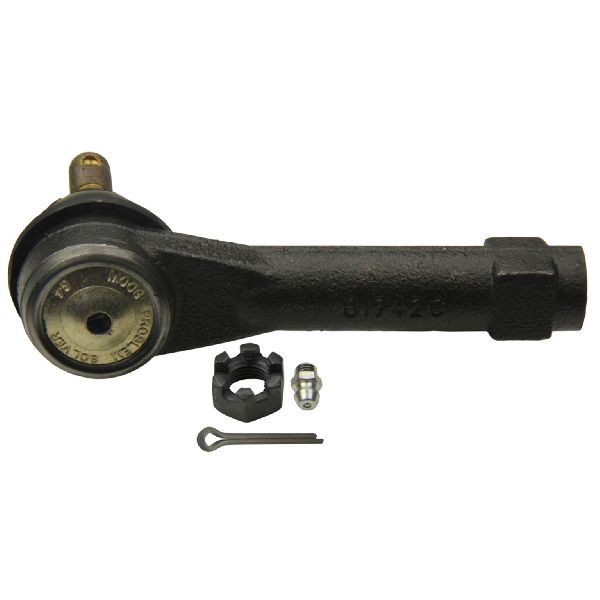
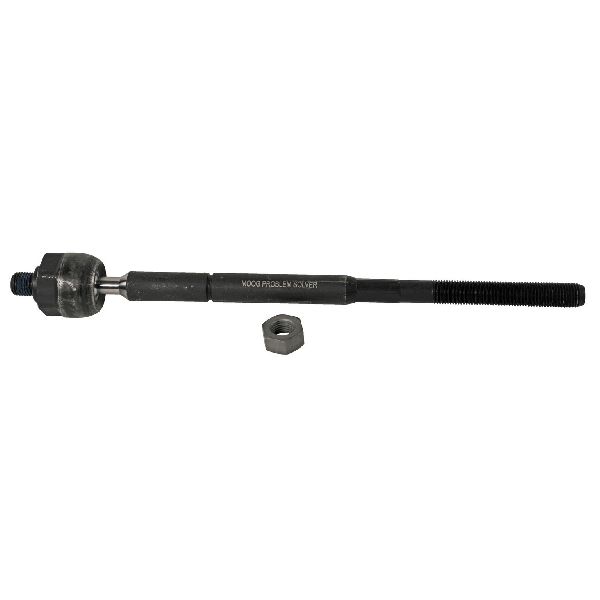
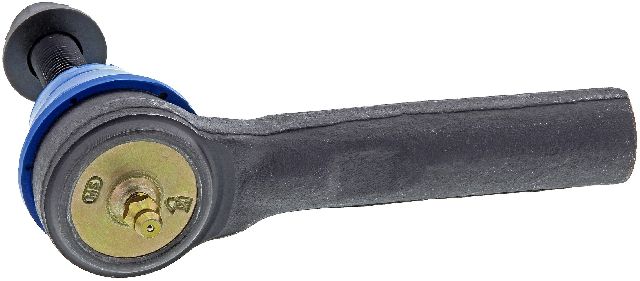
Before ordering, you must confirm if you need the inner tie rod end (connects to the steering rack under a protective boot) or the outer tie rod end (connects to the wheel's steering knuckle). They are different parts. A mechanic can diagnose which is failing, or you can check for play yourself by jacking up the front of the car and shaking the wheel at the 3 and 9 o'clock positions. 🎬 See how to inspect and test your tie rod ends
Brand Quality Tiers
- Premium Brands (Moog, Mevotech Supreme, Delphi, ACDelco Professional): These brands are generally considered top-tier. Moog and Mevotech often engineer their parts to be stronger than the original, sometimes including features like grease fittings which allow you to extend the part's life with regular maintenance. While Moog has been a long-time favorite, some users in forums report that Mevotech's premium lines are now of equal or better quality. Delphi and ACDelco Professional are also trusted names known for high-quality, durable components.
- Standard / OE-Style Brands (Dorman, Beck Arnley, QuickSteer): These brands aim to provide a direct replacement for the original part. Dorman is known for making widely available parts that are a cost-effective solution for daily drivers. Beck Arnley is known for providing parts that closely match the original equipment form and function. QuickSteer is another solid standard replacement option.
- Economy Brands (MAS Industries, Suspensia, other private labels): These are the most budget-friendly options. While they will fix the immediate problem, they may use less robust materials and manufacturing processes, potentially leading to a shorter lifespan compared to premium or standard brands. They are a viable option for a quick fix on a limited budget.
It is highly recommended to replace both the left and right outer tie rod ends at the same time. If one side has failed due to age and mileage, the other side is likely not far behind. Replacing them in pairs ensures a balanced and predictable steering feel.
Estimated Costs for Replacement
| Part / Service | Estimated Cost |
|---|---|
| Premium Aftermarket Tie Rod End (1) | $40 - $77 |
| Standard Aftermarket Tie Rod End (1) | $25 - $45 |
| Economy Aftermarket Tie Rod End (1) | $15 - $30 |
| Shop Labor (per side) | $100 - $180 |
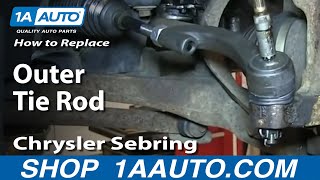
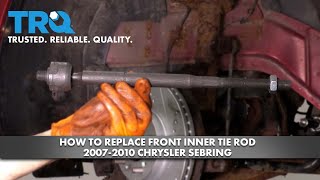
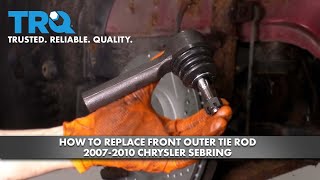
| Mandatory Wheel Alignment 🎬 Watch: Step-by-step outer tie rod replacement for 2007-2010 models | $80 - $150 |
Frequently Asked Questions (FAQ)
Do I really need a wheel alignment after replacing a tie rod end?
Yes, absolutely. An alignment is not optional. Replacing a tie rod end, even if you carefully count the threads, will change your vehicle's toe alignment. Skipping the alignment will cause extremely rapid tire wear and can make the vehicle handle unpredictably. Factor the cost of an alignment into your budget for this repair.
How can I tell if my inner or outer tie rod is bad?
With the front wheel safely off the ground, grab the tire at the 3 and 9 o'clock positions and shake it. If you feel play or hear a clunk, have a helper watch the outer tie rod end as you shake it. If the play is visible at the outer joint, the outer tie rod is bad. If the outer joint is solid but you can see the inner tie rod shaft moving before the steering rack does (under the boot), the inner tie rod is bad.
Were there any recalls for Sebring tie rods?
No. Searches of the NHTSA database did not show any safety recalls specifically for tie rod ends on the 1995-2010 Chrysler Sebring. There were some recalls and investigations related to other steering components like power steering hoses on certain model years, but not the tie rods themselves.
How long should a new tie rod end last?
Longevity depends on the quality of the part and driving conditions. A premium aftermarket part from a brand like Moog or Mevotech can last 50,000 to 100,000 miles or more, especially if it has a grease fitting that is serviced regularly. An economy part may last significantly less time. Rough roads, potholes, and impacts will shorten the life of any steering component.
Helpful Videos

Technical Specifications
OEM part numbers vary significantly across the 1995-2010 year range and between sedan/convertible/coupe models. It is critical to verify the correct part for your specific vehicle using its VIN. Key specifications include inner vs. outer, thread pitch, and overall length, which differ between generations.
We Have This Part in Stock

The information in this article is provided for general reference and educational purposes only. Vehicle specifications, procedures, and part compatibility can vary by production date, trim level, and region. Always consult your vehicle's factory service manual and verify part numbers before purchasing or performing repairs. Safety-critical components such as airbags, seat belts, and braking systems should be installed by a qualified professional.
- Chrysler Sebring: