

Engine Coolant Temperature Sensor Guide for the 1996-2000 Buick LeSabre
Is your Buick LeSabre running rough, getting poor gas mileage, or overheating? Your Engine Coolant Temperature sensor could be the problem.
- Always inspect the wiring connector first; a bad pigtail can mimic a failed sensor.
- A failing sensor can cause overheating, which can lead to critical engine damage.
- For best results, choose a premium aftermarket brand like ACDelco, Delphi, or NGK.
- After replacement, you must top off the coolant and properly bleed any air from the cooling system.
Is My Engine Coolant Temperature Sensor Failing?
A bad ECT sensor can make your reliable Buick LeSabre act up in several ways. The car's computer relies on this sensor's reading to run the engine efficiently. When the signal is wrong, it can cause a chain reaction of problems. 🎬 Watch: 8 common symptoms of a failing coolant sensor. Often, the first thing you'll notice is the Check Engine Light on your dashboard.
Common Symptoms of a Bad ECT Sensor:
- Poor Fuel Economy: If the sensor wrongly tells the computer the engine is cold, the computer will inject extra fuel, wasting gas.
- Black Smoke from Tailpipe: That extra, unneeded fuel doesn't burn completely and comes out as black smoke.
- Engine Overheating: If the sensor fails to report that the engine is hot, the cooling fans may not turn on when needed, causing the engine to overheat.
- Rough Idle or Stalling: The wrong fuel mixture and ignition timing can make your engine run poorly, especially when idling.
- Hard Starting: The engine needs a specific fuel mixture to start easily, especially when cold. A bad sensor can prevent this.
Choosing the Right Aftermarket Sensor
For a 1996-2000 Buick LeSabre, you don't necessarily need to go to the dealer for this part. High-quality aftermarket brands offer excellent value. However, there is a difference in quality between brands.
Brand Quality Tiers
- OEM & Premium Aftermarket (ACDelco, Delphi, NGK/NTK): ACDelco is the original GM parts brand. Delphi was often the actual manufacturer for GM, so their parts are typically identical to ACDelco. NGK (also sold as NTK) is another top-tier brand known for sensor quality. Choosing one of these brands gives you the highest chance of a part that fits and reads accurately right out of the box.
- Trusted Mid-Grade (Standard Ignition, Beck Arnley, Holstein): Brands like Standard Motor Products (SMP) have a long reputation for reliable aftermarket parts and sometimes even include a new connector pigtail in the box. These are solid choices that balance cost and quality.
- Value Brands (Facet, Four Seasons, Walker, etc.): These are the most budget-friendly options. While tempting, be aware that some owners report these cheaper sensors failing prematurely or not reading temperatures accurately. This can lead to continued performance issues, forcing you to do the job twice.
Engine Coolant Temperature Sensor Costs
| Part Type | Estimated Cost |
|---|---|
| New Aftermarket Sensor | $12.58 - $50.04 |
| New OEM (ACDelco) | $40 - $55 |
| Shop Labor | $75 - $150 |
Cost estimates are for the part only and do not include taxes or shipping. Labor costs are estimated based on a 0.5-1.0 hour job at typical independent shop rates.
Frequently Asked Questions (FAQ)
Where is the ECT sensor located on a 1996-2000 LeSabre?
The sensor is on the driver's side of the engine, threaded into the lower intake manifold, near the thermostat housing. It's located below the thermostat and can be a little tight to reach.
Can I replace this sensor myself?
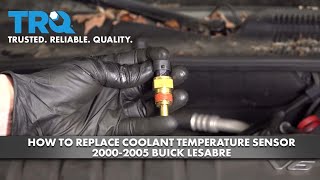
Yes, this is a very DIY-friendly job for someone with basic tools. You will need 🎬 Watch this step-by-step guide to replacing the sensor yourself. to let the engine cool completely, drain a small amount of coolant, and have a 19mm deep socket or wrench. The main challenges are reaching the sensor and carefully unplugging the electrical connector without breaking it.
What happens if I don't replace a bad ECT sensor?
You will continue to have issues like poor fuel economy, rough running, and a lit check engine light. The most serious risk is the engine overheating if the sensor fails to trigger the cooling fans, which could lead to severe engine damage.
Do I need to drain all the coolant to change the sensor?
No, you don't need to drain the entire system. However, you must drain the coolant level to below the sensor's location to avoid a large spill when you remove it. You can do this by opening the radiator's petcock at the bottom. Always have a drain pan ready.
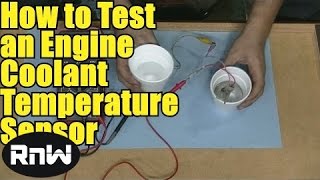
Helpful Videos
Technical Specifications
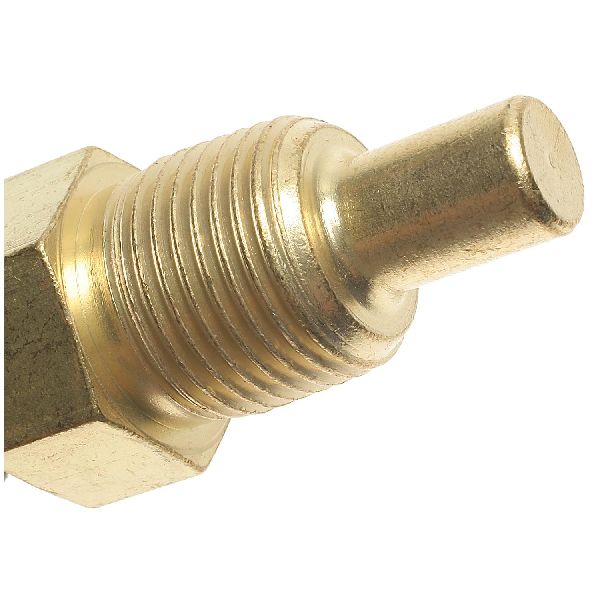
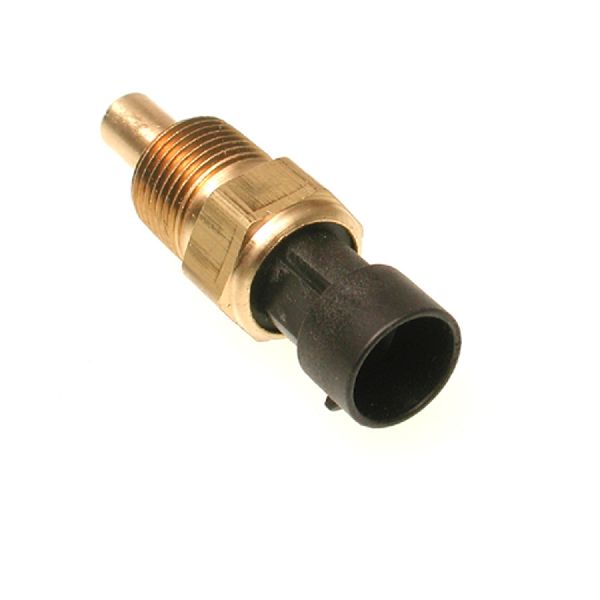
OEM Part Numbers: 19236568 213-4514
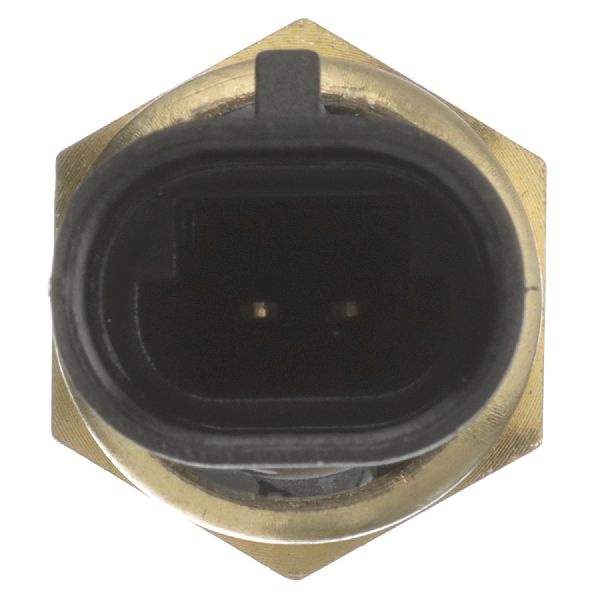
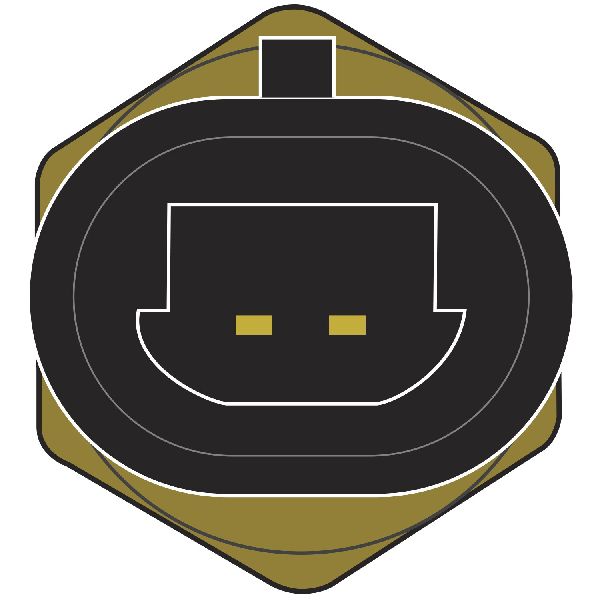
2-Pin Connector, 19mm Hex Size
We Have This Part in Stock


The information in this article is provided for general reference and educational purposes only. Vehicle specifications, procedures, and part compatibility can vary by production date, trim level, and region. Always consult your vehicle's factory service manual and verify part numbers before purchasing or performing repairs. Safety-critical components such as airbags, seat belts, and braking systems should be installed by a qualified professional.
- Buick LeSabre: