

Chevrolet Express 2500 Brake Caliper Guide: 1996-2000
Everything you need to know about choosing the right replacement brake calipers for your heavy-duty van.
- The most common caliper failure on these vans is seizing due to corrosion, causing pulling, dragging, and overheating.
- It is critical to replace calipers in pairs (both fronts or both rears) to maintain balanced and safe braking.
- New aftermarket calipers from brands like Raybestos or Centric offer excellent value and reliability over remanufactured units for this vehicle.
- Brake bleeding is a mandatory step after replacement to ensure all air is removed from the hydraulic system.
Is Your Express Van's Brake Caliper Failing?
Brake calipers on a heavy work van like the Express 2500 can fail from age, corrosion, and heat. The most common failure is a seized or sticking caliper piston or slide pins. This happens when rust and debris build up, or when old brake fluid allows corrosion inside the caliper. A stuck caliper can keep the brakes partially applied, causing serious damage and safety issues.
Key Failure Symptoms:
- Vehicle Pulling to One Side: When you brake, the van pulls sharply to the left or right. This can also happen while driving if a caliper is seized.
- Dragging Sensation: It feels like something is holding the van back, and you may get poor fuel economy. This is a sign a caliper isn't releasing the brake pad from the rotor.
- Burning Smell: A hot, acrid smell from one of the wheels after driving indicates a dragging brake is overheating.
- Brake Fluid Leaks: Puddles of clear or brownish fluid near a wheel are a sign of a failed caliper seal.
- Spongy Brake Pedal: If a caliper is leaking, air can get into the system, making the pedal feel soft.
- Loud Noises: Squealing or grinding sounds, especially when you are *not* braking, can mean a caliper is stuck.
Safety First: Do Not Ignore a Bad Caliper
A failing brake caliper is a critical safety issue. It can lead to longer stopping distances, total brake failure at a wheel, or overheating that damages other brake parts. It is not safe to continue driving with a known bad caliper.
Choosing the Right Aftermarket Caliper
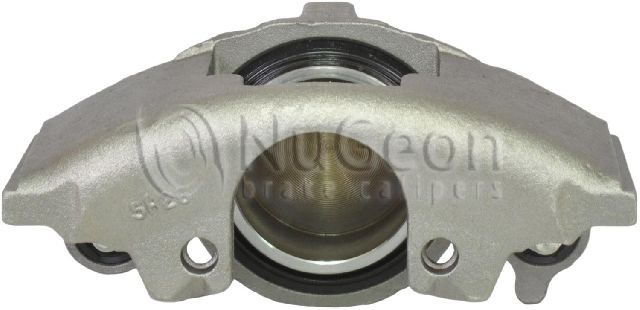
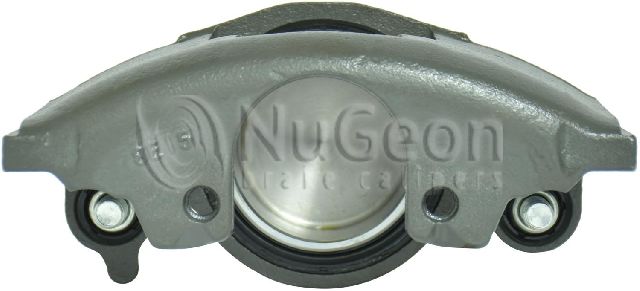
For a 1996-2000 Express 2500, aftermarket calipers are the most common and practical choice. They come in two main types: remanufactured and new. Most calipers for this van are made of cast iron and feature large pistons to handle the vehicle's weight.
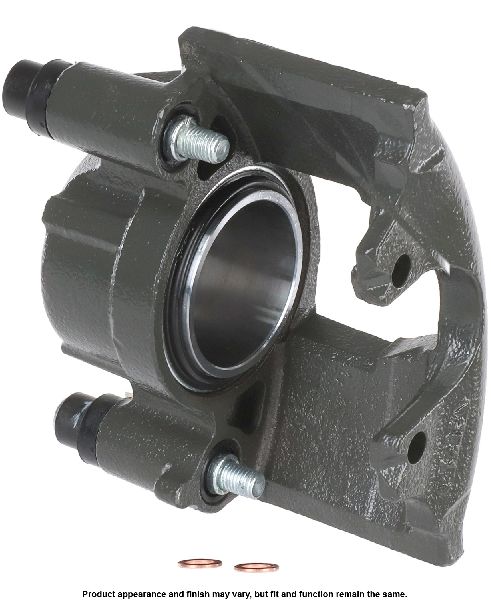
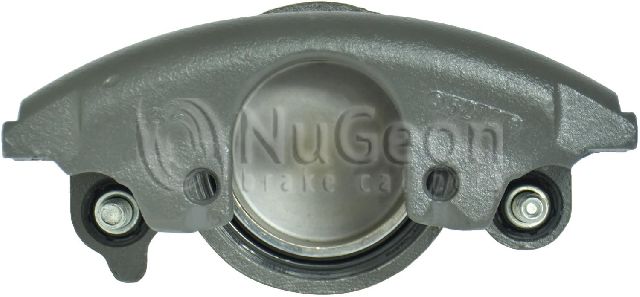
- Remanufactured Calipers: These are original (OEM) caliper cores that have been disassembled, cleaned, and rebuilt with new seals, boots, and bleeder screws. Brands like Cardone and BBB Industries are major suppliers. They are often the most affordable option but quality can sometimes be inconsistent.
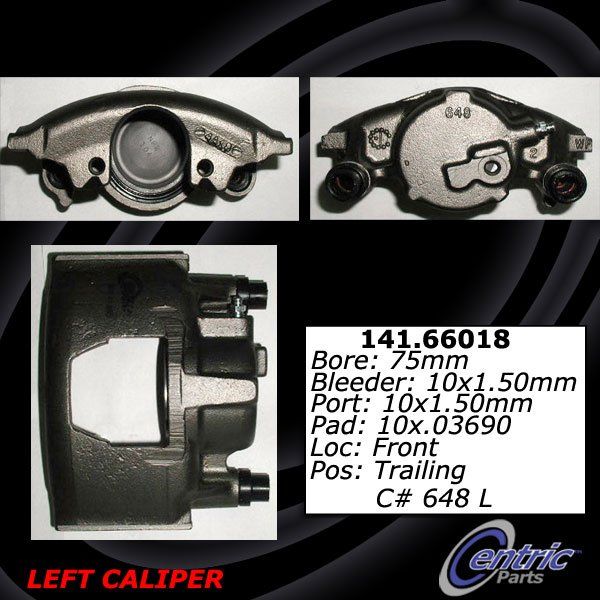
- New Aftermarket Calipers: These are built from 100% new components and require no core charge. Brands like Raybestos, Centric, and Dynamic Friction offer new calipers that meet or exceed original specifications. ACDelco's Professional line often consists of new calipers made by manufacturers like Raybestos.
- Heavy-Duty & Performance Calipers: Brands like Powerstop offer calipers, often in kits, that are designed for severe use. They may feature powder coatings for corrosion resistance and high-temperature seals, making them a good choice if you frequently tow or carry maximum loads.
Pro Tip: New vs. Remanufactured
While remanufactured calipers are budget-friendly, new calipers from a quality brand like Raybestos or Centric often provide better peace of mind and longevity for a small increase in price. Since there is no core charge, the process is also simpler. For a work vehicle, investing in new calipers is often worth it.
Estimated Costs for Caliper Replacement
| Part Type | Estimated Cost (Per Caliper) |
|---|---|
| New Aftermarket | $30 - $120 |
| Remanufactured Aftermarket | $30 - $80 (plus core charge) |
| Shop Labor | $150 - $275 |
Note: Costs are estimates and can vary by location and supplier. It is highly recommended to replace calipers in pairs (both front or both rear) to ensure even braking.
Frequently Asked Questions
Should I replace brake calipers in pairs?
Yes. It is always recommended to replace calipers on the same axle at the same time. This ensures balanced braking performance and prevents the vehicle from pulling to one side. An old caliper will not react the same as a new one.
What's the difference between phenolic and steel pistons?
Phenolic (a type of plastic resin) pistons are common and resist corrosion and heat transfer back into the brake fluid. Steel pistons are stronger but can rust over time if moisture gets past the seals. For most uses on an Express van, either type is acceptable, but phenolic pistons are less likely to seize from corrosion.
Do I need to bleed the brakes after replacing a caliper?
Yes, absolutely. Whenever you disconnect a brake line, air enters the system. You must bleed the brake system to remove all air bubbles, or the brake pedal will feel spongy and braking will be unsafe. Start with the wheel furthest from the master cylinder (typically the rear passenger side).
Are there any recalls for my van's calipers?
Searches of the NHTSA database and other sources did not show any specific brake caliper recalls for the 1996-2000 Chevrolet Express 2500. There was a large GM recall in the 1990s for ABS control issues, but this did not involve the calipers themselves.
Technical Specifications
The 1996-2000 Chevrolet Express 2500 uses a floating caliper design with either single or dual pistons, typically made of cast iron. Front calipers for models with a GVWR of 7,700 to 8,600 lbs may have a piston bore size around 3.15 inches. It is essential to verify the specific configuration (piston material, GVWR) for your van before ordering.
We Have This Part in Stock

The information in this article is provided for general reference and educational purposes only. Vehicle specifications, procedures, and part compatibility can vary by production date, trim level, and region. Always consult your vehicle's factory service manual and verify part numbers before purchasing or performing repairs. Safety-critical components such as airbags, seat belts, and braking systems should be installed by a qualified professional.
- Chevrolet Express 2500: