

Ford Ranger Radiator Coolant Hose Guide (1996-2000)
Keep your Ranger's engine cool by understanding how to choose the right replacement radiator hose.
- Inspect hoses for leaks, bulges, or soft spots at every oil change.
- If one hose is bad, replace both the upper and lower hoses at the same time.
- Gates and Dayco are reputable aftermarket brands; Gates is often preferred for fitment.
- Consider replacing the original spring clamps with new worm-gear screw clamps for a better seal.
Signs of a Failing Radiator Hose
The radiator hoses on your 1996-2000 Ford Ranger are wear items. After years of heat and pressure, the rubber breaks down. You should inspect them at every oil change. Catching a bad hose early can save you from being stranded.
- Coolant Leaks: This is the most obvious sign. You might see puddles of green, orange, or pink fluid under the front of your truck. Leaks often start at the connection points to the radiator or engine. A common leak area on these Rangers is where the hose connects to the plastic inlet/outlet on the radiator.
- Visible Damage: Look for cracks, splits, or fraying on the hose surface.
- Bulging or Swelling: If a hose looks swollen, it's a sign the internal structure has failed. It could burst at any time.
- Spongy or Soft Spots: When the engine is cool, squeeze the hoses. If they feel mushy, soft, or overly pliable, the rubber is breaking down from the inside. This can be caused by a process called electrochemical degradation (ECD).
- Engine Overheating: If your temperature gauge suddenly climbs into the red, a collapsed or burst radiator hose could be the cause.
Choosing the Right Aftermarket Hose
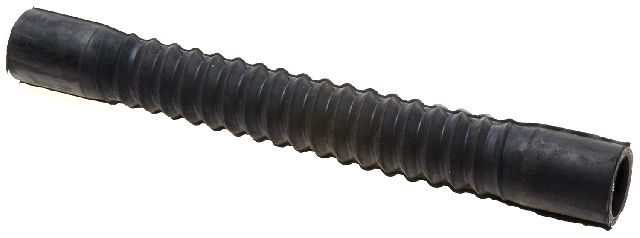
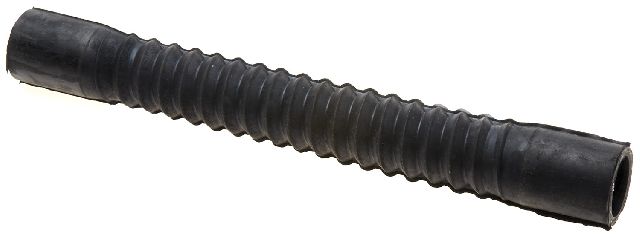
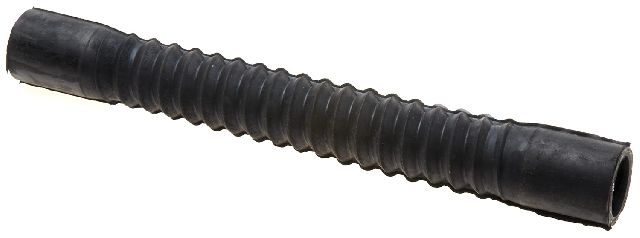
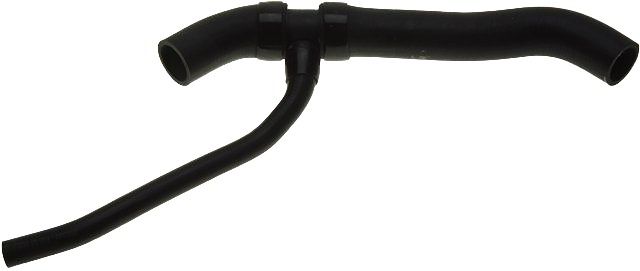
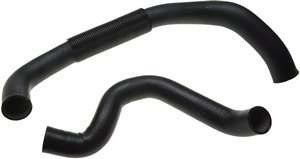
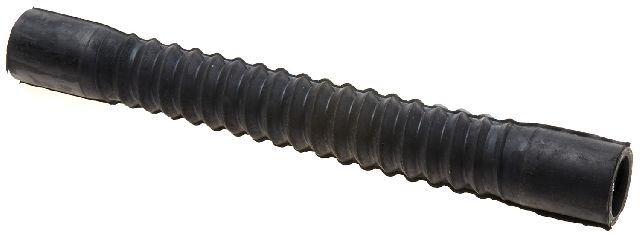
For a 1996-2000 Ranger, the original factory (OEM) hoses are often discontinued or hard to find. Aftermarket hoses from reputable brands offer quality that is often equal to the original. The key is choosing a molded hose, which is pre-shaped to fit your specific Ranger engine (2.3L, 3.0L, or 4.0L), rather than a universal flexible hose.
Here’s a breakdown of the common aftermarket brands:
- Gates: Widely considered a top-tier aftermarket brand by mechanics and Ranger owners. Gates hoses are known for excellent fitment and are engineered to resist electrochemical degradation, a primary cause of hose failure. Many NAPA-branded hoses are made by Gates.
- Dayco: A solid and popular choice. Some users note that Dayco hoses can feel thicker than other brands. While generally reliable, there are some reports from vehicle owners about occasional fitment issues compared to Gates, so it's wise to compare the new hose to your old one before installation.
- Continental (ContiTech): As a major supplier of parts to automakers, Continental makes high-quality hoses. While not as frequently discussed in Ranger forums as Gates or Dayco, they are a reliable choice if available for your truck.
Radiator Hose Replacement Cost
The cost to replace a radiator hose on your Ranger depends on whether you do it yourself or hire a shop. It's a common DIY job for those with basic tools.
| Item | Estimated Cost |
|---|---|
| New Aftermarket Hose (per hose) | $22 - $60 |
| New OEM Motorcraft Hose (per hose) | $25 - $40 |
| Shop Labor | $100 - $150 |
| Total (DIY, one hose + coolant) | $45 - $85 |
| Total (Shop, one hose) | $125 - $210 |
Frequently Asked Questions
Should I replace both radiator hoses at the same time?
Yes. If one hose has failed due to age, the other is likely not far behind. Replacing both at the same time is smart preventative maintenance and saves you from having to drain the cooling system twice.
Are there any recalls for 1996-2000 Ford Ranger radiator hoses?
No, there are no specific recalls or technical service bulletins (TSBs) from the NHTSA for radiator coolant hoses on the 1996-2000 Ford Ranger models.
How difficult is it to replace a radiator hose on a Ranger?
It is considered an easy repair for a DIYer. The process involves draining the radiator, removing the clamps, swapping the hose, reinstalling clamps, and refilling/bleeding the coolant. It typically takes about an hour.
What kind of coolant should I use in my 1996-2000 Ranger?
Always check your owner's manual. Generally, these Rangers used a traditional green IAT (Inorganic Acid Technology) coolant. Using the correct type is crucial for the health of your entire cooling system.
Technical Specifications
OEM Part Numbers: F87Z-8260-AA KM-3428
Hoses are engine-specific (2.3L I4, 3.0L V6, 4.0L V6). Material is typically EPDM rubber with synthetic reinforcement. Molded, direct-fit hoses are required.
We Have This Part in Stock

The information in this article is provided for general reference and educational purposes only. Vehicle specifications, procedures, and part compatibility can vary by production date, trim level, and region. Always consult your vehicle's factory service manual and verify part numbers before purchasing or performing repairs. Safety-critical components such as airbags, seat belts, and braking systems should be installed by a qualified professional.
- Ford Ranger: