

Chevrolet Express 1500 Differential Cover Guide: 1996-2002
A complete guide to replacing the rusty or leaking rear differential cover on your 1996-2002 Chevrolet Express 1500 van.
- The primary reason for failure on the Express 1500 is the stock steel cover rusting through; inspect yours for rust and leaks.
- For a durable, long-term solution, upgrade to a heavy-duty cast iron cover from a brand like Yukon Gear.
- If buying a standard replacement, choose one like Dorman that includes a drain plug to make future fluid changes much easier.
- Properly cleaning the axle housing's mating surface before installing the new cover is critical to prevent leaks.
Is Your Express Van's Differential Cover Leaking?
For 1996-2002 Chevrolet Express 1500 vans, the most common reason to replace the rear differential cover is simple: rust. The original factory cover is made of stamped steel, which is strong enough but very prone to corrosion over the years, especially in regions that use road salt in the winter. This rust can eventually create small holes, causing gear oil to weep or leak out. You might notice dark, thick fluid spots on your driveway or a constantly wet-looking differential housing.
Don't Ignore a Leak
A low gear oil level can lead to whining or grinding noises from the rear of the van. If the differential runs too low on oil, the gears can overheat and destroy themselves, leading to a very expensive repair. Addressing a cover leak is cheap insurance against catastrophic failure.
Choosing the Right Aftermarket Differential Cover
When shopping for a new differential cover, you have a few types of aftermarket options. The original GM part is a basic stamped steel cover, and many aftermarket parts are similar. However, aftermarket brands often provide significant upgrades for a similar price.
Tier 1: Heavy-Duty Upgrade
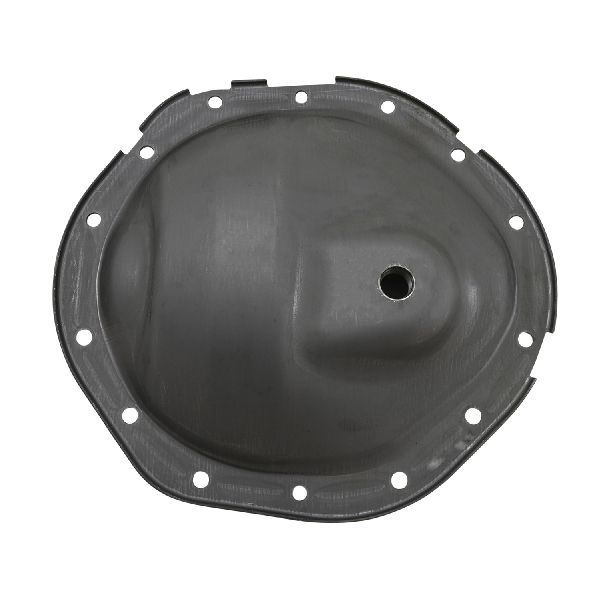
Brands like Yukon Gear offer covers made from thick, cast nodular iron. These are a major upgrade over the stock part. They are extremely resistant to rust and can withstand impacts from rocks and road debris that would puncture a standard cover. For a work van that sees heavy use or rough roads, a Yukon Gear cover is a “buy it once, fix it for life” solution that adds serious protection and peace of mind.
Tier 2: Standard Replacement with a Bonus
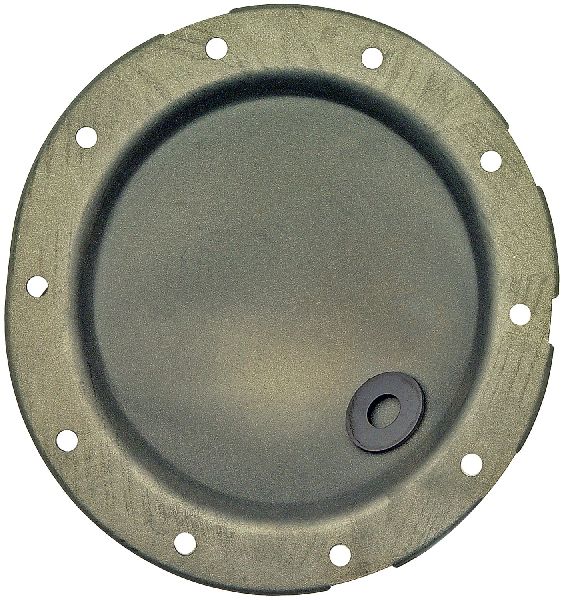
Brands like Dorman are the go-to for a reliable, direct replacement. While typically made from stamped steel like the original, many Dorman covers include a drain and/or fill plug. This is a huge advantage, as the original cover has no plug, forcing you to remove the entire cover just to change the gear oil. Choosing a cover with a drain plug makes future maintenance much easier.
Tier 3: Basic & Cosmetic Options
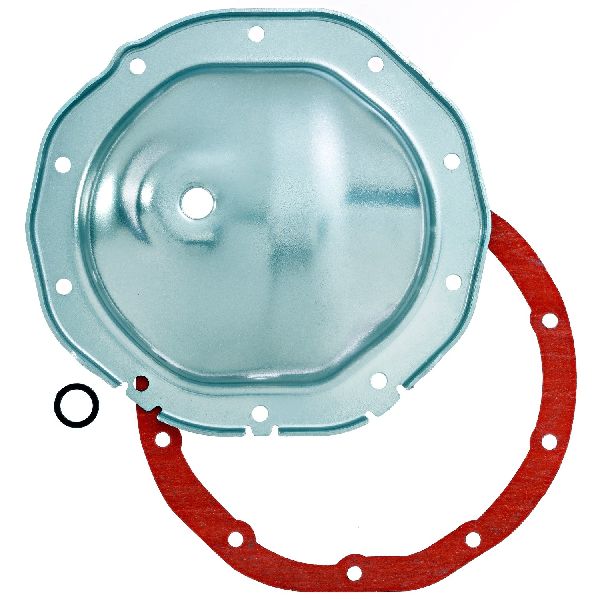
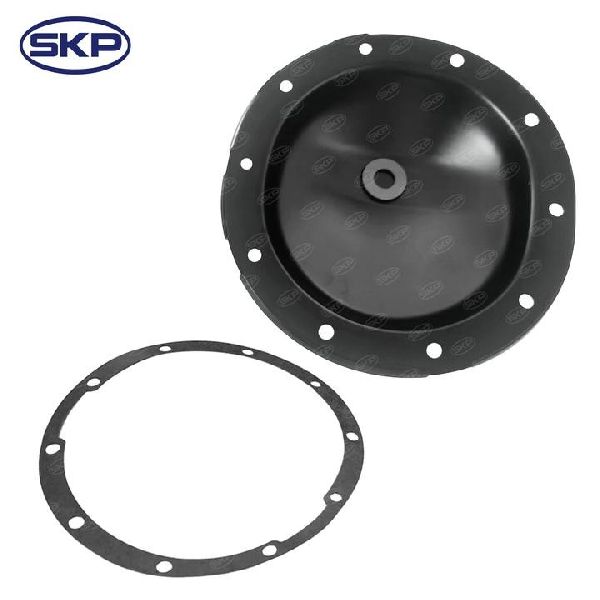
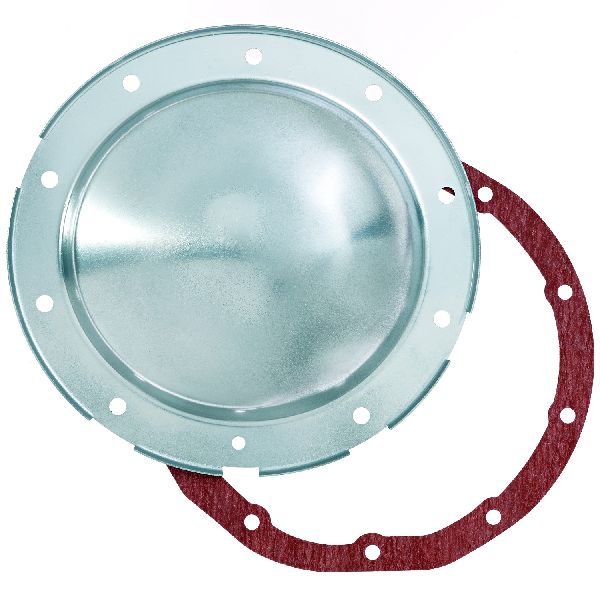
Brands like Replacement, Skyward, and Spectre offer functional, budget-friendly solutions. 'Replacement' branded parts are typically the most affordable way to fix a leak. Spectre often focuses on appearance, offering chrome-plated steel covers. While they look good, they offer the same level of protection as a standard steel cover and are still susceptible to damage.
Pro Tip: Gasket or RTV?
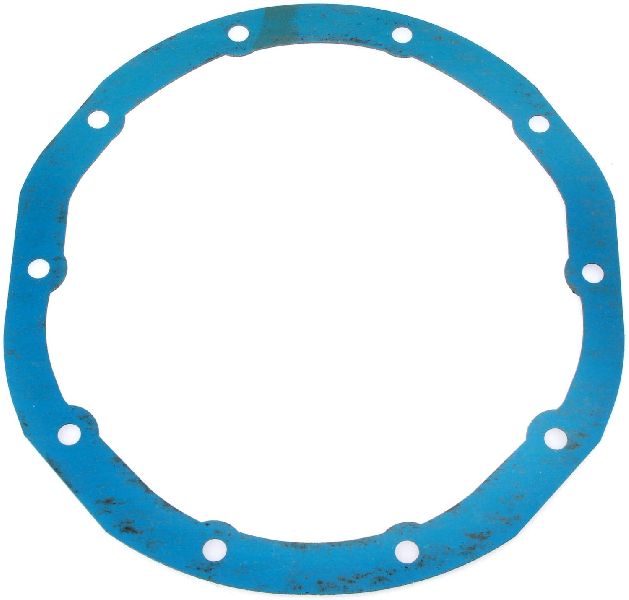
When installing your new cover, you can use a dedicated gasket or a bead of high-quality RTV (Room Temperature Vulcanizing) sealant. Many mechanics prefer RTV for a guaranteed seal, but it requires waiting for it to cure. A quality gasket can make the next replacement cleaner and faster. Some covers come in a kit with a gasket and new bolts. Always clean the mounting surface on the axle housing thoroughly before installation to ensure a leak-free seal.
Frequently Asked Questions (FAQ)
What are the signs of a failing differential cover?
The most obvious sign is a gear oil leak from the cover itself. You may see dark, oily residue on the cover, drips on the ground, or notice a strong, distinct smell from the gear oil. Visible rust, especially if it's flaking or creating wet spots, is a clear indicator that the cover needs replacement before it fails completely.
Do I really need a heavy-duty cover for my Express van?
While not required, it's a highly recommended upgrade. The Express 1500 is a work vehicle, and a heavy-duty cast iron cover from a brand like Yukon Gear provides superior protection against rust and impact damage from road debris. Given the small price difference, it's a valuable investment in durability.
What kind of gear oil does the 1996-2002 Express 1500 use?
Most 1996-2002 Express 1500 vans with the 8.5" or 8.6" rear axle use SAE 80W-90 gear oil. If your van has a limited-slip differential (G80 option code), you must also add a limited-slip friction modifier additive. Always check your owner's manual or a service guide to confirm the correct fluid type and capacity for your specific vehicle.
Can I replace the differential cover myself?
Yes, this is a feasible DIY job for someone with mechanical experience. It requires safely lifting and supporting the rear of the van, draining the old oil (which is messy), scraping the old gasket material off completely, and properly torquing the new cover bolts. The most critical step is ensuring the mating surface on the axle is perfectly clean.
Why do some aftermarket covers have fins?
Fins on a differential cover, usually made of aluminum, increase the surface area exposed to the air. This helps dissipate heat from the gear oil more effectively. While beneficial, for a standard Express 1500, the added durability of a thick iron cover is often more important than the marginal cooling benefits of a finned cover unless you are doing very heavy towing in hot climates.
Technical Specifications
OEM Part Numbers: 12479377
Fits the GM 10-bolt rear axle with an 8.5 inch or 8.6 inch ring gear, which is standard on the 1996-2002 Chevrolet Express 1500.
We Have This Part in Stock

The information in this article is provided for general reference and educational purposes only. Vehicle specifications, procedures, and part compatibility can vary by production date, trim level, and region. Always consult your vehicle's factory service manual and verify part numbers before purchasing or performing repairs. Safety-critical components such as airbags, seat belts, and braking systems should be installed by a qualified professional.
- Chevrolet Express 1500:
- 🛍️ Shop This Part
- Is Your Express Van's Differential Cover Leaking?
- Don't Ignore a Leak
- Choosing the Right Aftermarket Differential Cover
- Tier 1: Heavy-Duty Upgrade
- Tier 2: Standard Replacement with a Bonus
- Tier 3: Basic & Cosmetic Options
- Pro Tip: Gasket or RTV?
- Frequently Asked Questions (FAQ)
- 🎟️ Get 5% Off