

Chevrolet Express 1500 Starter Replacement Guide (1996-2003)
Don't get stranded by a no-start condition; learn the signs of a failing starter and how to choose the right replacement for your van.
- Always test the battery and clean the cable connections before replacing the starter; a weak battery is the most common cause of starting problems.
- For V8 models, starter failure when the engine is hot (heat soak) is a common issue; consider adding a heat shield or upgrading to a high-torque starter.
- Replacing the starter is a straightforward DIY job for most, requiring basic tools and safe access under the vehicle.
- No recalls have been issued for the starter on this van, but the symptoms of failure are well-documented by owners.
Signs of a Failing Starter

A starter motor usually gives you warning signs before it fails completely. If your van won't start, the starter is a likely suspect, but it's not the only one. Always check your battery first, as a weak or dead battery is the most common cause of starting issues and has very similar symptoms. Make sure your battery is fully charged and the terminals are clean and tight before you decide to replace the starter.
- Single, Loud Click: You turn the key and hear one loud click from the engine area, but the engine doesn't turn over. This often means the starter solenoid is engaging, but the motor itself isn't spinning. This could be due to a faulty starter motor or a poor electrical connection.
- Slow, Labored Cranking: When you try to start the van, the engine turns over very slowly, as if the battery is weak. This can be a sign of a starter with worn internal parts that is drawing too much power from the battery.
- Grinding Noise: A harsh grinding sound when you try to start the engine, or a whirring noise after the engine has started, can mean the starter gear is not meshing correctly with the flywheel or is not retracting properly. This can be caused by a worn-out starter or improper installation.
- No Sound at All: If you turn the key and hear nothing, the problem could be the starter, but it could also be other parts like the ignition switch, starter relay, or neutral safety switch. 🎬 Watch this video to diagnose a no-crank, no-start condition.
- Heat Soak (Especially on V8 Models): A very common issue on these GM vans is when the starter works fine when cold, but won't crank when the engine is hot. This is called 'heat soak,' where heat from the nearby exhaust manifold increases the starter's internal resistance, preventing it from working until it cools down.
Is It the Starter or the Battery?
A rapid, machine-gun-like clicking noise when you turn the key is almost always a sign of a low or dead battery, not a bad starter. The starter relay is trying to engage but doesn't have enough power from the battery to fully activate the starter motor.
Choosing the Right Aftermarket Starter

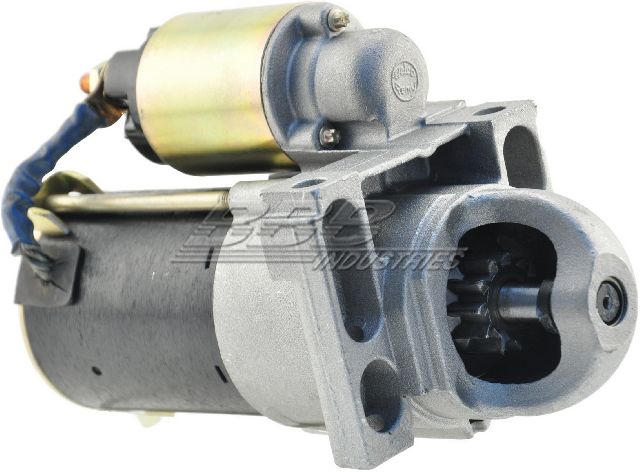
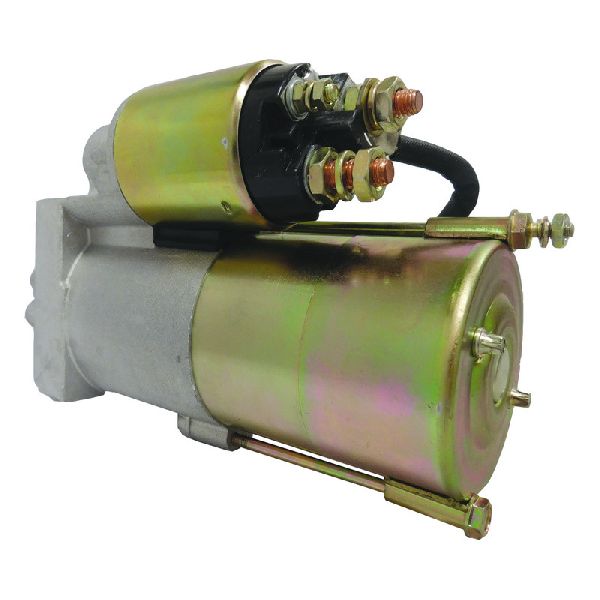
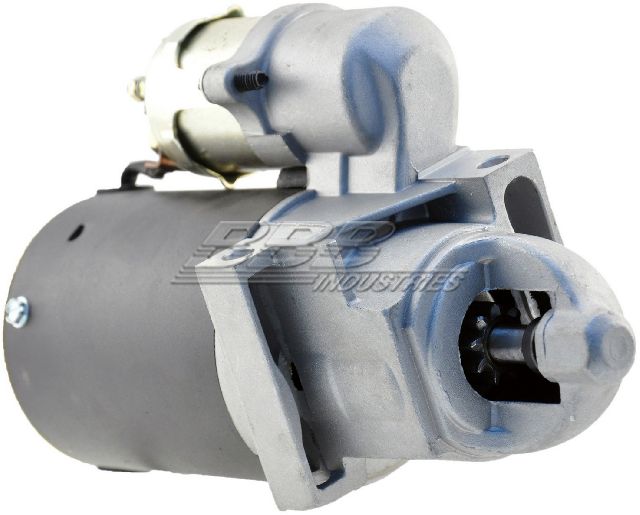
The original starter on these vans is typically a Delco PG260 model, which is a gear-reduction type. When shopping for a new aftermarket starter, you'll find a wide range of quality and prices. For a workhorse vehicle like an Express van, reliability is key.
- Premium Brands (Bosch, Denso): These brands are often original equipment manufacturers for many car companies and are known for high-quality engineering and durability. They are an excellent choice for reliability, though they may come at a higher price. Many professional mechanics prefer Denso or Bosch for their quality.
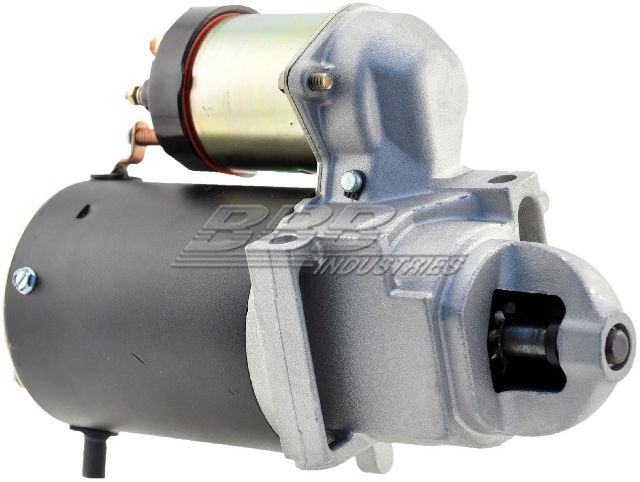
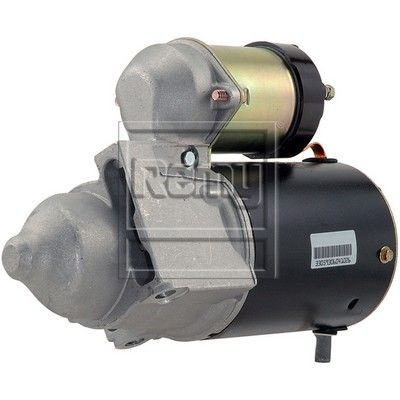
- Quality Mid-Tier Brands (Remy, BBB Industries): Remy has a long history, once being part of GM's Delco-Remy division. Today, they are a popular aftermarket brand with a reputation for being on par with other major players. BBB Industries is another large supplier that remanufactures starters for many parts stores. These brands offer a good balance of cost and quality.
- Economy Brands (WAI Global, Store Brands): WAI Global produces a wide range of new electrical parts and is often a more budget-friendly option. While many users report good experiences, some have noted quality control issues. These are best for those on a tight budget, but may not have the same long-term durability as premium brands.
For V8 models prone to heat soak, consider installing a starter heat shield or wrap. Some aftermarket starters, especially high-torque "mini starters," are less susceptible to this issue and can be a worthwhile upgrade.
Starter Replacement Cost

The cost to replace the starter on a 1996-2003 Express 1500 can vary. The price of the part itself ranges significantly based on the brand you choose. Shop labor is typically affordable for this job as access is relatively easy.
| Part or Service | Estimated Cost |
|---|---|
| New Aftermarket Starter | $98 - $280 |
| Shop Labor | $85 - $175 |
| Total Estimated Cost | $183 - $455 |
Frequently Asked Questions (FAQ)
Is replacing the starter a DIY job?
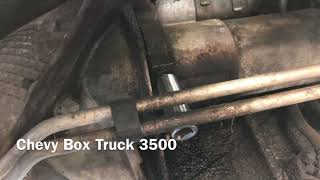
Yes, for most people with basic hand tools, this is a very feasible DIY job. The starter is located on the passenger side of the engine where it meets the transmission and is held on by two bolts. You will need to safely raise and support the vehicle to gain access from underneath. Always disconnect the negative battery terminal 🎬 See this step-by-step DIY walkthrough for replacing the starter. before beginning any work.
Are there any recalls or TSBs for the starter?
No, searches of the National Highway Traffic Safety Administration (NHTSA) database show no official recalls or Technical Service Bulletins (TSBs) specifically for starter motor failure on the 1996-2003 Chevrolet Express 1500.
Do I need to use shims when installing the new starter?
Sometimes. If the old starter had shims, you should put them back in with the new one. After installing the new starter, it's important to check the clearance between the starter gear and the flywheel. Improper clearance can cause grinding noises and damage the new starter or the flywheel.
🎬 Watch a professional mechanic replace a starter on a GM van.Can I just replace the starter solenoid?
On these starters, the solenoid is attached to the motor. While it is sometimes possible to replace just the solenoid, it is often sold as a complete assembly with the starter motor. Given the labor involved and the potential for the motor itself to be worn, replacing the entire starter unit is the most common and recommended repair.
Helpful Videos
Technical Specifications
OEM Part Numbers: 10465554 10465578 12572716 19180530
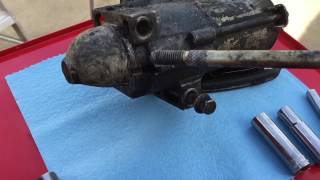
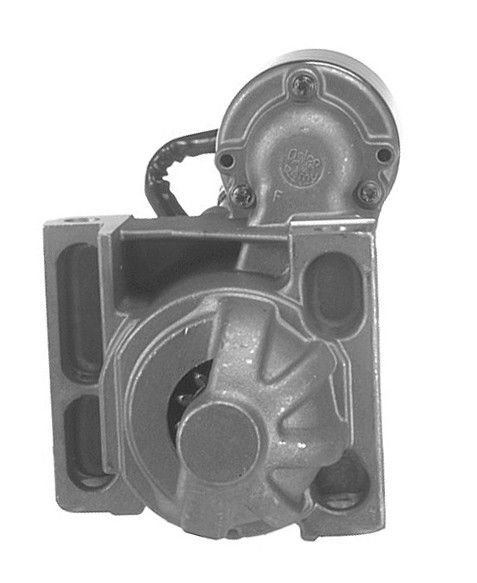
The original starter is typically a Delco PG260 series, which is a Permanent Magnet Gear Reduction (PMGR) type. It is held in place by two long bolts and connects to the vehicle's electrical system with one large battery cable and one small wire for the solenoid.
We Have This Part in Stock

The information in this article is provided for general reference and educational purposes only. Vehicle specifications, procedures, and part compatibility can vary by production date, trim level, and region. Always consult your vehicle's factory service manual and verify part numbers before purchasing or performing repairs. Safety-critical components such as airbags, seat belts, and braking systems should be installed by a qualified professional.
- Chevrolet Express 1500: