

Your Guide to the 1996-2004 Audi A4 Engine Oil Cooler
Understanding, diagnosing, and replacing the engine oil cooler on your B5 or B6 Audi A4.
- The primary failure symptom is oil and coolant mixing, creating a 'milkshake' substance in the oil.
- This issue is often misdiagnosed as a more expensive head gasket failure; the oil cooler is the more likely culprit.
- Always replace the oil cooler gasket during replacement to ensure a proper seal.
- If oil and coolant have mixed, both systems must be thoroughly flushed, adding to the repair complexity and cost.
Is Your Audi A4 Engine Oil Cooler Failing?
The most common failure for the oil cooler on the B5 and B6 Audi A4 is an internal leak. The seals inside the cooler can break down over time, allowing engine oil and coolant to mix. This is a serious problem that can lead to major engine damage if not addressed quickly. External leaks can also happen from old, brittle gaskets or corrosion.
Key Failure Symptoms
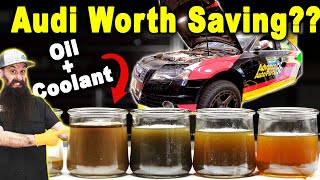
- Milky, sludgy oil: Finding a substance that looks like chocolate milk on your oil dipstick or oil cap is the classic sign of oil and coolant mixing. This is caused by a failed internal seal in the oil cooler.
- Oil in the coolant reservoir: A dark, oily film in your pink or purple coolant means oil is getting into the cooling system. 🎬 Watch: How to troubleshoot oil and coolant mixing issues.
- Engine Overheating: If the cooler is clogged or coolant has been contaminated with oil, the engine can't cool itself properly.
- Low Coolant or Oil Levels: A leaking cooler can cause you to lose either fluid, often without a visible puddle on the ground if the leak is internal.
Choosing a New Aftermarket Oil Cooler
When replacing the oil cooler, you have several aftermarket options. They generally fall into different quality tiers. For a critical part like this, choosing a reputable brand is important to avoid premature failure and potential engine damage.
Brand Quality Tiers
- Premium Aftermarket (OEM-Equivalent): Brands like Mahle and Nissens are often original equipment manufacturers for Audi and other German brands. They are known for high-quality materials and engineering that meets or exceeds factory specifications. Febi (Febi Bilstein) is another well-regarded German brand that offers quality replacement parts. These are your best bet for a reliable, long-lasting repair.
- Standard Aftermarket: Brands like Dorman and Vemo offer a balance of quality and price. They are widely available and provide a functional replacement, though they may not have the same longevity as premium brands. Dorman is a common choice that often fixes the immediate problem effectively.
- Value-Oriented Brands: URO Parts, Skyward, and other lower-priced options can be a good fit for a budget repair. URO Parts sometimes offers "URO Premium" versions of parts that aim to improve on the original design. While functional, quality can be inconsistent, so it's important to inspect the part carefully before installation.
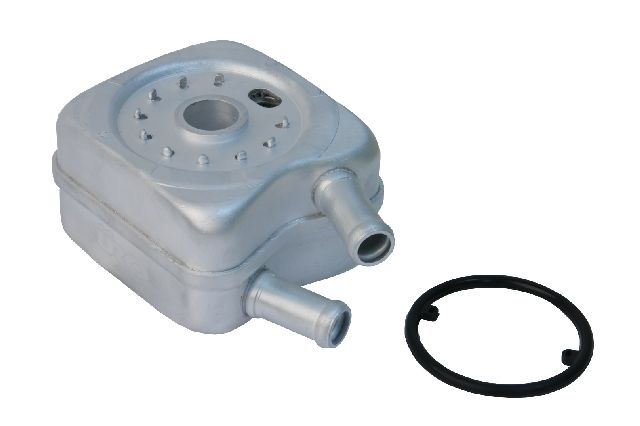
Pro Tip: Always replace the oil cooler gasket or O-ring when installing a new cooler. Many failures are due to the seal, not the cooler itself. It's a cheap part that provides crucial insurance against leaks.
🎬 See this walkthrough on replacing the oil cooler seal.How Much Does an Audi A4 Oil Cooler Replacement Cost?
The total cost depends on whether you do the job yourself or take it to a shop. If the oil and coolant have mixed, the cooling system and oil passages will need to be flushed multiple times, which adds significant labor time and cost.
| Part/Service | Estimated Cost |
|---|---|
| New Aftermarket Oil Cooler | $38 - $120 |
| New OEM Oil Cooler | $150 - $450 |
| Shop Labor | $433 - $635 |
| Total Professional Replacement | $471 - $1,088+ |
Frequently Asked Questions
Is this a difficult DIY job?
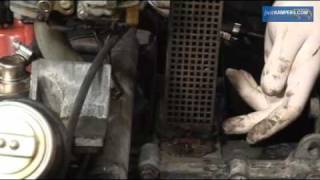
For a mechanically inclined owner, this is a manageable DIY job. The difficulty is about a 4 out of 10. It typically takes 2-3 hours. The main challenge is access, as the cooler is located right above the oil filter, often tucked under other components. 🎬 Watch: Step-by-step guide to replacing your engine oil cooler. You will need to drain the oil and at least some of the coolant.
My mechanic says it's a blown head gasket. Could it be the oil cooler?
Yes. The symptoms of a failed oil cooler (oil and coolant mixing) are almost identical to a blown head gasket. The oil cooler is a much cheaper and easier part to replace, so it is often recommended to replace it first when diagnosing this issue, especially on higher-mileage 1.8T and V6 engines.
Are there any recalls for the 1996-2004 Audi A4 oil cooler?
No. Searches of the National Highway Traffic Safety Administration (NHTSA) database did not show any recalls or specific technical service bulletins (TSBs) for the engine oil cooler on the 1996-2004 Audi A4 models.
What's the difference between the B5 and B6 oil coolers?
The basic design and function are the same for both the B5 (1996-2001) and B6 (2002-2004) generations, whether for the 1.8T or the V6 engines (2.8L and 3.0L). However, the specific part number, shape, and hose connections can vary. It is critical to order the correct part for your specific year, model, and engine to ensure proper fitment.
Helpful Videos
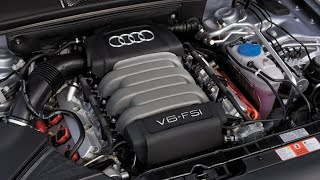
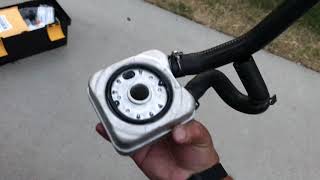
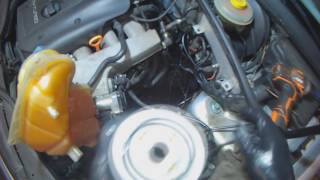
Technical Specifications
OEM Part Numbers: 028117021B 028117021L 028117021E 078117021A
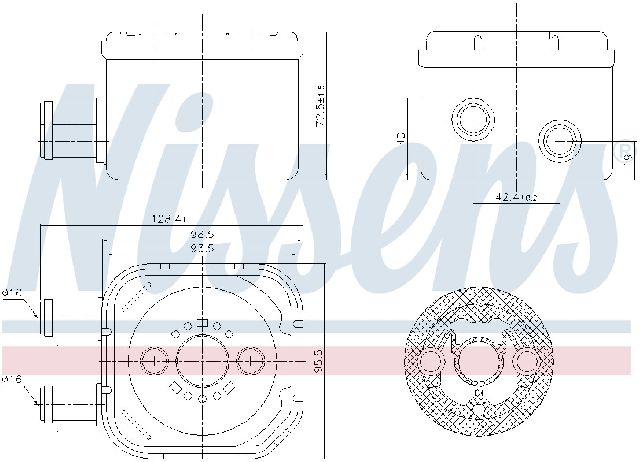
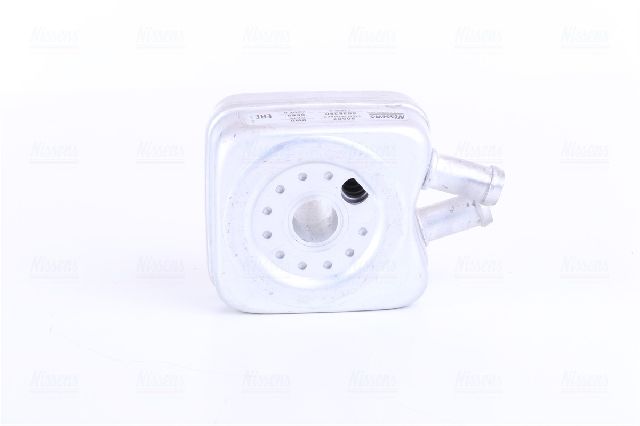
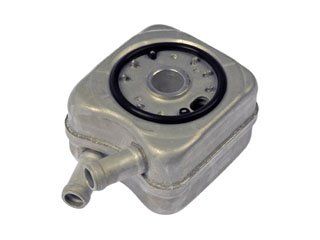
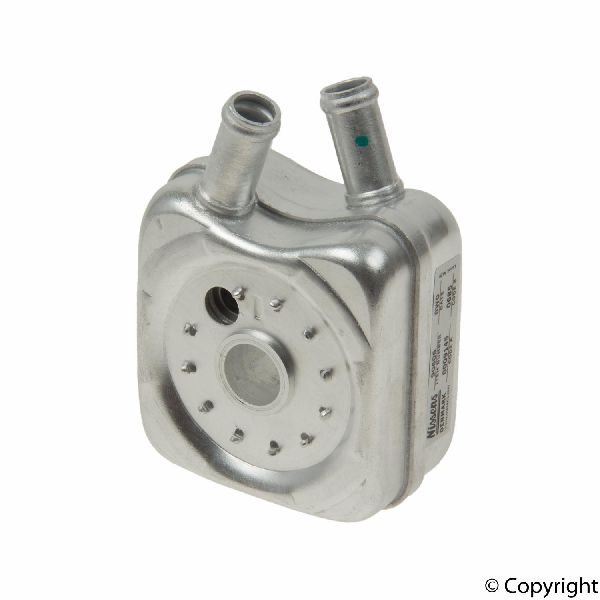
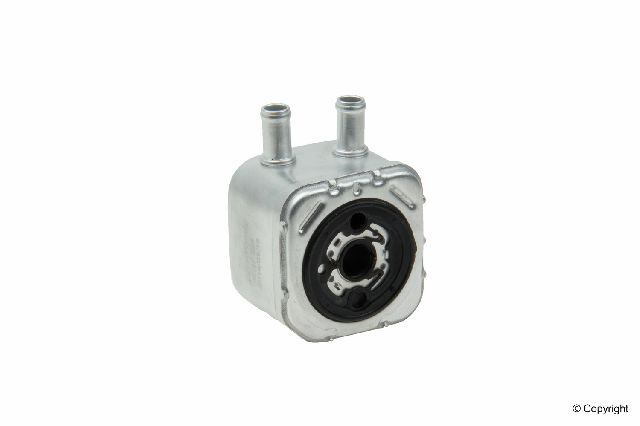
The 1996-2004 Audi A4 uses a water-to-oil plate-style heat exchanger. It is mounted directly to the engine block at the oil filter housing. The oil filter screws onto the cooler itself.
We Have This Part in Stock

The information in this article is provided for general reference and educational purposes only. Vehicle specifications, procedures, and part compatibility can vary by production date, trim level, and region. Always consult your vehicle's factory service manual and verify part numbers before purchasing or performing repairs. Safety-critical components such as airbags, seat belts, and braking systems should be installed by a qualified professional.
- Audi A4: