

Acura RL Disc Brake Hardware Guide for 1996-2005 Models
Noisy brakes or uneven pad wear on your RL? Your hardware is likely the culprit.
- Always replace your disc brake hardware when you replace your brake pads.
- Use a high-temperature silicone brake lubricant on all slide pins and metal-to-metal contact points.
- For the 1996-2005 RL, quality aftermarket brands like Centric, Raybestos, or Beck Arnley offer excellent value.
- Symptoms like rattling, squealing, and uneven pad wear are directly linked to old or failing hardware.
Is Your Brake Hardware Failing?
On the 1996-2005 Acura RL, the brake hardware is often overlooked but is critical for a quiet, effective brake system. When the original clips lose tension, corrode, or when slide pins get stuck, you will notice problems. Ignoring these signs leads to more expensive repairs down the road.
Symptoms of Bad Brake Hardware
- Rattling or Clicking Noises: A common sign is a metallic clicking or rattling sound when you drive over bumps or apply the brakes lightly. This is caused by loose brake pads vibrating in the caliper bracket.
- Uneven Brake Pad Wear: If a caliper slide pin is seized, the caliper can't move freely. This causes the brake pad on one side to wear down much faster than the other.
- Brake Dragging or Squealing: Corroded or weak hardware can prevent the brake pads from retracting properly after you release the pedal. This causes a constant drag, which generates heat, noise, and premature wear.
- Spongy or Soft Pedal: In some cases, binding hardware can contribute to a poor pedal feel, although this is more commonly a hydraulic issue.
Known Issue: TSB for Brake Squeal
Acura issued Technical Service Bulletin (TSB) #05-021 for some 2005 RL models concerning a "rattle from front suspension area or front brakes squeal at low speed." This often points to issues with brake pad shims and clips, which are included in a new hardware kit. Replacing the hardware is the correct fix for this type of noise.
Choosing the Right Aftermarket Hardware
For a first-generation Acura RL, you don't need to pay dealership prices for OEM parts. High-quality aftermarket hardware often meets or exceeds original specifications and can save you money. Here’s a breakdown of available brands.
Brand Quality Tiers
- Tier 1 (Recommended): Beck Arnley, Centric, Raybestos
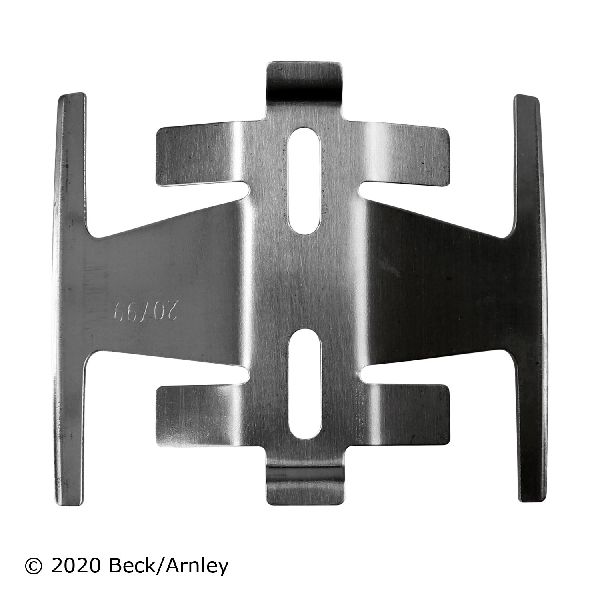
These brands are well-regarded for providing OE-quality fit and performance. Beck Arnley focuses on sourcing parts that match the original foreign nameplate specs. Centric and Raybestos are consistently recommended by mechanics and RL owners for their reliability and value. Many kits from these brands feature corrosion-resistant coatings. - Tier 2 (Standard Replacement): Dynamic Friction, Carlson
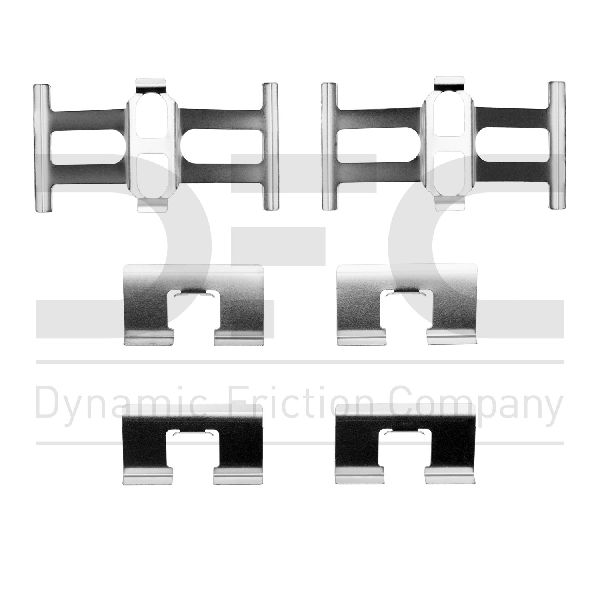
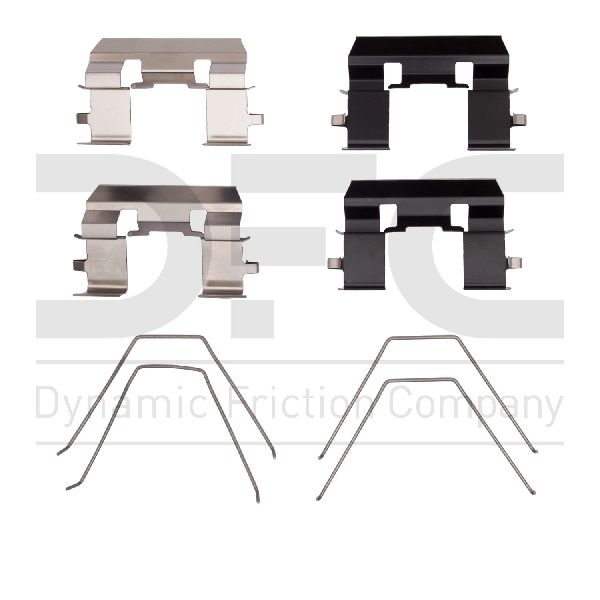
These are solid, budget-friendly options for a daily driver. Dynamic Friction is sometimes noted for using stainless steel components, which offer superior corrosion resistance compared to the plated steel found in cheaper kits. Carlson is a standard replacement brand often grouped with Centric and Raybestos. - Tier 3 (Use with Caution): Dorman
Dorman has a very mixed reputation. While they offer a huge catalog, mechanics and DIYers report inconsistent, "hit-or-miss" quality. For a safety-critical part like brake hardware, it's often worth spending a few extra dollars on a more trusted brand.
Pro Tip: Always Use New Hardware
Never reuse old brake hardware. The clips and springs are heat-cycled and lose their tension over time. A new hardware kit is a cheap insurance policy to protect your investment in new pads and rotors and ensure a quiet, long-lasting brake job.
| Part Type | Estimated Cost |
|---|---|
| New Aftermarket | $6.79 - $39.72 |
| New OEM (Dealer) | $45 - $80 |
Frequently Asked Questions
Is it really necessary to replace brake hardware?
Yes. It is highly recommended by all professional mechanics. Old hardware is a primary cause of brake noise and premature pad wear. For the small cost, it ensures your brake job is done right the first time.
What is included in a typical disc brake hardware kit?
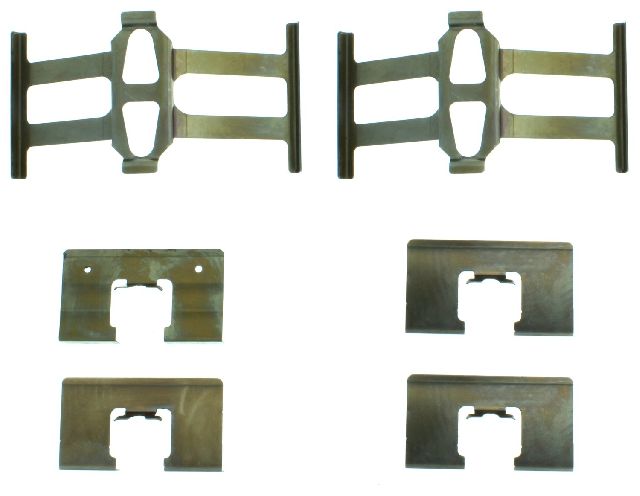
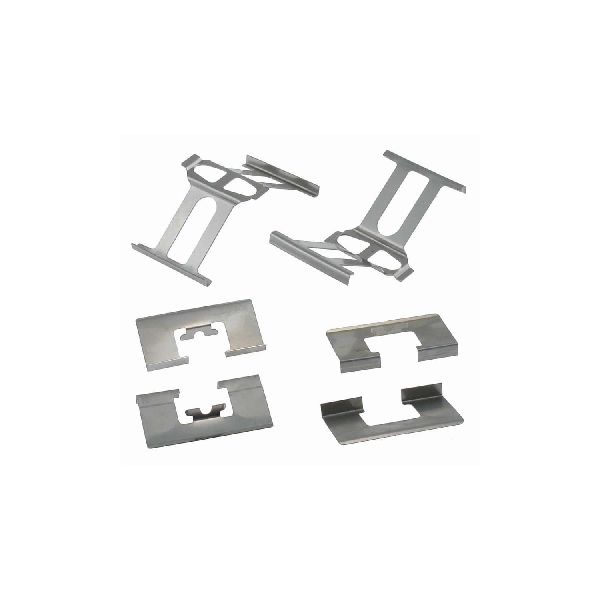
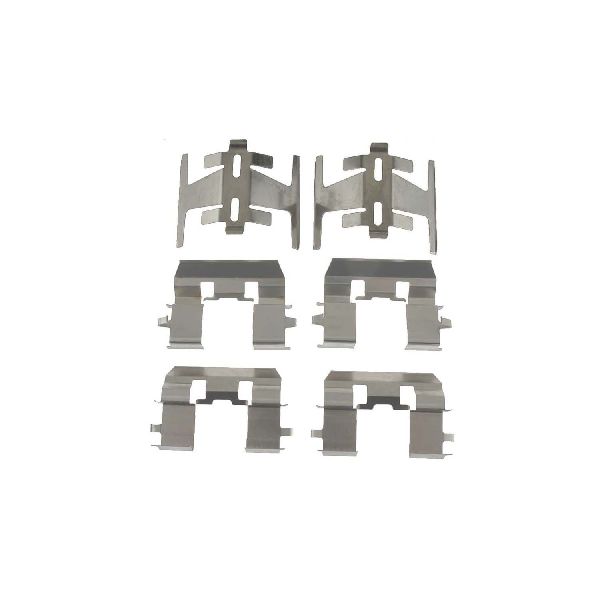
A kit for your RL will typically include new anti-rattle clips (abutment clips), brake pad retainer pins, and sometimes new caliper slide pin boots. These parts ensure the pads are held securely but can still move as needed.
What kind of grease should I use on the hardware?
You must use a high-temperature, silicone-based brake lubricant on the caliper slide pins and on the contact points where the brake pad ears touch the new clips. Do not use regular anti-seize or petroleum-based grease, as it can damage the rubber boots and break down under heat.
Can I just replace the hardware without changing the pads?
Technically yes, but it doesn't make sense. The hardware should be replaced whenever you replace the brake pads. If your hardware is worn out, your pads are likely worn as well. They should always be serviced together.
Technical Specifications
Kits typically include anti-rattle clips, pad retainer pins, and sometimes caliper pin boots. Higher-quality kits may use stainless steel instead of zinc-plated steel for better corrosion resistance.
We Have This Part in Stock

The information in this article is provided for general reference and educational purposes only. Vehicle specifications, procedures, and part compatibility can vary by production date, trim level, and region. Always consult your vehicle's factory service manual and verify part numbers before purchasing or performing repairs. Safety-critical components such as airbags, seat belts, and braking systems should be installed by a qualified professional.
- Acura RL: