

Chevrolet Express 3500 Starter Guide for 1996-2005 Models
Don't get stranded by a bad starter—here's what every Express 3500 owner needs to know about replacement.
- Always test the battery before replacing the starter; weak batteries often mimic starter failure.
- Heat from the exhaust is a major cause of starter failure ('heat soak') on these V8 vans; make sure to use a heat shield.
- A single, loud click with no crank is the most classic symptom of a bad starter.
- For a work vehicle, choosing a new starter from a premium brand like Bosch or Denso is a wise investment in reliability.
Is Your Express 3500 Starter Failing?
Before you blame the starter, always check the battery first. A weak or dead battery is the most common reason a vehicle won't start, and its symptoms can easily be mistaken for a bad starter. Make sure the battery is fully charged and the terminals are clean and tight. If the battery is healthy, the starter itself is the next likely culprit.
A Common Problem: Heat Soak
The large V8 engines in these Express vans generate significant heat. The starter is often located close to the hot exhaust manifold. Over many years and miles, this constant exposure to high temperatures can cook the starter's internal electrical components, a condition known as "heat soak." The classic symptom is a van that starts perfectly when the engine is cold but refuses to crank when it's hot. You may have to wait for it to cool down before it will start again.
Choosing the Right NEW Aftermarket Starter
You don't need to buy an expensive OEM starter from a dealer. New aftermarket starters offer excellent quality, often meeting or exceeding original specifications. For a heavy-duty vehicle like the Express 3500, investing in a quality new part is often a better choice than a remanufactured one, as all components are fresh and it ensures longer-term reliability. Here’s a breakdown of the available brands:
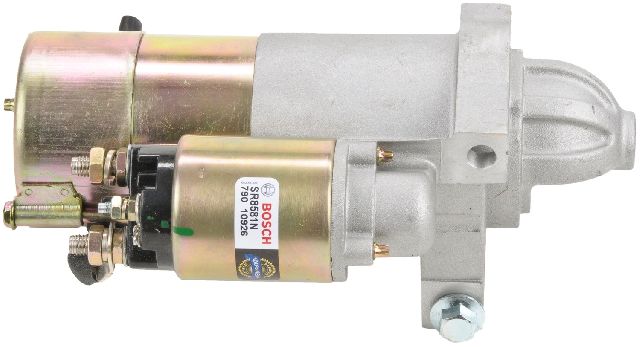
- Premium Brands (Bosch, Denso): Both Bosch and Denso are respected, top-tier manufacturers that often supply original parts to automakers. They are known for high-quality materials, rigorous testing, and excellent durability. Choosing a starter from one of these brands is the best way to ensure long-term reliability, making them a smart investment for a work van.
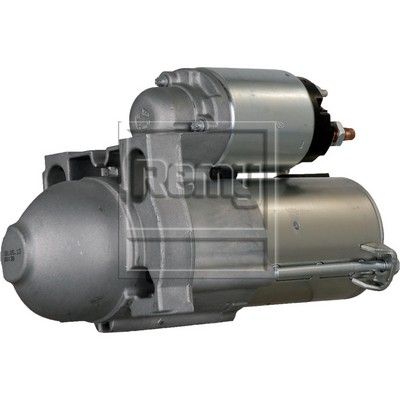
- Standard Brands (Remy): Remy has been a well-known name in automotive electrics for decades. While some forum users feel the quality has declined over the years, it is generally considered a solid mid-tier option that provides a good balance of price and performance.
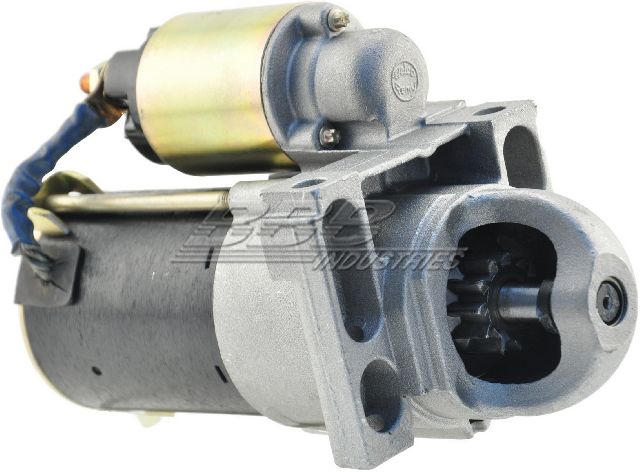
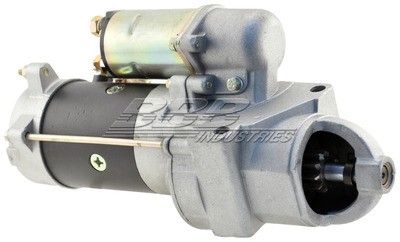
- Value Brands (WAI Global, BBB Industries): WAI Global and BBB Industries offer more budget-friendly options. While many users report positive experiences, others have noted inconsistent quality or premature failures. These can be a good choice if the budget is the primary concern, but for a vehicle that needs to be dependable, stepping up to a standard or premium brand is recommended.
Pro Tip: Many starters for these vans require you to transfer the original heat shield to the new part. Do not skip this step. The heat shield is critical for protecting the new starter from exhaust heat and preventing premature failure.
How Much Does a New Starter Cost?
The cost of the part itself can vary significantly based on the brand you choose. Professional installation adds to the total cost. Here is a general breakdown:
| Part/Service | Estimated Cost |
|---|---|
| New Aftermarket Starter (Value) | $98 - $150 |
| New Aftermarket Starter (Standard/Premium) | $150 - $348 |
| Shop Labor for Installation | $87 - $128 |
| Total Professional Replacement | $362 - $611 |
Frequently Asked Questions
What are the most common signs of a failing starter?
The most common signs are a single, loud click when you turn the key, the engine cranking very slowly, or hearing a grinding or whirring noise. Sometimes, the starter may work intermittently, starting the van one day but not the next. If you hear rapid clicking, the problem is more likely a weak battery.
Is it hard to replace the starter on an Express 3500 myself?
For a DIY mechanic with proper tools and safety equipment, it is a manageable job. The starter is located on the passenger side of the engine, mounted to the transmission bellhousing. The main challenges are safely lifting and supporting the large van and sometimes reaching the bolts and electrical connections, which can be tight. The job typically takes 1-2 hours.
Do I need a special starter for my engine size?
Yes, it is very important to get the correct starter for your specific engine (e.g., 5.7L, 7.4L, 8.1L V8). Starters are designed to match the power requirements of the engine they need to crank. Always verify the fitment for your exact year, make, model, and engine before purchasing.
Were there any recalls for the starter on these vans?
No. Searches of the National Highway Traffic Safety Administration (NHTSA) database did not find any recalls specifically for the starter motor on the 1996-2005 Chevrolet Express 3500. Any failure is due to normal wear and tear or other factors like heat or oil contamination.
Technical Specifications
OEM Part Numbers: 10465578 19136219 9000879
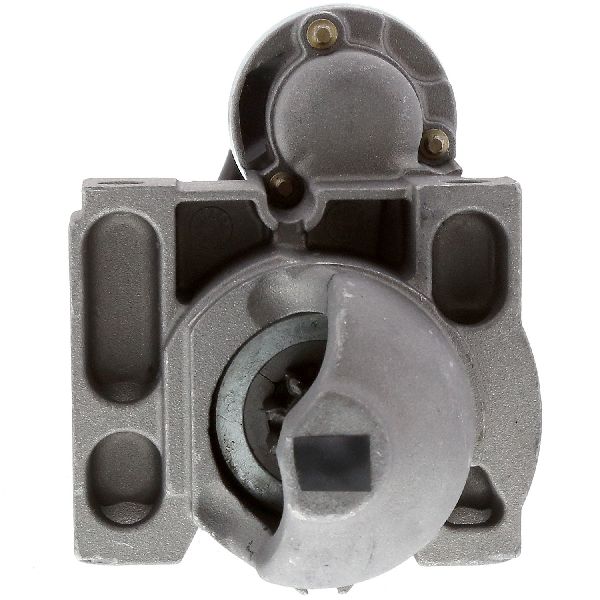
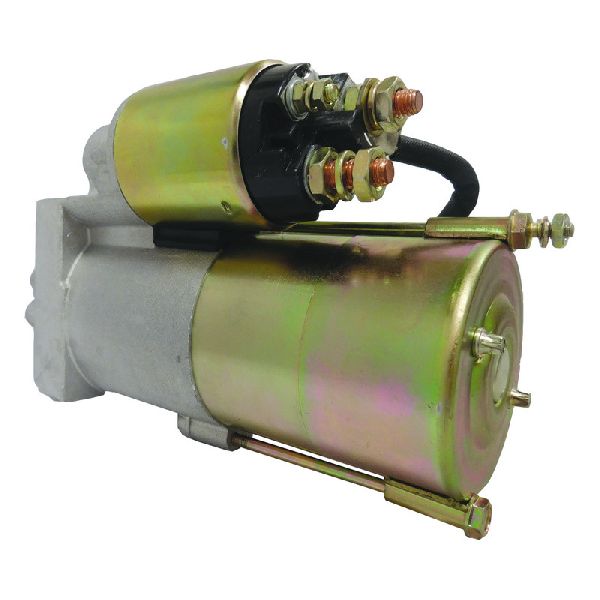
The starter is typically a 12-volt, permanent magnet gear reduction (PMGR) type, mounted to the transmission bellhousing on the passenger side. It uses two mounting bolts and has two electrical connections: a large post for the main battery cable and a smaller post for the solenoid signal wire.
We Have This Part in Stock

The information in this article is provided for general reference and educational purposes only. Vehicle specifications, procedures, and part compatibility can vary by production date, trim level, and region. Always consult your vehicle's factory service manual and verify part numbers before purchasing or performing repairs. Safety-critical components such as airbags, seat belts, and braking systems should be installed by a qualified professional.
- Chevrolet Express 3500: