

Audi A4 A/C System O-Ring and Gasket Guide (1996-2010)
Losing your cool over a weak A/C? Your problem might be tiny, dried-out rubber seals.
- This kit is used to fix refrigerant leaks when replacing a major A/C component; it is not a standalone repair.
- A/C system repair is not DIY-friendly. It requires specialized equipment to safely and correctly handle refrigerant.
- The most common symptom of failing o-rings is A/C that blows warm air due to a slow loss of refrigerant.
- Always replace the receiver/drier when the A/C system is opened for repair.
Is Your A4 A/C Blowing Warm Air?
The most common reason for an Audi A4's air conditioning to stop blowing cold is a refrigerant leak. Over many years and heat cycles, the small rubber o-rings and gaskets at the A/C line connections become hard, brittle, and cracked. This allows refrigerant to slowly seep out. You may first notice the A/C isn't as icy as it used to be, and eventually, it just blows ambient air. While a leak can happen anywhere, these connection seals are a primary suspect on an aging vehicle.
This is Not a Beginner DIY Job
Replacing A/C o-rings requires recovering the old refrigerant, replacing the parts, pulling a vacuum on the system to remove air and moisture, and recharging with a precise amount of new refrigerant and oil. This process requires specialized and expensive equipment. Failure to perform these steps correctly will result in continued A/C problems. This is a job best left to a professional mechanic or a highly experienced DIYer with the right tools.
Choosing the Right Aftermarket O-Ring Kit
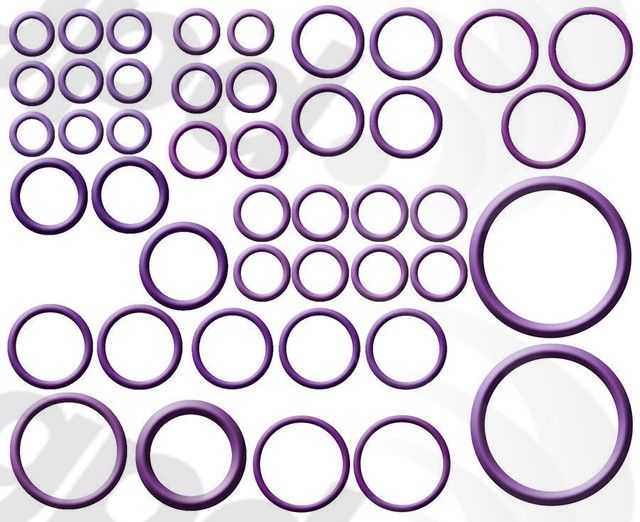
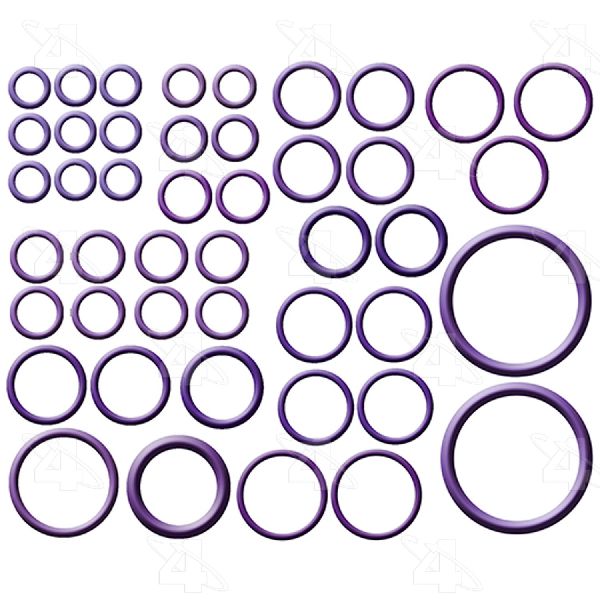
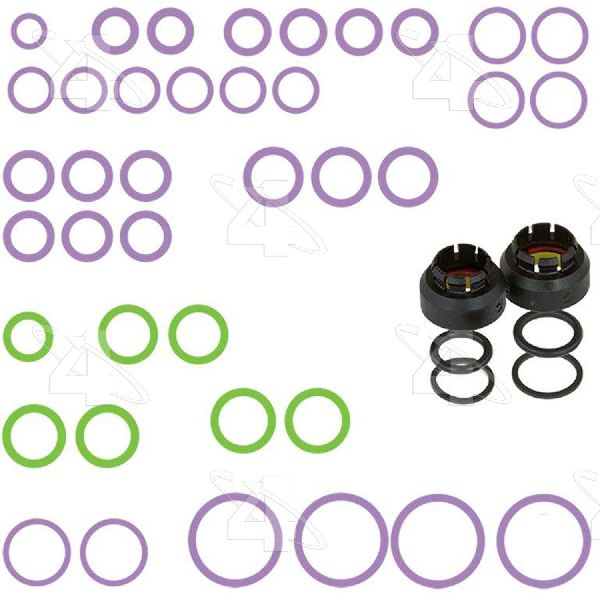
When your mechanic opens the A/C system to replace a compressor or fix a leak, it is standard practice to replace all the seals on the components being disconnected. Aftermarket kits from brands like Four Seasons and Global Parts (GPD) offer a cost-effective way to do this.
- Material is Key: For 1996-2010 Audi A4 models, the A/C system uses R134a refrigerant. The o-rings must be made of a specific material called Hydrogenated Nitrile Butadiene Rubber (HNBR). These are typically green or black and are designed to withstand the chemicals and pressures in the A/C system. Using the wrong type of rubber will lead to a quick failure.
- Brand Tiers: Four Seasons is a well-established brand in the A/C world, with some forum users reporting good experiences with their components. Global Parts (GPD) is another common aftermarket supplier. While some users have reported issues with GPD compressors, their seal kits provide a budget-friendly option. For seals, perfect fitment is more important than the brand name itself. Some mechanics prefer to use OEM seals if an aftermarket part doesn't feel substantial enough, as even a tiny gap can cause a leak.
Pro Tip: Replace the Receiver/Drier
Anytime the A/C system is opened to the atmosphere, it's critical to also replace the receiver/drier (or accumulator). This component absorbs moisture from the system. A new one costs little but is essential for the long-term health of your A/C compressor.
Known Issues for 1996-2010 Audi A4
No specific recalls or technical service bulletins (TSBs) were found for A/C o-ring failures for this generation range. However, slow refrigerant leaks are a very common age-related issue. Besides the o-rings, leaks can also develop from the condenser (often from road debris impact) or the compressor shaft seal. A mechanic can use UV dye or an electronic "sniffer" to pinpoint the exact source of the leak before replacing parts.
| Part Type | Typical Cost |
|---|---|
| New Aftermarket Kit (Four Seasons, Global Parts) | $27.29 - $126.29 |
| New OEM Kit | $75 - $200+ |
| Shop Labor (Diagnosis & Installation during other repairs) | $150 - $400+ |
Frequently Asked Questions
Can't I just add more refrigerant with a DIY can?
This is only a temporary fix. If the system is low, it has a leak. Topping it off releases environmentally harmful refrigerant and doesn't fix the underlying problem. The system will soon leak back out, and you'll be back where you started. Proper repair is the only long-term solution.
Why does the kit have so many different sized o-rings?
Your A/C system has multiple connection points of varying sizes: lines to the compressor, condenser, evaporator, and pressure switches. A vehicle-specific kit is designed to include all the potential seals you might need for a comprehensive repair.
My mechanic found the leak. Why replace more than just the one bad o-ring?
The cost of A/C repair is primarily in the labor and the process of evacuating and recharging the system. Since all the o-rings are the same age and have been exposed to the same conditions, it's wise to replace all accessible seals while the system is open. This prevents you from having to pay for the same expensive service again in a few months when another old seal fails.
What's the oily residue I see near an A/C line connection?
The A/C system contains refrigerant oil (PAG oil) mixed with the refrigerant. When refrigerant leaks out, it often carries a small amount of this oil with it. This oily, dirt-collecting residue is a tell-tale sign of a leak location.
Technical Specifications
OEM Part Numbers: 3D0260749C 7H0820896
Material: HNBR (Hydrogenated Nitrile Butadiene Rubber). Refrigerant Compatibility: R134a.
We Have This Part in Stock

The information in this article is provided for general reference and educational purposes only. Vehicle specifications, procedures, and part compatibility can vary by production date, trim level, and region. Always consult your vehicle's factory service manual and verify part numbers before purchasing or performing repairs. Safety-critical components such as airbags, seat belts, and braking systems should be installed by a qualified professional.
- Audi A4: