

Ford Ranger Neutral Safety Switch: A Guide for 1996-2011 Models
If your Ranger only starts in Neutral or won't start at all, your Neutral Safety Switch might be the culprit.
- The most common sign of failure is the truck starting in Neutral but not in Park.
- This part is also called a Transmission Range Sensor (TRS); a failure can cause shifting problems and a P0705 code.
- Replacement is a manageable DIY job, but proper alignment of the new switch is essential for it to work correctly.
- Before replacing the switch, check your shifter linkage, as looseness there can cause identical symptoms.
Understanding the Neutral Safety Switch on Your Ranger

The Neutral Safety Switch, which Ford often calls a Transmission Range Sensor (TRS), does more than just allow your truck to start. It's a key part of the automatic transmission system. It communicates the position of your gear shifter (P, R, N, D, etc.) to the Powertrain Control Module (PCM). This information is crucial for proper transmission behavior, including shift timing and activating the reverse lights. When it fails, it can cause a range of problems from a simple no-start condition to erratic shifting. On manual transmission Rangers, a similar function is performed by a clutch interlock switch, which ensures the clutch pedal is pressed before starting. This guide focuses on the switch for automatic transmissions.
Common Failure Symptoms

A failing neutral safety switch on a Ranger usually gives clear warning signs. Here’s what to look out for:
- Starts in Neutral, But Not in Park: This is the most common symptom. You'll turn the key in Park and get nothing, but if you shift to Neutral, the truck starts right up. This points to a worn spot or misalignment in the switch corresponding to the Park position.
- No Start at All: The switch may fail completely, preventing the starter from getting power in either Park or Neutral. Your dashboard lights and radio will still work, but the engine won't crank.
- No Reverse Lights: Since the switch controls the backup lights, their failure is a strong indicator of a problem.
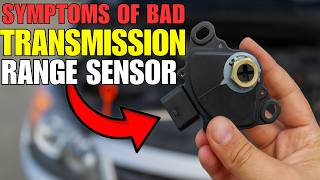
- Erratic Shifting or Check Engine Light: Because the switch tells the computer what gear you're in, a bad signal can cause harsh shifting, a delay in engagement, or even cause the transmission to go into a "limp mode" where it gets stuck in one gear. This is often accompanied by a Check Engine Light and trouble code P0705. 🎬 See a detailed breakdown of bad transmission range sensor symptoms
Is It the Switch or the Shifter Cable?
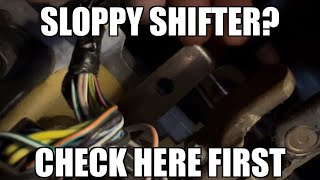
A loose or stretched shifter cable can mimic the symptoms of a bad neutral safety switch, especially the "starts in Neutral but not Park" issue. Before replacing the switch, check for excessive play in your column shifter and ensure the gear indicator on the dash lines up correctly with the gear you've selected. A problem with the linkage is a known issue on these trucks.
🎬 Watch: How to fix a loose shifter and starting issuesChoosing the Right Aftermarket Switch

When replacing the neutral safety switch on your Ranger, you have a few options. Since this part is both a safety and a critical operational component, choosing a quality replacement is important.
| Brand Tier | Our Price Range | Typical Quality & Notes |
|---|---|---|
| Standard Ignition | $80 - $110 | Considered a premium aftermarket brand. Known for good fitment and using quality materials that meet or exceed OEM specifications. A reliable choice for long-term durability. |
| Replacement | $53 - $79 | These are budget-friendly options that get the job done. They meet the basic requirements but may use less robust materials, potentially leading to a shorter lifespan compared to premium brands or OEM. |
A Note on Connectors for 1999 Rangers
Some 1999 Ranger owners have noted a difference in pin counts between their original switch (12-pin) and available replacements (11-pin). Forum discussions suggest the 11-pin replacement part works correctly, with one pin location being blank. Always visually compare the new part to your old one before installation.
Frequently Asked Questions (FAQ)

Is it hard to replace a Ranger's Neutral Safety Switch?
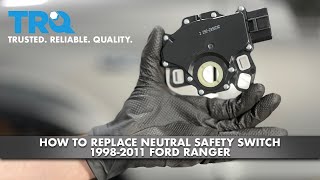
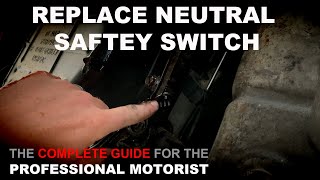
No, it is a DIY-friendly job for someone with basic mechanical skills. It requires safely raising the vehicle, removing the shifter linkage and electrical connector from the switch, unbolting the old switch, and installing the new one. 🎬 Watch this step-by-step guide to replacing your Ranger's switch The most critical step is correctly aligning the new switch.
How do I align the new switch?
The new switch will have alignment marks. Before removing the old switch, put the transmission in Neutral. When installing the new switch, you must line up these marks before tightening the mounting bolts. Failure to do this will cause starting or shifting problems.
Are there any recalls on this part for my Ranger?
Searches of the NHTSA database did not show any specific recalls or technical service bulletins (TSBs) for the neutral safety switch on 1996-2011 Ford Rangers. Recalls found were for newer model years (2019+) and related to different shifter components.
What happens if I don't replace a bad switch?
At best, you'll be inconvenienced by intermittent starting. At worst, your truck could leave you stranded, or if it fails in a way that allows starting in gear, it could create a serious safety hazard. Driving with a faulty switch can also cause excessive wear on your transmission due to incorrect shift commands.
Helpful Videos
Technical Specifications
OEM Part Numbers: F7TZ-7A247-AA 1L3Z-7A247-AA F87Z-7A247-AA
Located on the driver's side of the automatic transmission. The switch is adjustable for alignment. Connector pin counts may vary by year, with some 1999 models having a 12-pin connector while replacements are 11-pin.
We Have This Part in Stock


The information in this article is provided for general reference and educational purposes only. Vehicle specifications, procedures, and part compatibility can vary by production date, trim level, and region. Always consult your vehicle's factory service manual and verify part numbers before purchasing or performing repairs. Safety-critical components such as airbags, seat belts, and braking systems should be installed by a qualified professional.
- Ford Ranger: