

Guide to the Throttle Position Sensor for 1997-2002 Ford Lobo
Solve common engine hesitation, rough idle, and shifting problems in your Ford Lobo by understanding and replacing the throttle position sensor.
- A bad TPS can cause symptoms that mimic a failing transmission; check the TPS first if you have both engine hesitation and harsh shifting.
- This is a very simple DIY replacement that requires only basic tools and can be completed in under 30 minutes.
- After installation, you must disconnect the battery for 15 minutes to clear the computer's memory so it can adapt to the new sensor.
- Common trouble codes associated with a failing TPS are P0121, P0122, and P0123.
Is Your Lobo Showing Signs of a Bad Throttle Position Sensor?
A failing throttle position sensor on a 1997-2002 Ford Lobo (or the mechanically identical F-150) can create a list of confusing issues. Because the sensor's signal impacts both the engine and transmission, the symptoms can seem unrelated at first. You might notice the engine hesitates or bogs down when you accelerate, idles roughly, or even stalls unexpectedly. Many owners also report problems that feel like the transmission is failing, such as harsh, sudden shifts or shifting at the wrong times. This happens because the computer doesn't have the correct information about what your foot is doing on the gas pedal. Often, the Check Engine Light will turn on, storing trouble codes like P0121, P0122, or P0123.
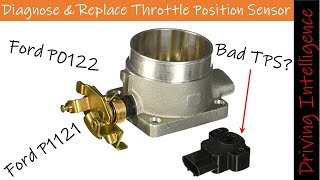
🎬 Learn how to diagnose a bad TPS using this guide.Don't Mistake It for a Transmission Problem
A bad TPS can easily make you think your automatic transmission is failing. Because the computer uses the TPS signal to decide when to shift, a faulty signal can cause sudden, hard shifts or a failure to downshift when you need power. Before you consider expensive transmission work, always investigate the TPS if you experience these shifting issues along with any engine performance problems.
Choosing the Right Aftermarket TPS: OEM vs. Aftermarket
When replacing a critical sensor like the TPS, you have a choice between an original equipment (OEM) Motorcraft part and several aftermarket brands. For electronic parts on these Ford trucks, many owners and mechanics in forums recommend using the OEM Motorcraft part to ensure reliability and a perfect fit. However, quality aftermarket brands can offer a reliable repair at a lower cost.
- NGK (also known as NTK): NGK is a well-respected brand, often known for being an original equipment supplier for many automakers. Their sensors are manufactured to meet or exceed OE standards and undergo extensive testing for performance in extreme conditions. They are a strong choice for a reliable aftermarket part.
- Standard Ignition (Standard Motor Products): Standard has been a major name in aftermarket parts for a long time. They offer different tiers of parts. Their main line is generally considered a quality replacement, though some users note that quality can vary. They are a reputable option that often provides good value.
- True Tech: True Tech is a brand offered by Standard Motor Products. It is generally positioned as a more budget-friendly option. While it meets the basic requirements, it may not have the same long-term durability or precise calibration as a premium aftermarket or OEM part.
Pro Tip: For a simple electronic sensor like the TPS, a premium aftermarket brand like NGK or Standard Ignition is usually a safe and cost-effective choice. However, if you want the highest assurance of compatibility and longevity, the OEM Motorcraft part is the recommended option.
Cost of Replacing a Ford Lobo Throttle Position Sensor
| Part Type | Estimated Cost Range |
|---|---|
| New Aftermarket (NGK, Standard, True Tech) | $38.44 - $70.86 |
| New OEM (Motorcraft) | $51.00 - $97.00 |
| Shop Labor | $50 - $100 |
Frequently Asked Questions
Is it hard to replace the TPS on a 1997-2002 Lobo?
No, this is a very easy job for a DIYer. The sensor is located on the side of the throttle body and is held on by two screws. The most difficult part is often just removing the plastic engine cover and air intake tube to get access. The entire job can usually be done in under 30 minutes with basic hand tools.
🎬 Watch this step-by-step video on replacing your Ford TPS.Do I need to adjust the new TPS?
For the 1997-2002 models, the new TPS should ideally be checked with a multimeter to ensure the voltage at idle is correct (typically just under 1.0 volt). While many sensors work correctly right out of the box, some may require slight rotation before tightening the screws to get the voltage perfect. An incorrect idle voltage can cause idle and performance issues.
Do I need to reset the computer after replacing the TPS?
Yes, it's highly recommended. After installing the new sensor, you should disconnect the negative battery terminal for about 15 minutes. This clears the computer's memory (Keep Alive Memory), forcing it to relearn the values from the new sensor, which helps ensure smooth operation.
Are there any recalls for the throttle position sensor?
No, there are no specific recalls or widespread Technical Service Bulletins (TSBs) from Ford for the throttle position sensor itself on the 1997-2002 Ford F-150/Lobo. There were recalls for the cruise control deactivation switch and throttle body icing in cold weather on some of these trucks, but these do not directly involve the TPS.
Helpful Videos


Technical Specifications
OEM Part Numbers: F4SZ-9B989-A F6TZ-9B989-AA DY-967
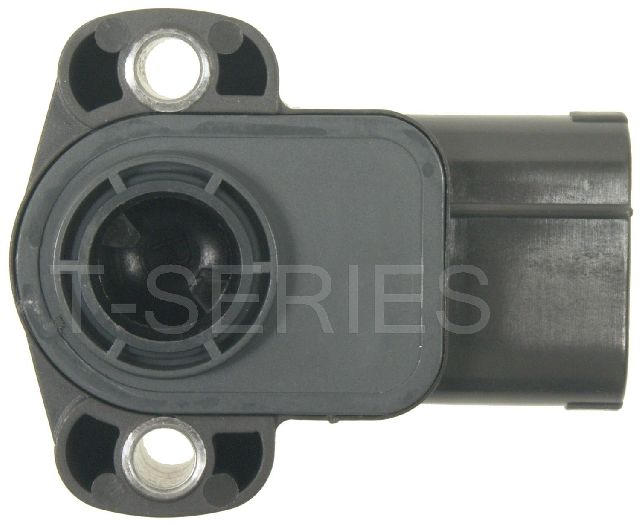
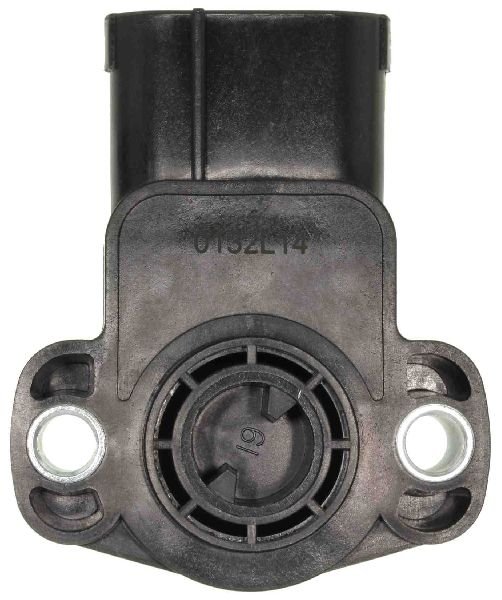
3-pin electrical connector, mounted to the side of the throttle body with two screws. Operates on a 5-volt reference signal from the PCM.
We Have This Part in Stock


The information in this article is provided for general reference and educational purposes only. Vehicle specifications, procedures, and part compatibility can vary by production date, trim level, and region. Always consult your vehicle's factory service manual and verify part numbers before purchasing or performing repairs. Safety-critical components such as airbags, seat belts, and braking systems should be installed by a qualified professional.
- Ford Lobo: