

Honda CR-V Engine Mount Guide: 1997-2002 Models
Experiencing vibrations or clunking noises in your first-gen CR-V? Your engine mounts might be the culprit.
- Excessive vibration at idle and clunking noises are the most common signs of a bad mount on a 1st-gen CR-V.
- For the best ride quality and longest life, OEM Honda mounts are the top choice, but come at a premium price.
- Beck Arnley is widely considered the best aftermarket option, offering a good balance of quality and cost.
- Budget brands like Anchor and DEA are very cheap but carry a high risk of poor fit, increased vibration, and premature failure.
Symptoms of a Failing Engine Mount
When the engine mounts on your first-generation CR-V start to fail, the signs are usually easy to notice. Because the engine is no longer properly secured, you'll likely experience new noises and sensations while driving.
- Increased Vibration: This is the most common symptom. You might feel a strong vibration through the steering wheel, 🎬 See how to fix engine vibration and jumping in 20 minutes. floor, or seats, especially when the car is idling with the transmission in drive.
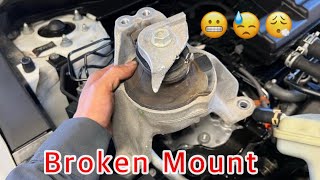
- Clunking or Banging Noises: Loud clunks, bangs, or thuds from the engine bay are a major red flag. These noises are often most noticeable when you start the engine, shut it off, or shift gears, as the engine rocks back and forth and hits other components.
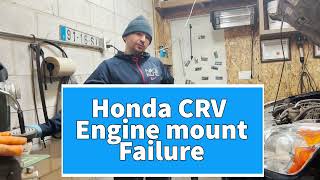
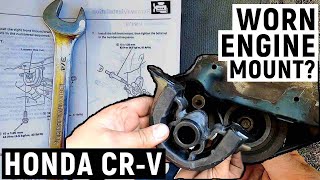
- Visible Engine Movement: If you have a friend help, you can test for this. With the parking brake on and your foot firmly on the brake pedal, shift into Drive and lightly press the gas. If the engine visibly jumps or rocks excessively, a mount has likely failed. 🎬 Watch: See what a collapsed CR-V engine mount looks like.
Known Issues & Recalls
Searches of the National Highway Traffic Safety Administration (NHTSA) database show no specific recalls or technical service bulletins (TSBs) for engine mounts on the 1997-2002 Honda CR-V. However, individual complaints have been filed regarding mount failure. Any recalls for this vehicle generation are typically for other issues like airbags or ignition switches.
Choosing the Right Aftermarket Mount
For an older vehicle like the 1997-2002 CR-V, you have several options for replacement mounts. While original Honda (OEM) parts are widely considered the best for ride quality and durability, they are also the most expensive. Aftermarket parts offer significant savings, but quality can vary greatly.
Tier 1: Best Aftermarket Alternative
Beck Arnley: Across CR-V owner forums and discussions, Beck Arnley is the most frequently recommended aftermarket brand for engine mounts. They aim to match the original part's fit, form, and function, often using hydraulic designs like the OEM parts to better absorb vibration. While some general auto enthusiasts note that Beck Arnley can sometimes rebox parts from different sources, for the first-gen CR-V, they are widely seen as the best bet if you're not buying OEM.
Tier 2: Economy Brands
Anchor, DEA, Westar, MTC: These brands represent the budget-friendly end of the market. While the low price is tempting, be cautious. Numerous owner experiences posted on forums describe these mounts as being overly stiff, causing more vibration than the worn-out part they replaced. Premature failure, sometimes within a year or even months, is also a common complaint. Some users have also reported fitment issues that make installation difficult. These may be a short-term solution if budget is the absolute top priority, but be prepared for potential compromises in ride quality and longevity.
Specialty Option: Performance Inserts
Energy Suspension: This brand offers polyurethane inserts, not full mounts. These inserts are designed to fill the open spaces in your existing rubber mounts, making them much stiffer. The benefit is a dramatic reduction in engine movement, which can improve throttle response. The major downside is a significant increase in Noise, Vibration, and Harshness (NVH) felt in the cabin. These are intended for performance-oriented drivers who are willing to sacrifice comfort for a more connected feel.
A Note on Hydraulic Mounts
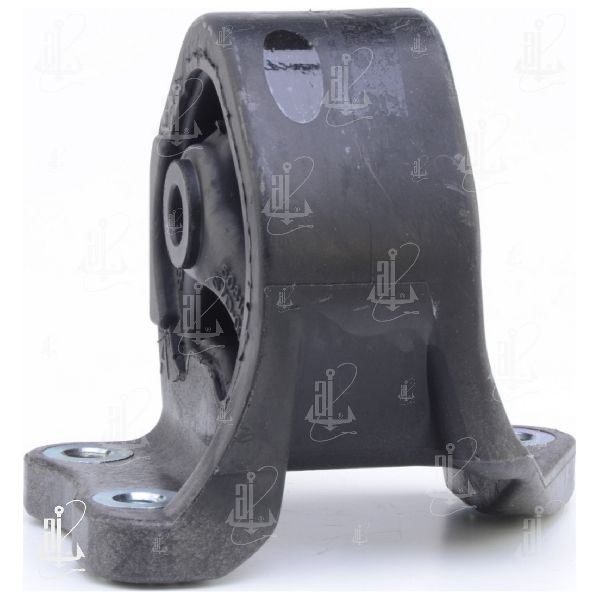
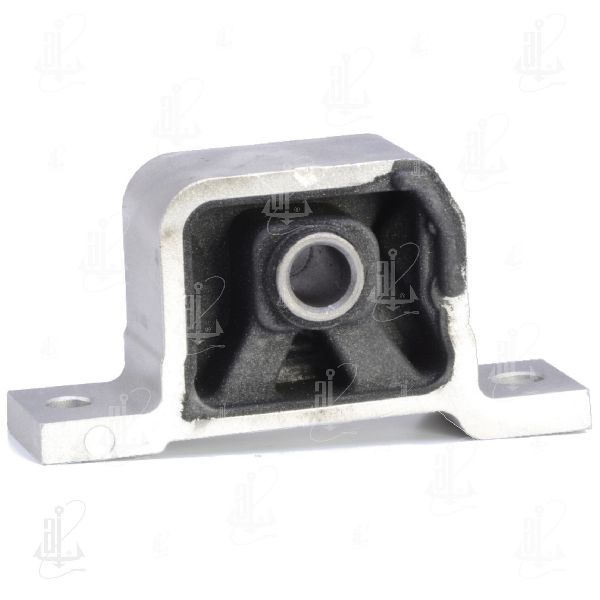
Some of your CR-V's original mounts are hydraulic (fluid-filled) to effectively dampen vibrations. Cheaper aftermarket replacements are often just solid rubber. While a solid rubber mount will fit, it will not absorb vibrations as well, leading to a rougher ride. Brands like Beck Arnley often specify if their mount is hydraulic to match the original design.
Estimated Replacement Costs
| Part Type | Estimated Cost (Part Only) | Notes |
|---|---|---|
| New OEM | $100 - $160+ (per mount) | Best fit, ride quality, and longevity. |
| New Aftermarket (Premium) | $40 - $85 (per mount) | Good balance of quality and price (e.g., Beck Arnley). |
| New Aftermarket (Economy) | $15 - $40 (per mount) | Low cost, but higher risk of vibration and early failure (e.g., Anchor, DEA). |
| Shop Labor | $100 - $250 | Varies by shop rate and which mount is being replaced. |
Frequently Asked Questions (FAQ)
How many engine mounts does a 1997-2002 CR-V have?
The first-generation CR-V has a total of five mounts for the engine and transmission assembly on manual transmission models. Automatic models have a similar setup. They are typically located on the driver's side, passenger side, front, and rear, plus a transmission mount.
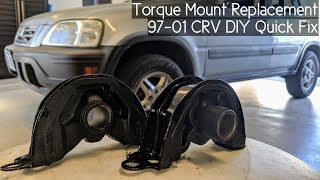
🎬 Watch: Step-by-step guide to replacing the front engine torque mount.Is it okay to replace just one bad mount?
Yes, you can replace only the failed mount. However, mounts tend to wear out at a similar rate. If one has failed, the others are likely not far behind. Replacing them as a set can save you on future labor costs and ensure the engine is evenly supported.
Is buying an OEM Honda mount really worth the extra cost?
For rubber components like engine mounts, many experienced Honda owners and mechanics say yes. OEM mounts are proven to provide the best vibration control and last the longest. If you are sensitive to vibrations and want a smooth, quiet ride, the extra cost for OEM is often justified over economy aftermarket brands.
Can I mix and match different brands of mounts?
Yes. A common strategy for CR-V owners on a budget is to use a high-quality OEM or Beck Arnley mount for the most critical locations (like the main side mounts) and potentially use a less expensive brand for a torque strut or lower mount. Some owners have found success mixing aftermarket mounts with an OEM rear mount to balance cost and vibration.
Helpful Videos
Technical Specifications
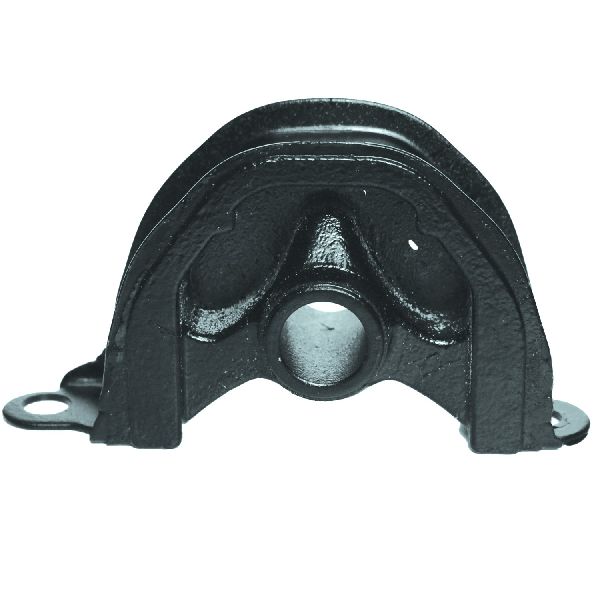
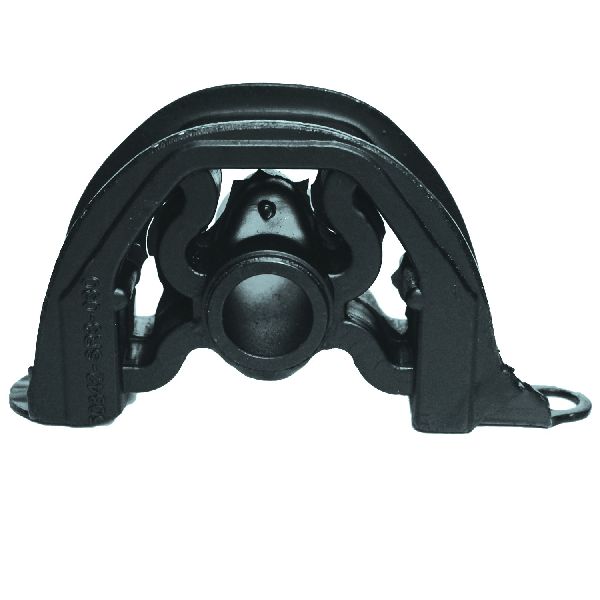
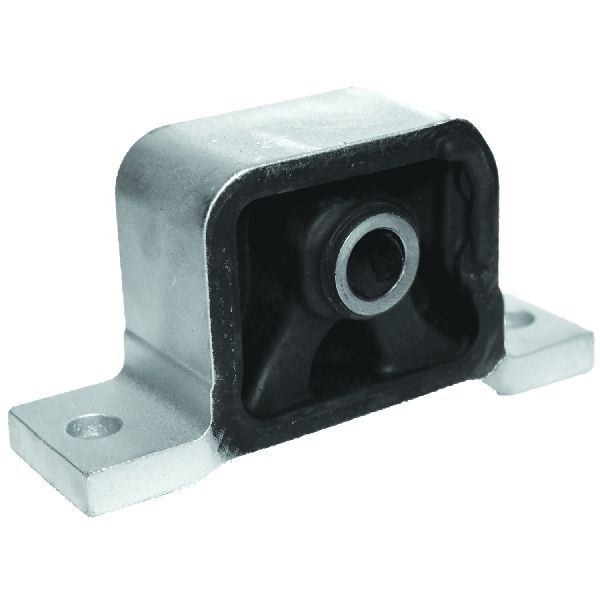
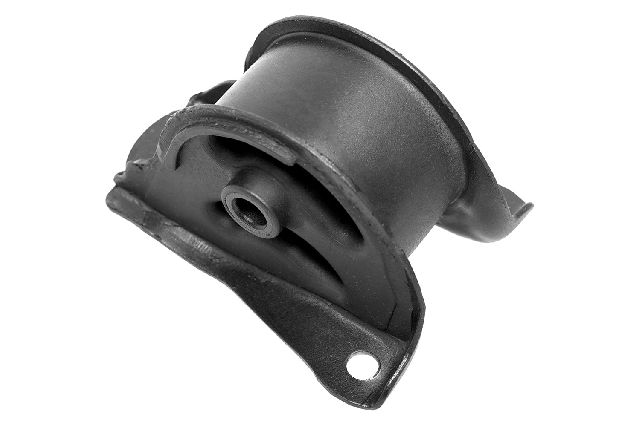
OEM Part Numbers: 50841-SR3-984 50810-ST7-000 50821-S9A-013
The 1997-2002 Honda CR-V uses a set of multiple mounts, including hydraulic and solid rubber designs, to secure the B-series engine and transmission to the unibody chassis. Key locations include front, rear, driver side (left), and passenger side (right).
We Have This Part in Stock

The information in this article is provided for general reference and educational purposes only. Vehicle specifications, procedures, and part compatibility can vary by production date, trim level, and region. Always consult your vehicle's factory service manual and verify part numbers before purchasing or performing repairs. Safety-critical components such as airbags, seat belts, and braking systems should be installed by a qualified professional.
- Honda CR-V:
- 🎬 Helpful Videos
- 🛍️ Shop This Part
- Symptoms of a Failing Engine Mount
- Known Issues & Recalls
- Choosing the Right Aftermarket Mount
- Tier 1: Best Aftermarket Alternative
- Tier 2: Economy Brands
- Specialty Option: Performance Inserts
- A Note on Hydraulic Mounts
- Estimated Replacement Costs
- Frequently Asked Questions (FAQ)
- 🎟️ Get 5% Off