

Acura CL Catalytic Converter Replacement Guide (1997-2003)
Understand the symptoms of a failing catalytic converter and how to choose the right aftermarket replacement for your Acura CL.
- Always diagnose the root cause of a P0420 code before replacing the converter; a new part can be damaged by an existing engine problem.
- For the 1997-2003 Acura CL, a direct-fit aftermarket converter is a cost-effective alternative to an expensive OEM part.
- Check your state's laws to see if you need a Federal (EPA) or more expensive CARB-compliant converter.
- Expect rusted bolts during replacement; what seems like a simple bolt-on job can become more difficult.
Is Your Acura CL Catalytic Converter Failing?
A bad catalytic converter can cause serious problems for your Acura CL, from failing an emissions test to significant engine performance issues. The most common sign of a problem is the Check Engine Light, often with a P0420 trouble code. This code means the converter's efficiency is below the required level. You might also notice your engine feels sluggish, gets worse gas mileage, or you might smell a rotten egg or sulfur odor from the exhaust. In severe cases, a completely clogged converter can cause so much backpressure that the engine stalls or refuses to run properly. A rattling noise from under the car can also indicate that the internal honeycomb structure of the converter has broken apart.
Don't Ignore a P0420 Code
While a P0420 code is the most common indicator of a failing catalytic converter, it can sometimes be caused by other issues. These include a bad oxygen sensor, an exhaust leak, or an engine that is burning oil or running too rich. Always diagnose the root cause of the failure before replacing the converter. A new converter can be quickly ruined if the underlying engine problem is not fixed.
Choosing the Right Aftermarket Converter
When replacing the catalytic converter on your Acura CL, you have a choice between very expensive OEM parts and more affordable aftermarket options. For an older vehicle, an aftermarket converter is often the most practical choice. However, quality can vary significantly between brands. Aftermarket converters are generally categorized as either universal-fit or direct-fit. Direct-fit parts are designed to bolt right into your specific vehicle without any cutting or welding, making installation much easier.
Aftermarket Brand Tiers for Your Acura CL
Based on owner feedback and mechanic recommendations, aftermarket brands can be grouped into tiers:
- Premium Aftermarket (MagnaFlow, Walker): These brands are well-regarded for their quality and durability. MagnaFlow is known for its stainless-steel construction and performance focus, while Walker is a trusted name for OEM-style replacements that fit well. They cost more than budget brands but generally offer better longevity and are less likely to cause future Check Engine Light issues.
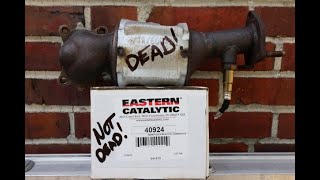
- Mid-Grade & Economy (Eastern Catalytic, AP Exhaust, Evan Fischer): These brands offer a more budget-friendly solution. Eastern Catalytic is often praised for good fitment and value. 🎬 See why Eastern Catalytic is a top-rated OEM replacement option. Brands like AP Exhaust and Evan Fischer provide affordable direct-fit options that meet basic EPA requirements. While they are a cost-effective way to pass an emissions test, they may not have the same lifespan as premium brands.
Check Your Local Emissions Laws
Before buying, verify if your state requires CARB (California Air Resources Board) compliant converters. California and several other states have stricter emissions standards. Federal/EPA-compliant converters are not legal for sale or use in these states. Most aftermarket converters for the 1997-2003 Acura CL are direct-fit and meet Federal EPA standards.
Replacement Cost for 1997-2003 Acura CL
The cost to replace a catalytic converter can vary widely. The part itself is the main expense, but labor costs can also add up, especially if bolts are rusted and difficult to remove.
| Part/Service | Estimated Cost |
|---|---|
| New Aftermarket Converter | $74 - $980 |
| New OEM Converter | $1,700 - $3,400+ |
| Shop Labor | $150 - $400 |
| Total Aftermarket Job | $224 - $1,380 |
Frequently Asked Questions
Why did my original catalytic converter fail?
Catalytic converters are designed to last a long time, often over 10 years. Failure is usually caused by an external factor. Common causes include engine misfires, burning oil or coolant which contaminates the catalyst, or physical damage from road debris. An unresolved engine issue will destroy a new converter quickly.
Is this a difficult DIY job?
For the 2001-2003 Acura CL, the main converter is a direct-fit, bolt-on part. This makes it mechanically simple. However, the biggest challenge is often extreme rust on the exhaust bolts. If the bolts are seized, they may need to be cut off, which requires extra tools and time. If you don't have experience with rusted exhaust components, professional installation is recommended.
Do I need a CARB-compliant converter for my Acura CL?
It depends on where your vehicle is registered. States like California, New York, and Colorado require CARB-compliant converters. Most other states allow for Federal/EPA-compliant converters. Always check your local regulations before purchasing, as installing the wrong type can lead to a failed inspection.
Should I replace the oxygen sensors at the same time?
It's often a good idea. Oxygen sensors work with the converter to monitor emissions. A failing O2 sensor can even cause a P0420 code, mimicking a bad converter. Since you are already working on the exhaust, replacing the downstream (post-cat) sensor is a smart preventative measure, especially on a high-mileage vehicle.
Helpful Videos
Technical Specifications
OEM Part Numbers: 18160-P8F-305 18160-PGE-A00 18160-P8E-L01 18160-P6W-A00 18160-P8A-L00 18160-P8A-A00 18160-P0A-L10
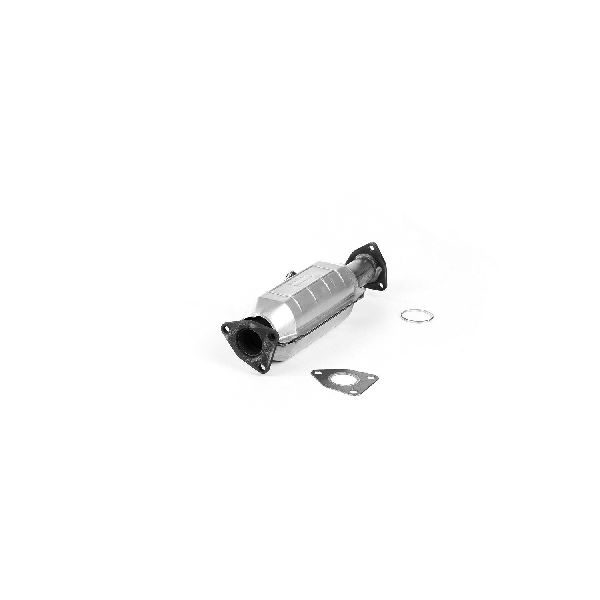
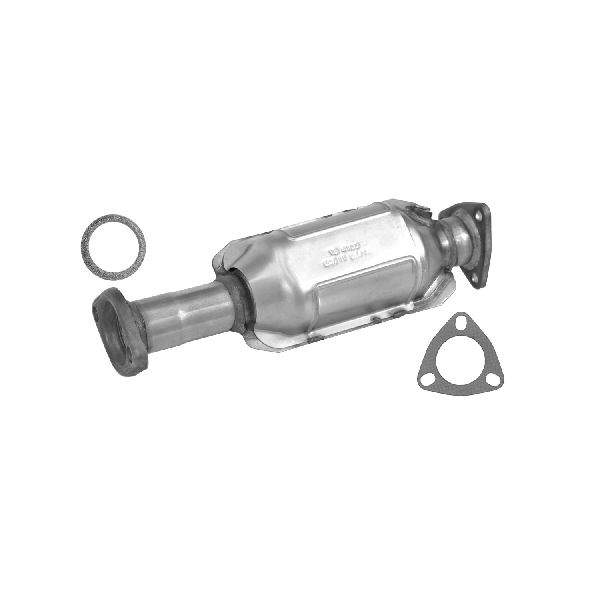
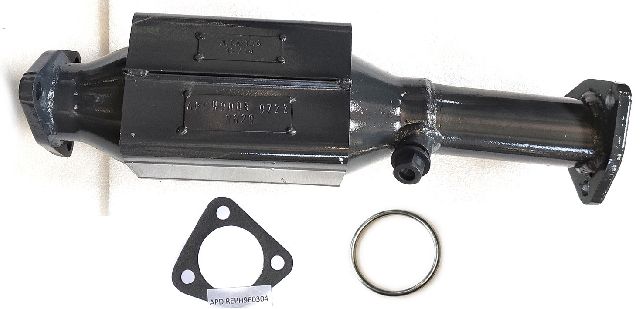
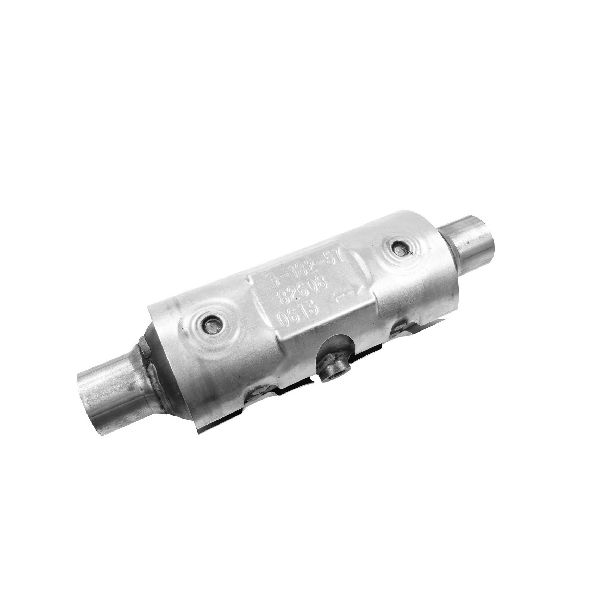
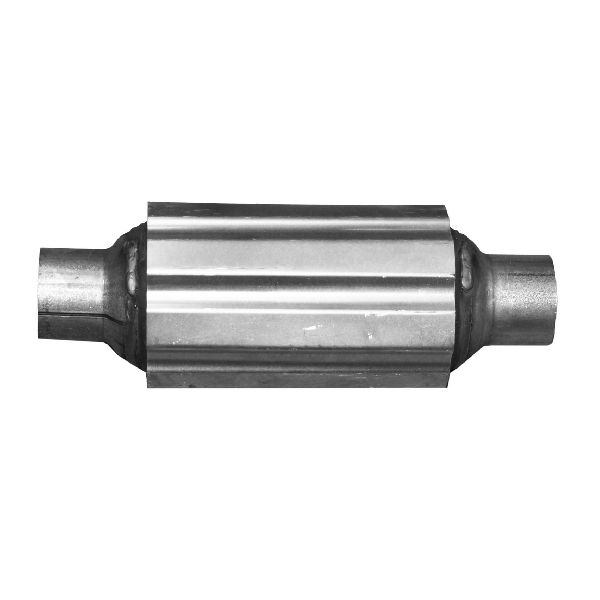
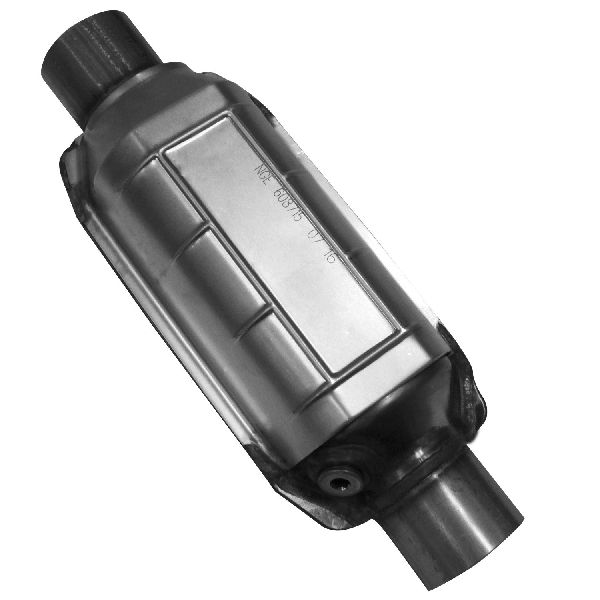
The 1997-1999 Acura CL used a 2.2L 4-cylinder or 3.0L V6, while the 2001-2003 models used a 3.2L V6. The catalytic converter for the V6 models is a direct-fit, bolt-on unit located after the flex pipe. It includes a port for the downstream oxygen sensor. Ensure the replacement part matches your specific engine and model year.
We Have This Part in Stock

The information in this article is provided for general reference and educational purposes only. Vehicle specifications, procedures, and part compatibility can vary by production date, trim level, and region. Always consult your vehicle's factory service manual and verify part numbers before purchasing or performing repairs. Safety-critical components such as airbags, seat belts, and braking systems should be installed by a qualified professional.
- Acura CL:
- 🎬 Helpful Videos
- 🛍️ Shop This Part
- Is Your Acura CL Catalytic Converter Failing?
- Don't Ignore a P0420 Code
- Choosing the Right Aftermarket Converter
- Aftermarket Brand Tiers for Your Acura CL
- Check Your Local Emissions Laws
- Replacement Cost for 1997-2003 Acura CL
- Frequently Asked Questions
- 🎟️ Get 5% Off