

A Ford Mechanic's Guide to the 1997-2004 Expedition Exhaust Manifold Hardware Kit
That ticking noise from your Expedition's engine is likely broken exhaust studs, a common and fixable problem.
- This is a known issue on 1997-2004 Expeditions; the original hardware is prone to failure.
- Always upgrade to stainless steel or high-quality coated hardware, as recommended by Ford's own TSB.
- Plan to replace all studs and the exhaust manifold at the same time for a permanent repair.
- This is a very difficult DIY job due to the high likelihood of breaking studs, making professional repair the recommended route.
The Notorious Ford Triton Ticking Noise
If you own a 1997-2004 Ford Expedition, you're driving a tough, capable truck. But the 4.6L and 5.4L Triton V8 engines are famous for a specific issue: broken exhaust manifold studs. This problem almost always starts with a faint ticking or tapping sound when the engine is cold. The noise often quiets down or disappears completely as the engine warms up and the metal expands, temporarily sealing the leak. This ticking is the sound of exhaust gas escaping from a gap between the manifold and the engine head, caused by one or more broken studs.
Why Do Expedition Exhaust Studs Break?
The original factory hardware on these trucks is known to be a weak point. The constant heating and cooling of the engine causes the metal studs to expand and contract, which eventually weakens them. Combined with moisture and road salt, especially in rust-belt climates, the steel studs corrode, seize in the aluminum heads, and eventually snap under the stress. The studs at the rear of the manifold, which get the hottest, are usually the first to break.
OEM vs. Aftermarket Hardware: An Honest Assessment
This is one of the rare cases where aftermarket parts can be a significant upgrade over the original factory design. Ford even acknowledged the issue with Technical Service Bulletin (TSB) 09-22-8, which applies to the 1997-2004 Expedition. The TSB recommends replacing the original studs and nuts with new, stainless steel hardware to prevent the problem from happening again.
- OEM-Style (Standard Steel): Replacing with standard steel hardware is a temporary fix. The same issues of heat cycling and corrosion will likely cause them to fail again.
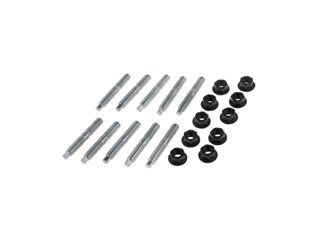
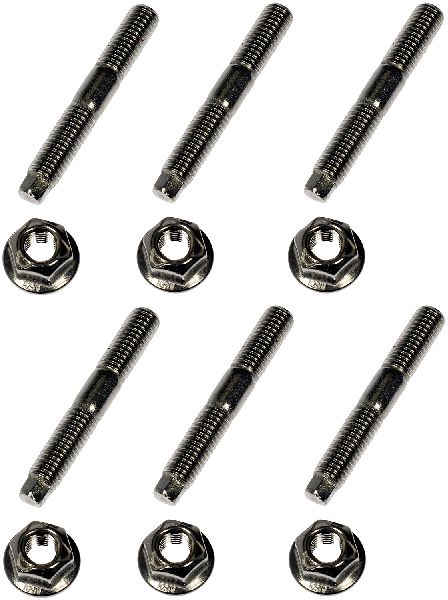
- Aftermarket (Upgraded): High-quality aftermarket kits from brands like Fel-Pro or Dorman (Motormite) often use better materials. Look for kits with stainless steel or specially coated hardware. These are more resistant to rust and the extreme temperatures that cause the originals to fail. While Dorman is a common choice, some users have noted their manifolds can have smaller ports than OEM; however, their hardware kits are generally considered a reliable upgrade.
Pro Tip: Always replace all the studs and nuts on the manifold at the same time, not just the ones that are broken. The remaining original studs are likely weakened and will probably break in the future, forcing you to do the job all over again.
Choosing the Right Aftermarket Hardware Kit
When shopping for a new kit, you have a couple of solid aftermarket choices that meet or exceed the original's quality.
Fel-Pro: Known primarily for gaskets, Fel-Pro also produces hardware kits. Their kits often feature coated bolts designed to resist corrosion. They are a trusted name in the sealing industry, and their hardware is a reliable choice for this repair.
Motormite (A Dorman Brand): Dorman is one of the largest aftermarket suppliers and offers multiple hardware kits for this job. They are widely available and generally seen as a better-than-OEM option for this specific problem, especially if you choose their stainless steel or other upgraded hardware.
The most important factor is not the brand name, but the material. Insist on a kit with stainless steel or corrosion-resistant coated hardware to align with Ford's own TSB recommendation for a permanent fix.
| Part | Estimated Cost |
|---|---|
| New Aftermarket Hardware Kit | $21.40 - $39.28 |
| New OEM Upgraded (Stainless) Hardware | $50 - $100+ |
| Exhaust Manifold Gasket | $10 - $25 |
| Shop Labor for Replacement | $600 - $1,500+ |
Cost estimates are approximate and can vary based on location and the complexity of the repair (i.e., how many studs break).
Frequently Asked Questions (FAQ)
Is this a difficult job to do myself?
Yes, this is a very difficult job for a DIY mechanic. While unbolting the hardware is straightforward, the studs almost always break off flush with the aluminum cylinder head. This requires specialized tools like right-angle drills, stud extractors, and sometimes even a welder to remove the broken pieces without damaging the engine head. Most owners find it's worth paying a professional who has experience with this specific repair.
My mechanic quoted a high price. Why?
The high cost comes from labor. Shops know that this job rarely goes smoothly. A quote of $800 to $1,500 is common because mechanics budget time for the high probability of drilling out multiple broken studs, which is a slow and careful process. The parts themselves are not expensive, but the labor to correctly fix the problem is intensive.
Do I need to replace the exhaust manifold too?
It's highly recommended. When the studs break, the manifold is no longer held tightly against the head. The intense heat and pressure can cause the cast iron manifold to warp. Installing new hardware on a warped manifold will not create a proper seal, and the leak will return. Ford's TSB even specifies replacing the manifold along with the hardware.
What are the torque specs for the new hardware?
According to Ford's TSB for the upgraded stainless steel hardware, the specs are critical. First, torque the studs into the cylinder head to 71-115 lb-in (8-13 N.m). Then, torque the nuts onto the studs to 204-239 lb-in (23-27 N.m). It's also a good idea to re-check the torque after a few hundred miles.
Technical Specifications
OEM Part Numbers: W703902-S403 (Stud) W701706-S2 (Nut)
Hardware Material: Stainless Steel Recommended. Stud-to-Head Torque: 71-115 lb-in. Nut-to-Stud Torque: 204-239 lb-in.
We Have This Part in Stock


The information in this article is provided for general reference and educational purposes only. Vehicle specifications, procedures, and part compatibility can vary by production date, trim level, and region. Always consult your vehicle's factory service manual and verify part numbers before purchasing or performing repairs. Safety-critical components such as airbags, seat belts, and braking systems should be installed by a qualified professional.
- Ford Expedition: