

Honda CR-V Automatic Transmission Input Shaft Speed Sensor Guide (1997-2004)
Experiencing harsh shifting or a check engine light in your first or second-generation CR-V? Your input shaft speed sensor could be the culprit.
- A bad input shaft speed sensor on a 1997-2004 CR-V primarily causes harsh shifting and a P0715 check engine light code.
- Replacement is simple, requiring basic tools and less than an hour for a typical DIYer.
- Avoid the cheapest unbranded sensors; choose a reputable aftermarket brand like NGK/NTK or Standard Ignition for reliability.
- Do not confuse this part with the output/vehicle speed sensor (VSS), which mainly affects the speedometer.
Understanding the Input Shaft Speed Sensor in Your CR-V
If your 1997-2004 Honda CR-V has an automatic transmission, it uses two main speed sensors to function correctly: an input sensor and an output sensor. This guide focuses on the input shaft (or mainshaft) speed sensor. Its job is to tell the vehicle's computer how fast the transmission's input shaft is spinning. The computer compares this to the output shaft's speed to ensure shifts are smooth and efficient. A failure of this sensor often triggers the check engine light with code P0715 and causes noticeable shifting problems.
Input vs. Output Sensor: A Common Mistake
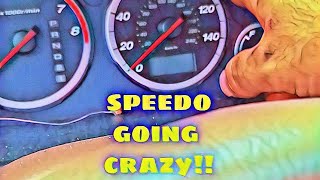
It's easy to confuse the input shaft speed sensor with the output shaft speed sensor (also called the Vehicle Speed Sensor or VSS). The output sensor's failure primarily affects the speedometer and can cause code P0500. The input sensor's failure primarily affects shift quality and triggers code P0715. While they are located near each other on the transmission housing, they are not interchangeable.
Choosing the Right Aftermarket Sensor
When replacing this sensor, you have a choice between OEM (Original Equipment Manufacturer) from a Honda dealer and various aftermarket brands. For a vehicle of this age, a quality aftermarket part offers the best balance of price and reliability.
- Premium Aftermarket (e.g., NGK/NTK): Brands like NTK (the sensor division of NGK) are often original equipment suppliers to many car manufacturers. They are engineered to meet or exceed OE specifications and are known for their reliability. This is a trusted choice for a critical sensor.
- Standard Aftermarket (e.g., Standard Ignition): Companies like Standard Motor Products (SMP) have a long history of producing reliable aftermarket parts. They provide a dependable alternative to the OEM part at a more accessible price point.
- Budget/Unknown Brands: It is best to avoid the cheapest, unbranded sensors found on some online marketplaces. Forum members have reported issues with these parts, including poor fitment that can cause the sensor to be damaged by internal transmission components, and premature failure.
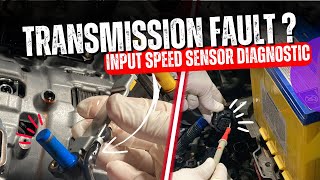
Pro Tip: Before installing the new sensor, take a moment to inspect the wiring harness and connector. Clean away any dirt or corrosion. A poor electrical connection can cause the same symptoms as a failed sensor.
🎬 Watch: How to test the wiring and sensor before buying parts.Cost of Replacing the Input Shaft Speed Sensor
The cost is very reasonable, especially if you do the work yourself. The part is accessible and the replacement is straightforward.
| Item | Estimated Cost |
|---|---|
| New OEM Part | $120 - $175 |
| New Aftermarket Part (NGK, Standard Ignition) | $82 - $93 |
| Shop Labor (0.5-1.0 hours) | $60 - $150 |
| DIY Total (Aftermarket Part) | $82 - $93 |
| Shop Replacement (Aftermarket Part) | $142 - $243 |
Frequently Asked Questions (FAQ)
Where is the input shaft speed sensor located on a 1997-2004 CR-V?
The sensor is mounted externally on the automatic transmission housing. On both first-generation (1997-2001) and second-generation (2002-2004) models, you can typically find it by first locating the air filter box and intake tube. Access often requires removing the air intake assembly. The input and output sensors are near each other, so be sure to match your new part to the old one you are replacing.
Can I replace this sensor myself?
Yes, this is a very DIY-friendly job. It typically requires only basic hand tools like a socket set and screwdriver to remove the air intake and the single bolt holding the sensor. The job can usually be completed in under an hour.
🎬 Watch this quick walkthrough for the easiest way to replace it.Are there any recalls for this sensor on the CR-V?
No. Searches of the National Highway Traffic Safety Administration (NHTSA) database did not show any recalls or technical service bulletins (TSBs) specifically for the transmission input shaft speed sensor on the 1997-2004 Honda CR-V.
What does the code P0715 mean?
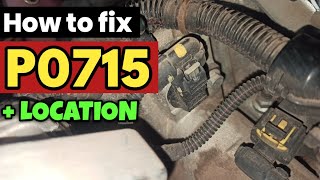
P0715 is a generic diagnostic trouble code that stands for "Input/Turbine Speed Sensor 'A' Circuit Malfunction." This code is set by your CR-V's computer when it detects an incorrect, erratic, or missing signal from the input shaft speed sensor. It directly points to a problem with this sensor or its wiring.
🎬 See this breakdown of what code P0715 means for your car.Helpful Videos

Technical Specifications
OEM Part Numbers: 28810-P7W-004 78410-S10-003 78410-S9A-003 28820-PCJ-014
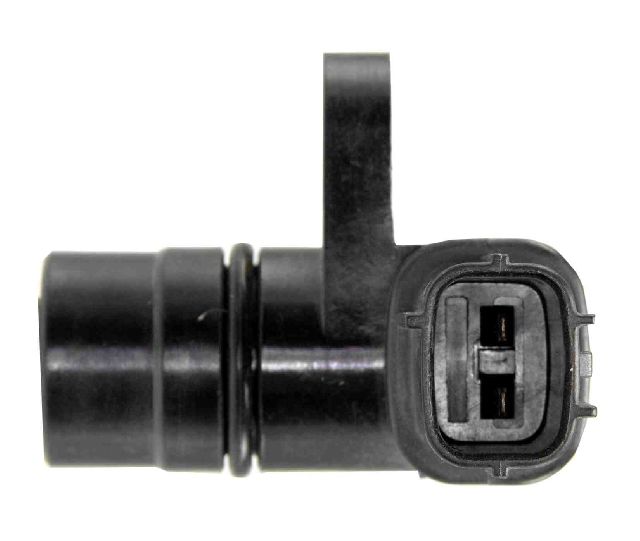
Mounts on the automatic transmission housing. Typically features a 3-prong electrical connector. The specific design differs slightly between 1st Gen (1997-2001) and 2nd Gen (2002-2004) models.
We Have This Part in Stock


The information in this article is provided for general reference and educational purposes only. Vehicle specifications, procedures, and part compatibility can vary by production date, trim level, and region. Always consult your vehicle's factory service manual and verify part numbers before purchasing or performing repairs. Safety-critical components such as airbags, seat belts, and braking systems should be installed by a qualified professional.
- Honda CR-V: