

Brake Caliper Guide for the 1997-2005 Buick Century
Keep your Century stopping smoothly and safely by understanding common caliper issues and how to choose the right replacement.
- Sticking and seizing due to corrosion are the most common caliper problems on the 1997-2005 Century.
- Choose an aftermarket caliper with a protective coating (zinc or powder coat) to combat rust, especially if you live in a winter climate.
- Always replace calipers in pairs (both fronts or both rears) to ensure even braking.
- Replacing the flexible brake hose at the same time is a smart and inexpensive way to prevent future problems.
Understanding Brake Caliper Failure on Your Buick Century
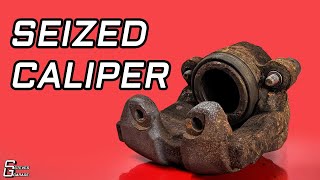
Brake calipers on the 1997-2005 Buick Century, like on many cars of its era, are prone to failure primarily from corrosion and age. Road salt, moisture, and dirt can cause caliper pistons and slide pins to seize or stick. When a caliper piston sticks, it may not release the brake pad from the rotor, causing constant friction. This leads to symptoms like the car pulling to one side, a burning smell, and premature wear of brake pads and rotors. Similarly, seized slide pins prevent the caliper from moving freely, resulting in uneven pad wear, often destroying the inner pad while the outer one looks fine.
Symptoms of a Bad Brake Caliper
Knowing the signs of a failing caliper can help you address the problem before it becomes a critical safety issue. 🎬 Watch: How to diagnose a seized brake caliper Look out for these common symptoms:
- Vehicle Pulling to One Side: When braking or even while driving, a seized caliper can cause the car to pull towards the affected wheel.
- Uneven Brake Pad Wear: If you find one brake pad is significantly more worn than the other on the same wheel, it's a classic sign of sticking caliper slide pins.
- Brake Fluid Leaks: Puddles of fluid near your wheel could indicate a leak from a deteriorating caliper seal.
- Spongy or Soft Brake Pedal: A leak in the system or a compromised caliper can lead to a less responsive brake pedal.
- Grinding or Squealing Noises: While often associated with worn pads, these noises can also be caused by a caliper that isn't releasing properly.
Known Issues and Recalls
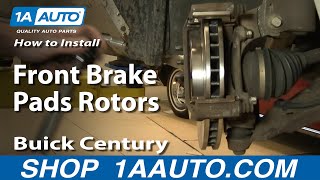
While there are no specific recalls for the brake calipers themselves on the 1997-2005 Buick Century, several Technical Service Bulletins (TSBs) exist for related brake components. TSB #010523011 mentions a rattle-type noise from the front brakes, and TSB #010523006A revises fastener requirements for caliper bracket replacement. 🎬 See this walkthrough for replacing front brakes on your Century An earlier recall (NHTSA ID: 98V016000) on some models involved an ABS motor short that could cause a fire, highlighting the importance of maintaining the entire brake system. Always check for open recalls or TSBs for your specific vehicle.
Choosing the Right Aftermarket Caliper
Since new OEM calipers for this vehicle may be difficult to source, the aftermarket offers many quality options. These can be grouped into tiers based on quality, features, and price.
Economy/Standard Remanufactured:
Brands like Cardone and BBB Industries are major players in the remanufactured market. They offer a cost-effective solution by rebuilding original caliper cores with new seals and hardware. While generally reliable for daily driving, quality can sometimes be inconsistent. These are a good budget-friendly choice.
Premium New & Remanufactured:
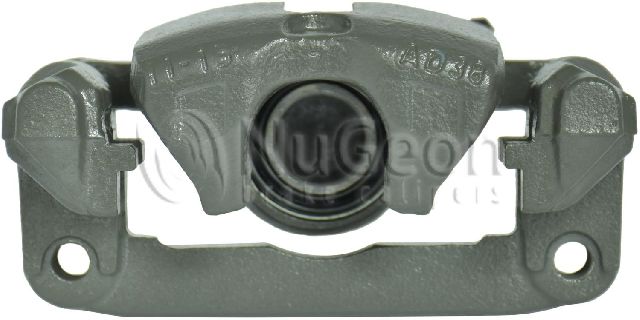
Centric, Raybestos, and Dynamic Friction are well-regarded brands that offer both new and premium remanufactured calipers. They often feature superior corrosion-resistant coatings (like zinc plating or powder coating) which is a significant advantage in areas with road salt. Raybestos Element 3 and Dynamic Friction calipers are often recommended for their durability. These brands provide a balance of excellent quality and reasonable price, often meeting or exceeding OEM standards.
Performance/Upgraded:
Powerstop is known for performance-oriented brake components. Their calipers are typically powder-coated (often in red) for appearance and corrosion resistance and are sold as part of complete brake job kits. While you may not need the high-performance aspect for a daily driven Century, the durable coating is a major benefit.
Pro Tip: Coated is Better
For a vehicle like the Century that is susceptible to rust, choosing a caliper with a protective coating (powder coat or zinc plating) is highly recommended. Brands like Powerstop, Cardone (Ultra line), Raybestos (Element 3), and Dynamic Friction offer coated options that will resist corrosion and keep the calipers looking and performing well for longer.
Estimated Costs for Caliper Replacement
| Part Type | Estimated Cost (per caliper) |
|---|---|
| New Aftermarket Caliper | $56.00 - $171.60 |
| Remanufactured Aftermarket Caliper | $50 - $120 (plus core charge) |
| Professional Installation (Labor) | $100 - $200 per caliper |
Note: Prices are estimates and can vary based on location, brand, and specific vehicle configuration. Most remanufactured calipers require a "core charge" that is refunded when you return your old caliper.
Frequently Asked Questions (FAQ)
Should I replace brake calipers in pairs?
Yes, it is highly recommended to replace calipers in pairs (both front wheels or both rear wheels at the same time). This ensures even braking performance and prevents the car from pulling to one side, as a new caliper will have different performance characteristics than an old, worn one.
What is a core charge?
A core charge is a deposit you pay when buying a remanufactured part, like a brake caliper. The charge is refunded to you when you return your old, worn-out caliper to the store. This process allows manufacturers to rebuild and recycle old parts, making them more affordable.
Do I need to replace the brake hose with the caliper?
It is a very good practice to replace the flexible rubber brake hose when you replace the caliper, especially on an older vehicle. Over time, these hoses can deteriorate internally, acting like a one-way valve that traps pressure and causes the caliper to stick. Given the low cost of the hose, it's cheap insurance against having to redo the job.
What's the difference between phenolic and steel pistons?
Calipers can come with either phenolic (a type of plastic composite) or steel pistons. Phenolic pistons do not rust and transfer less heat to the brake fluid, but they can be more brittle. Steel pistons are stronger but can rust and seize if moisture gets past the seals. For most Buick Century owners, either type is acceptable, but calipers with coated pistons or new steel pistons are excellent choices for longevity.
Helpful Videos

Technical Specifications
The Buick Century from 1997-2005 uses single-piston floating calipers for the front wheels. Rear brakes on some models may be drum brakes, so confirm your vehicle's setup before ordering. Calipers are available with either phenolic or steel pistons.
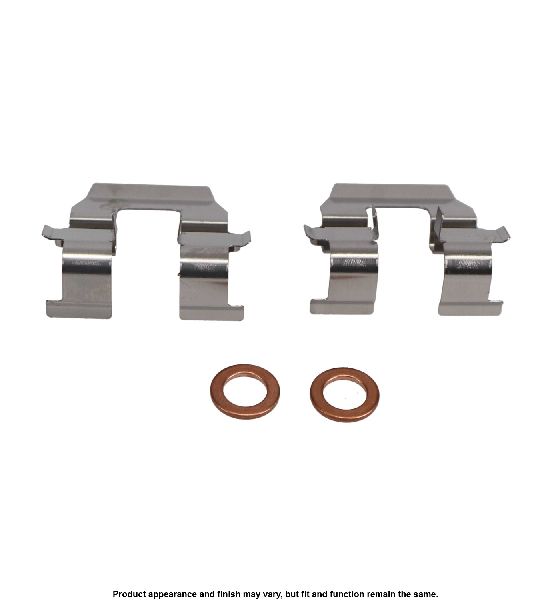
We Have This Part in Stock

The information in this article is provided for general reference and educational purposes only. Vehicle specifications, procedures, and part compatibility can vary by production date, trim level, and region. Always consult your vehicle's factory service manual and verify part numbers before purchasing or performing repairs. Safety-critical components such as airbags, seat belts, and braking systems should be installed by a qualified professional.
- Buick Century:
- 🎬 Helpful Videos
- 🛍️ Shop This Part
- Understanding Brake Caliper Failure on Your Buick Century
- Symptoms of a Bad Brake Caliper
- Known Issues and Recalls
- Choosing the Right Aftermarket Caliper
- Pro Tip: Coated is Better
- Estimated Costs for Caliper Replacement
- Frequently Asked Questions (FAQ)
- 🎟️ Get 5% Off