

BMW 320i (1997-2006) Accessory Drive Belt and Tensioner Guide
Learn to spot the signs of a failing drive belt and why replacing more than just the rubber is critical for your E46 BMW.
- Your BMW 320i has two separate belts: a main accessory belt and an A/C belt; it's best to replace both at the same time.
- For a reliable repair, replace the tensioners and idler pulleys along with the belts as a complete kit.
- Check for oil leaks from the oil filter housing gasket, as dripping oil will destroy new belts and can lead to severe engine damage.
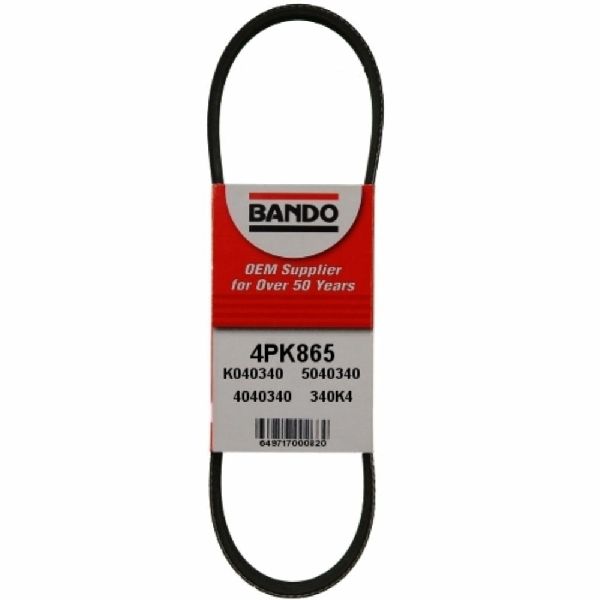
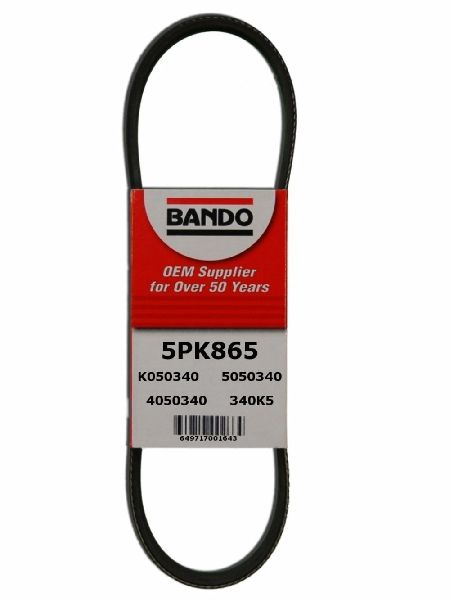
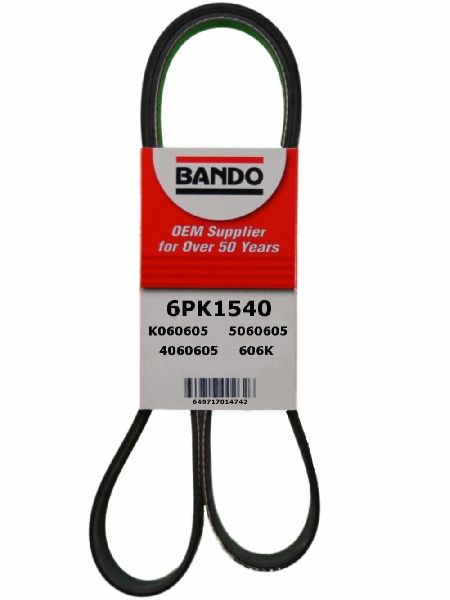
- High-quality aftermarket brands like Bando and Continental offer OEM-level performance for less than dealership prices.
Symptoms of a Failing Accessory Drive Belt
A worn-out drive belt gives clear warning signs before it fails completely. Ignoring them can lead to sudden breakdowns and expensive repairs. Be alert for the following symptoms:
- Squealing or Chirping Noises: This is the most common sign. A high-pitched squeal, especially on a cold start or during acceleration, means the belt is old, hardened, and slipping on the pulleys.
- Visible Wear and Tear: A visual inspection can tell you a lot. Look for cracks, frayed edges, missing ribs, or a smooth, glazed appearance on the belt's surface. Any visible damage means the belt needs immediate replacement.
- Accessory Malfunctions: Since the belts power key systems, you may notice flickering headlights or a battery warning light (alternator), heavy or difficult steering (power steering), or your engine temperature gauge climbing into the red (water pump).
- Poor A/C Performance: If your air conditioning isn't blowing cold, the smaller A/C belt could be slipping or worn out.
Critical Known Issue: Oil Leaks
A very common failure point on these BMW engines is the oil filter housing gasket (OFHG). When it leaks, oil drips directly onto the accessory belts. This oil saturates the rubber, causing it to swell, soften, and slip off the pulleys or shred apart. A shredded belt can get pulled behind the main crankshaft pulley and into the engine through the front crank seal, where it can tangle with the timing chain and cause catastrophic engine damage. If you are replacing your belts, inspect the oil filter housing for any signs of oil leaks and address that first.
Choosing the Right Aftermarket Belt
For the E46 320i, the quality difference between an Original Equipment (OE) belt and a top-tier aftermarket belt is often minimal. Many aftermarket companies are the original suppliers to BMW.
- OEM-Quality Aftermarket (Tier 1): Brands like Continental are Original Equipment Manufacturers (OEM) for BMW. Choosing a Continental belt from an aftermarket retailer often gets you the exact same part that came on your car from the factory, just without the BMW branding and dealership price tag.
- High-Quality Aftermarket (Tier 2): Brands like Bando and Gates are well-respected and produce reliable, long-lasting belts that meet or exceed OEM specifications. Many independent shops and DIY enthusiasts use these brands with confidence. There is no significant quality drop-off when using a reputable brand like Bando compared to an OEM Continental belt.
Pro Tip: Replace Belts, Pulleys, and Tensioners Together
The plastic pulleys and spring-loaded tensioners that guide the belts are also wear items. Their internal bearings fail over time, leading to noise, and a seized pulley or weak tensioner will destroy a brand-new belt. It is strongly recommended to replace both belts, the idler pulley(s), and both belt tensioners as a complete kit to ensure a long-lasting and reliable repair.
Accessory Drive Belt Replacement Cost for 1997-2006 BMW 320i
| Part Type | Estimated Cost |
|---|---|
| New Aftermarket Belts (Bando, etc.) | $15 - $35 (for both belts) |
| New OEM Belts (e.g., Continental) | $50 - $100 (for both belts) |
| Shop Labor | $120 - $250 |
| Complete Aftermarket Kit (Belts, Pulleys, Tensioners) | $120 - $250 |
Cost estimates are approximate and can vary based on location and supplier. Labor costs are for belt replacement only and do not include diagnosing other issues.
Frequently Asked Questions (FAQ)
How often should I replace the accessory belts on my BMW 320i?
A good rule of thumb is to inspect the belts during every oil change and plan for replacement every 4 to 5 years or 50,000 miles, whichever comes first. If you see any cracks, fraying, or hear squealing, replace them immediately regardless of mileage.
Is this a difficult DIY job?
For a home mechanic with a decent set of tools, this is a very manageable job. The most difficult part is often removing the engine's cooling fan and shroud to get clear access. The replacement itself involves using a wrench (typically 16mm or a T50/T60 Torx) to release the tension on each tensioner and slipping the old belts off and new ones on.
Do I need to replace the tensioners and pulleys with the belts?
While not strictly required, it is highly recommended. The tensioners and pulleys on the E46 are known failure points. A worn pulley bearing or weak tensioner can cause a new belt to fail prematurely, forcing you to do the job all over again. Replacing everything at once is the most reliable approach.
What is the difference between the mechanical and hydraulic tensioner?
Early E46 models used a spring-based mechanical tensioner for the main belt, while later models were upgraded to a more robust hydraulic tensioner. The hydraulic unit is considered more reliable and can be retrofitted onto earlier models if you buy a conversion kit.
Technical Specifications
OEM Part Numbers: Main Drive Belt (M54 Engine): 11287636379 A/C Belt (M54 Engine): 11287512762
System Type: Dual belt system (Main Accessory and A/C). Main Belt Tensioner: Mechanical (early E46) or Hydraulic (late E46).
We Have This Part in Stock

The information in this article is provided for general reference and educational purposes only. Vehicle specifications, procedures, and part compatibility can vary by production date, trim level, and region. Always consult your vehicle's factory service manual and verify part numbers before purchasing or performing repairs. Safety-critical components such as airbags, seat belts, and braking systems should be installed by a qualified professional.
- BMW 320i: