

HVAC Heater Control Valve Guide for 1998-2001 Mazda B2500
Everything you need to know before replacing the heater control valve on your Mazda B2500 pickup.
- A failing heater control valve can cause no heat, constant heat, or coolant leaks.
- This is a common failure point; the plastic becomes brittle over time and cracks.
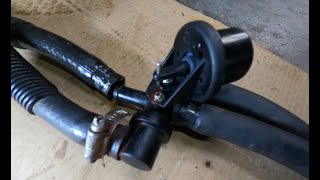
- It is highly recommended to replace the four connected heater hoses at the same time as the valve.
- Motorcraft is the OEM brand and offers the best reliability, while aftermarket brands like Four Seasons are a budget-friendly alternative with potentially shorter lifespans.
Is Your Heater Acting Up? It Could Be the Control Valve
If you're not getting heat, getting heat when you don't want it, or finding coolant puddles under your truck, the heater control valve is a likely suspect. Because the 1998-2001 Mazda B2500 is a sibling to the Ford Ranger, these trucks share the same common issues, and a failing heater control valve is a well-known problem. Failures typically involve the plastic housing cracking from age and heat, or the internal diaphragm failing.
Symptoms of a Bad Heater Control Valve
- No Heat: The most common symptom is no warm air from the vents, even when the engine is fully warmed up. This usually means the valve is stuck closed.
- Heat Always On: If you get hot air blowing from the vents even when the A/C is on, the valve may be stuck open.
- Coolant Leaks: You may notice a sweet smell of antifreeze or see green or orange coolant dripping onto the ground. The valve is a common source for leaks, often from a crack in the plastic body or the actuator shaft.
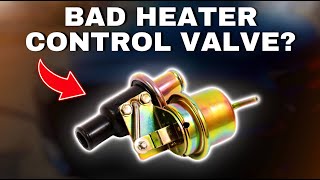
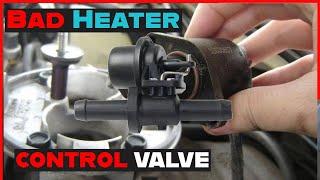
- Fluctuating Temperatures: Air from the vents may switch between hot and cold unpredictably as the valve struggles to operate correctly. 🎬 Watch a detailed breakdown of these symptoms and their causes.
Check Your Hoses!
When replacing the heater control valve, it's critical to inspect the four connected heater hoses. After years of heat cycles, these rubber hoses can become hard, brittle, and "crunchy." Moving them to replace the valve can easily cause them to crack and leak. It is highly recommended to replace all four hoses at the same time as the valve to avoid a second repair job down the road.
🎬 See a real-world example of replacing the valve and hoses.Choosing the Right Aftermarket Part: Brand Tiers
For your B2500, you have a few options that vary in price and perceived quality. Since this part is known to fail, choosing a brand can impact how soon you might have to do the job again.
| Brand Tier | Brand(s) | Quality & Cost Assessment |
|---|---|---|
| OEM | Motorcraft | As the original equipment manufacturer, Motorcraft is considered the benchmark for fit and longevity. While it's the most expensive option, owners who want to "fix it and forget it" often choose Motorcraft to avoid repeated failures that can occur with cheaper aftermarket versions. |
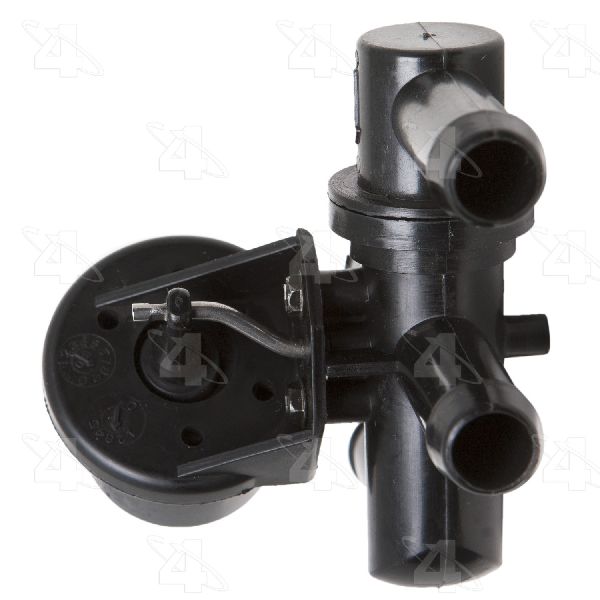
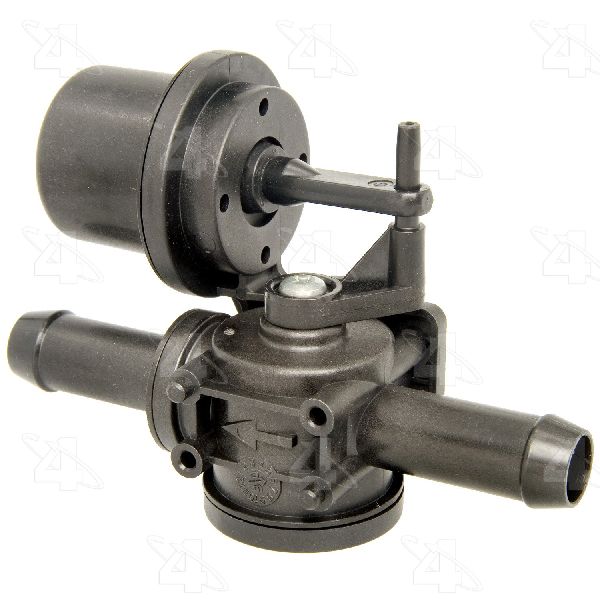
| Premium Aftermarket | Four Seasons | Four Seasons is a widely available and popular aftermarket choice. It offers a significant cost saving over OEM. However, owner experiences are mixed; some report these valves failing or leaking after only a year or two, while others have no issues. It's a budget-friendly option, but may not have the lifespan of the original part. |
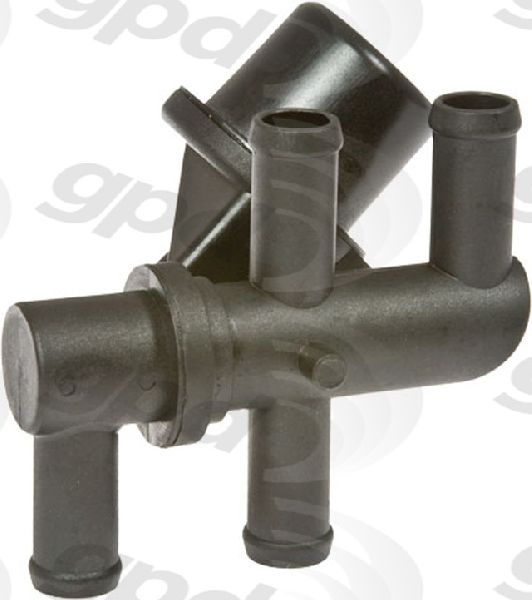
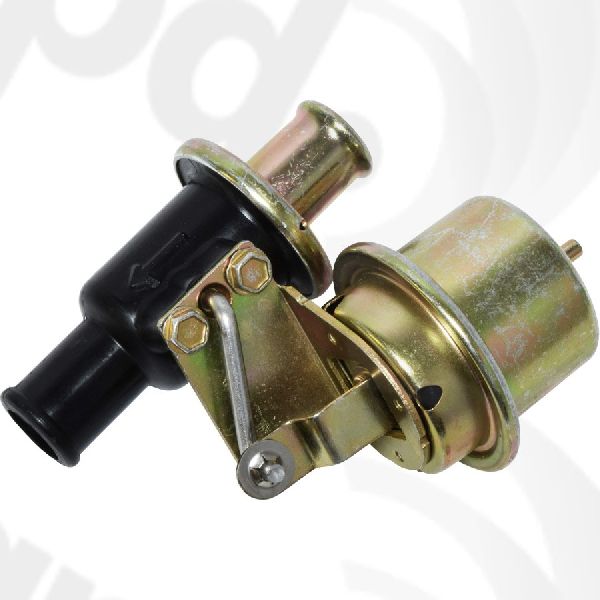
| Standard Aftermarket | Global Parts (GPD), various others | These brands are typically the most affordable. They are designed to match the original's fit and function, but there is less long-term reliability data available from owners compared to Motorcraft or Four Seasons. They can be a good choice for a quick, low-cost repair. |
Pro Tip: The replacement is straightforward for DIYers. You'll need pliers for the hose clamps, a catch pan for coolant, and about an hour of your time. The valve is easily accessible in the engine bay. After replacing it, be sure to top off your coolant and properly bleed any air from the cooling system.
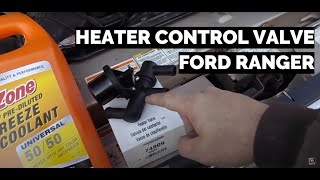
🎬 Follow this step-by-step guide to complete the replacement yourself.Frequently Asked Questions (FAQ)
Is there a recall on the heater control valve for my Mazda B2500?
No, searches of the National Highway Traffic Safety Administration (NHTSA) database and other public records show no specific recalls for the HVAC heater control valve on the 1998-2001 Mazda B2500.
Can a bad heater control valve cause my truck to overheat?
Yes, but only if it causes a significant coolant leak. If the valve cracks and leaks a large amount of coolant, the engine can run low and overheat. The valve malfunctioning internally (stuck open or closed) will not cause overheating on its own.
Why does this part fail so often?
The original and most aftermarket valves are made of plastic. Located in a hot engine bay, years of heat cycles and constant pressure from the cooling system cause the plastic to become brittle and crack. Leaks often start where the hoses connect or at the seam of the valve body.
What is the difference between a 2-port and a 4-port valve?
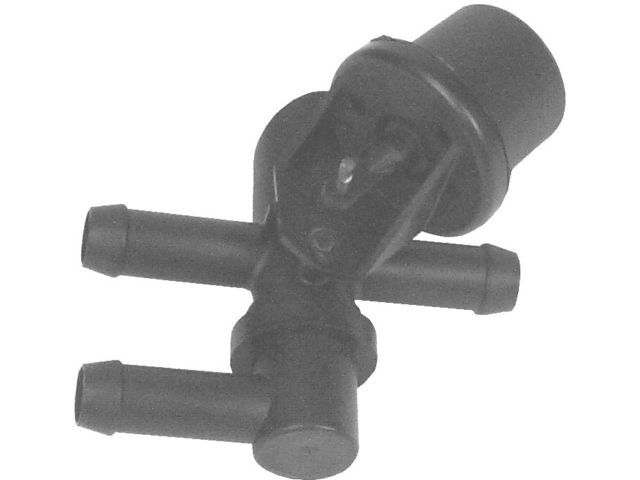
The 1998-2001 Mazda B2500 requires a 4-port bypass valve. This design allows coolant to continue circulating back to the engine even when the valve is closed to the heater core. Using a 2-port valve would block coolant flow, which is incorrect for this system.
Helpful Videos

Technical Specifications
OEM Part Numbers: F87Z-18495-AA YG350 F5TZ-18495-A F4TZ-18495-B
4-Port, Vacuum-Operated, Bypass Style
We Have This Part in Stock


The information in this article is provided for general reference and educational purposes only. Vehicle specifications, procedures, and part compatibility can vary by production date, trim level, and region. Always consult your vehicle's factory service manual and verify part numbers before purchasing or performing repairs. Safety-critical components such as airbags, seat belts, and braking systems should be installed by a qualified professional.
- Mazda B2500: