

Acura CL Ignition Knock Sensor: A Guide for 1998-2003 Models
Address engine pinging and poor performance by understanding your Acura CL's knock sensor.
- The most common failure code is P0325.
- On V6 models, the sensor is under the intake manifold, making replacement labor-intensive.
- Due to the high labor cost for V6 models, use a top-tier brand like NGK/NTK or Delphi to avoid repeat repairs.
- Always inspect the wiring harness for damage from heat or rodents before replacing the sensor.
Is Your Acura CL Knock Sensor Failing?
A bad knock sensor can cause noticeable problems with how your car drives. Because its job is to protect the engine, the car's computer will play it safe when the sensor's signal is gone. This often results in poor performance.
Common Symptoms
- Check Engine Light: This is the most common sign. The computer will store a trouble code, most often P0325, which points to a malfunction in the knock sensor circuit.
- Reduced Power and Acceleration: Your car's computer may retard ignition timing to prevent potential damage, making your CL feel sluggish.
- Engine Pinging: You might hear a metallic pinging or rattling sound, especially when accelerating or going uphill. This is the engine knock that the faulty sensor is failing to detect and correct.
- Worse Fuel Economy: With the engine not running at its optimal timing, you may notice you're filling up the tank more often.
Check the Wiring First
Before replacing the sensor, inspect the wiring harness that connects to it. On Acura engines, this wire is a known target for rodents and can also become brittle and crack from age and heat. A damaged wire will trigger a P0325 code even if the sensor itself is fine.
Choosing the Right Aftermarket Knock Sensor
For a part that is labor-intensive to replace on V6 models, choosing a quality brand is critical to avoid doing the job twice. While OEM is always a safe bet, several aftermarket brands offer excellent quality and reliability.
Brand Quality Tiers for Acura CL
- OEM-Equivalent Brands (Highest Recommendation): These brands are often original equipment suppliers to Honda/Acura and other Japanese automakers. They offer the best fit and reliability outside of a genuine Acura box.
- NGK / NTK: NTK is the sensor division of NGK. They are a top choice for Japanese vehicles and widely trusted for their quality.
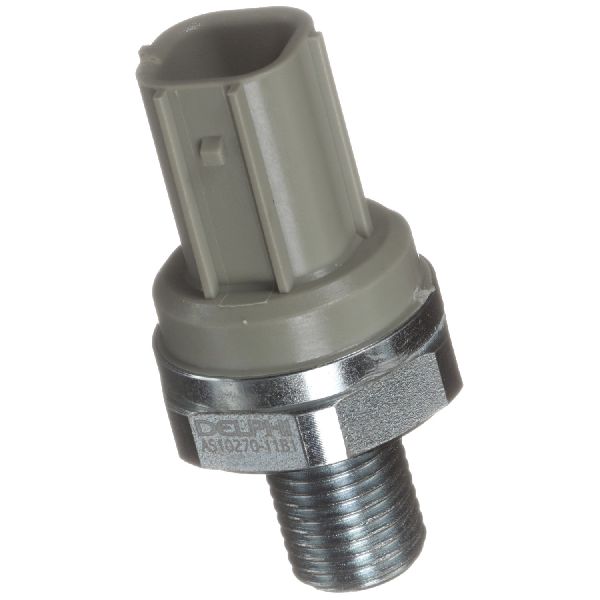
- Delphi: A major OEM supplier with a strong reputation for reliable electronic components.
- Quality Aftermarket Brands (Solid Choice): These brands are well-regarded in the industry and offer a good balance of price and performance.
- Standard Ignition (SMP): A long-standing company known for producing dependable aftermarket parts.
- Beck Arnley: This brand often sources parts from various manufacturers, sometimes even re-boxing the original OEM part.
- Budget-Friendly Brands (Use with Caution): While the low price is tempting, extreme budget brands found on sites like eBay have a reputation for failing quickly. Given the difficult replacement on V6 models, saving a few dollars on the part could lead to much higher labor costs later. Brands in this category include Walker Products and Global Parts, which are generally more value-focused.
Cost of Replacing the Knock Sensor on a 1998-2003 Acura CL
The cost can vary significantly based on your engine type (4-cylinder vs. V6) due to the difference in labor time.
| Part/Service | Estimated Cost |
|---|---|
| New OEM Sensor | $60 - $90 |
| New Aftermarket Sensor | $32 - $139 |
| Shop Labor | $200 - $450 (V6 models are on the higher end) |
| Total Estimated Cost | $232 - $589 |
A Note on V6 Models
The knock sensor on the 3.0L and 3.2L V6 engines is located in the valley of the engine, underneath the entire intake manifold. This makes the replacement a much bigger job compared to the 4-cylinder engine, where it is more accessible. If you have a V6, it is highly recommended to use an OEM or OEM-equivalent sensor to ensure you won't have to pay for that labor again anytime soon.
Frequently Asked Questions
Where is the knock sensor located on my Acura CL?
For 1998-1999 2.3L 4-cylinder models, the sensor is typically on the back of the engine block. For 1998-2003 V6 models (3.0L & 3.2L), it is located on the engine block under the intake manifold, making it much harder to access.
Can I replace the knock sensor myself?
For a 4-cylinder CL, a DIY replacement is feasible for someone with moderate mechanical skill. For a V6 model, the job requires removing the intake manifold and is considered difficult and time-consuming. If you are not experienced, it is best left to a professional.
What is the main difference between OEM and aftermarket knock sensors?
OEM sensors are what your car was built with. High-quality aftermarket brands like NGK/NTK or Delphi are often made to the same specifications and can be just as reliable. The biggest risk comes from cheap, unbranded aftermarket sensors, which are known to have high failure rates and may not perform correctly, leading to persistent codes and performance issues.
What tools are needed to replace the Acura CL knock sensor?
You will need a basic set of metric sockets (10mm, 12mm) and wrenches to remove the intake manifold (on V6 models). The sensor itself typically requires a 24mm or 27mm deep socket for removal and installation. A torque wrench is also recommended to tighten the new sensor to factory specifications, as over-tightening can damage it.
Technical Specifications
OEM Part Numbers: 30530-P8F-A01 (V6 Models) 30530-P5M-013 (4-Cylinder Models)
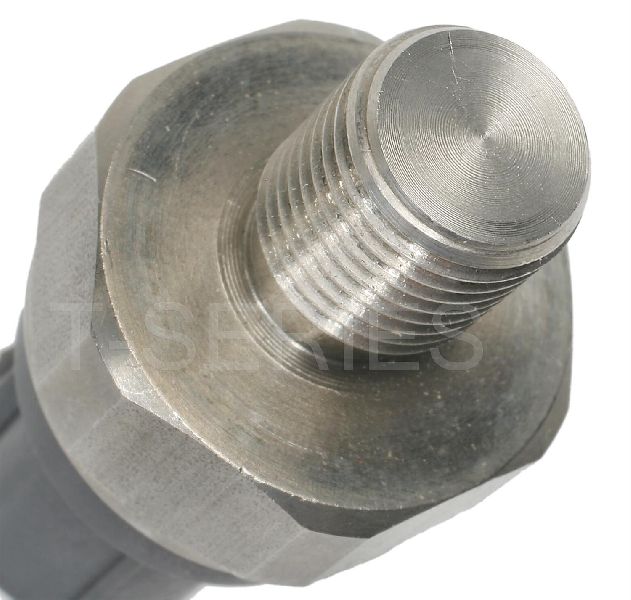
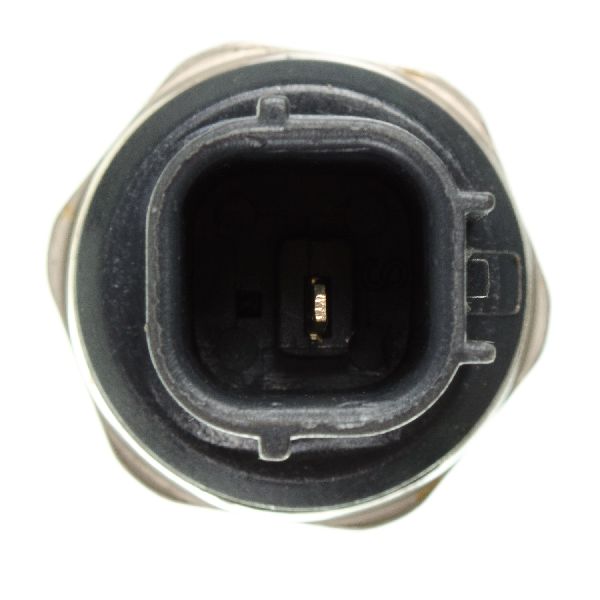
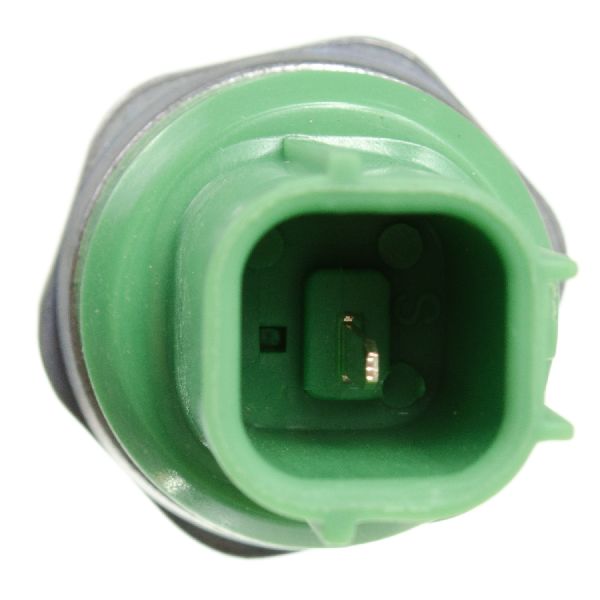
The knock sensor for the Acura CL is a piezoelectric sensor that generates a voltage signal in response to engine block vibrations. It typically uses a single-wire connector on this generation of vehicle.
We Have This Part in Stock


The information in this article is provided for general reference and educational purposes only. Vehicle specifications, procedures, and part compatibility can vary by production date, trim level, and region. Always consult your vehicle's factory service manual and verify part numbers before purchasing or performing repairs. Safety-critical components such as airbags, seat belts, and braking systems should be installed by a qualified professional.
- Acura CL: