

Chevrolet Tracker HVAC Heater Hose Guide (1998-2004)
Keep your Tracker's heating and cooling system reliable by understanding when and how to replace your HVAC heater hoses.
- Heater hose failure is a common issue due to age; symptoms include coolant leaks, overheating, and lack of cabin heat.
- Always replace heater hoses in pairs (inlet and outlet) along with the clamps.
- Reputable aftermarket brands like Gates, Continental, and Dayco offer reliable, vehicle-specific molded hoses.
- Ignoring a leaking heater hose can lead to catastrophic engine damage from overheating.
Symptoms of a Failing HVAC Heater Hose
Heater hoses are wear-and-tear items. Made of rubber, they are exposed to high temperatures and constant pressure, which causes them to degrade over time. For a Chevrolet Tracker, which is now several decades old, inspecting these hoses is a critical part of regular maintenance. Ignoring a failing hose can lead to serious engine damage.
- Coolant Leaks: This is the most obvious sign. You might see puddles of green, orange, or pink fluid under your vehicle, particularly towards the back of the engine bay 🎬 Watch this video to see how to resolve common leaks. near the firewall. A leak could start small at a connection point or come from a crack in the hose itself.
- Visible Hose Damage: Inspect the hoses for cracks, swelling, bulging, or a spongy feeling. Oil leaks can contaminate and soften the rubber, accelerating failure.
- Engine Overheating: A significant leak will lower the coolant level in your system, reducing its ability to cool the engine. If your temperature gauge starts climbing, a leaking hose is a likely culprit.
- Sweet Smell Inside Cabin: A sweet, fruity odor inside the vehicle often means coolant is leaking from the heater core or the hose connections at the firewall. You might also notice your windows fogging up with a greasy film.
- Heater Malfunction: If a hose is clogged or leaking significantly, not enough hot coolant will reach the heater core, resulting in poor or no heat in the cabin.
Choosing the Right Aftermarket Heater Hose
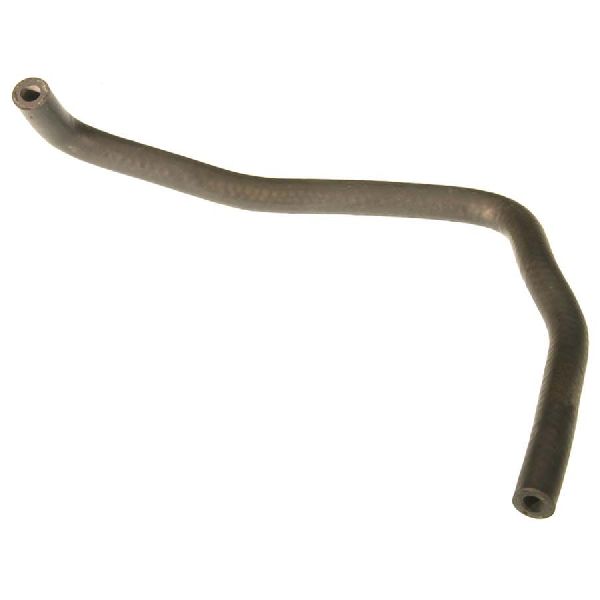
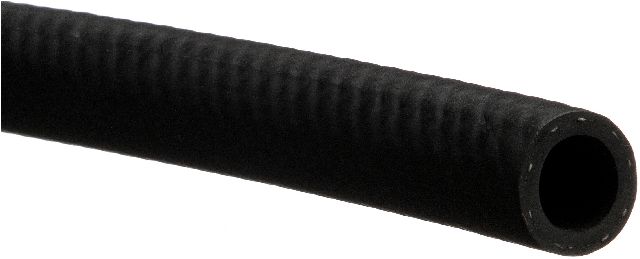
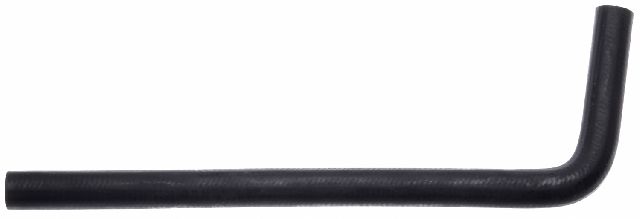
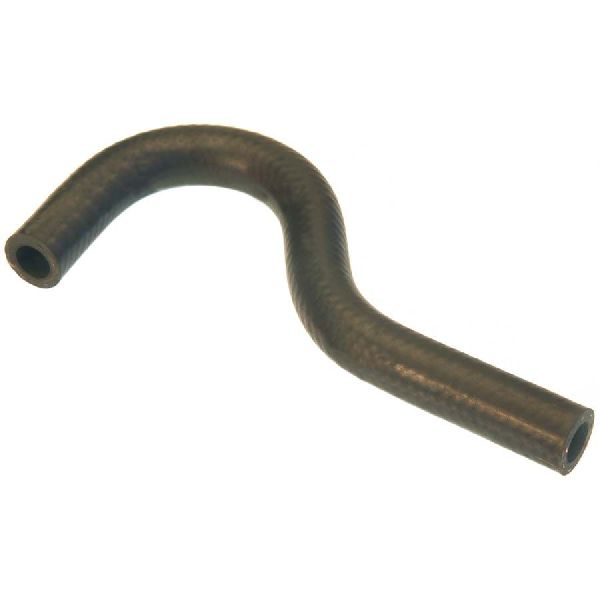
For the 1998-2004 Chevrolet Tracker, OEM parts can be difficult to find. Fortunately, several reputable aftermarket brands produce quality replacement hoses that meet or exceed original specifications. The key is to choose a molded hose designed specifically for your vehicle to ensure proper fitment without kinking.
Brand Quality Tiers
Continental, Dayco, and Gates are all well-regarded manufacturers of automotive hoses. Forum discussions among mechanics show that while all three are considered reliable, there can be slight differences in fit and material thickness.
- Gates: Often considered a top-tier choice, known for excellent cataloging and fitment. Gates hoses are engineered to resist electrochemical degradation, which is a leading cause of hose failure from the inside out.
- Continental (ContiTech): Another premium brand with a strong reputation for quality rubber products. They are often equivalent in quality to Gates.
- Dayco: A solid, reliable choice that is widely available. Some users note that Dayco hoses can occasionally have minor fitment differences compared to the original part, but are generally considered a dependable option.
Estimated Costs for Replacement
Replacing a heater hose is a relatively inexpensive repair, especially if you do it yourself. The main cost is labor if you take it to a shop.
| Part/Service | Estimated Cost |
|---|---|
| New Aftermarket HVAC Heater Hose | $17 - $94 |
| Shop Labor | $100 - $200 |
| Total Professional Replacement | $117 - $294 |
Frequently Asked Questions (FAQ)
Are there any recalls for the 1998-2004 Chevrolet Tracker heater hoses?
No, searches of the National Highway Traffic Safety Administration (NHTSA) database show no recalls or specific technical service bulletins (TSBs) related to the HVAC heater hoses for the 1998-2004 Chevrolet Tracker. Failures are typically due to age and wear.
Can I replace the heater hose myself?
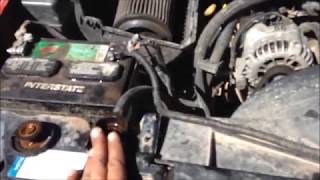
Yes, this is a DIY-feasible job for someone with basic mechanical skills. Access to the hoses near the firewall can be tight. The job involves draining some coolant, removing the old hose clamps and hose, and installing the new parts. Afterward, you must properly refill and bleed the cooling system to remove air pockets.
🎬 Learn how to replace a bypass hose on your Chevy.Should I replace both heater hoses at the same time?
Yes. It is highly recommended to replace both the inlet and outlet hoses simultaneously. Both hoses have been exposed to the same age, heat, and pressure. If one has failed, the other is likely near the end of its service life.
What type of coolant should I use in my Chevrolet Tracker?
Always check your owner's manual or the coolant reservoir cap. Some GM vehicles of this era used a specific long-life coolant (like DEX-COOL, which is typically orange/pink), while others may use conventional green coolant. Never mix different types of coolant, as this can cause gelling and blockages in your cooling system.
Helpful Videos

Technical Specifications
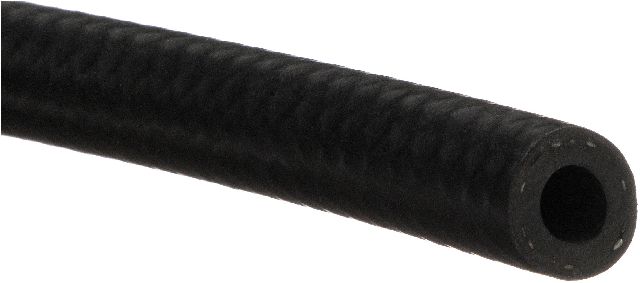
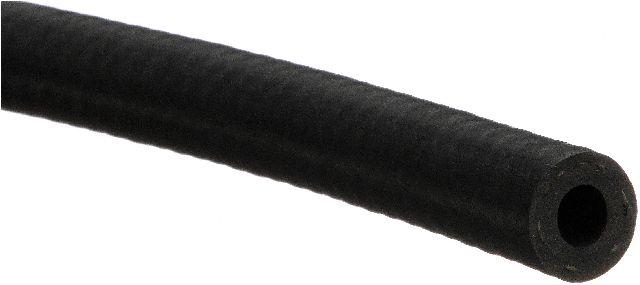
Hoses must be molded specifically for the 1998-2004 Chevrolet Tracker (or Suzuki Vitara/Grand Vitara) to ensure correct routing and prevent kinks. Material should be EPDM rubber to resist heat and electrochemical degradation.
We Have This Part in Stock

The information in this article is provided for general reference and educational purposes only. Vehicle specifications, procedures, and part compatibility can vary by production date, trim level, and region. Always consult your vehicle's factory service manual and verify part numbers before purchasing or performing repairs. Safety-critical components such as airbags, seat belts, and braking systems should be installed by a qualified professional.
- Chevrolet Tracker: