

Dodge Durango Accessory Drive Belt Tensioner Guide (1998-2004)
Hearing squealing or grinding from your engine? Your belt tensioner might be the cause.
- A squealing or grinding noise is the most common sign of a bad tensioner.
- It is highly recommended to replace the serpentine belt and idler pulley along with the tensioner.
- Verify the correct part for your specific engine (3.9L, 4.7L, 5.2L, or 5.9L) as they are different.
- Driving with a bad tensioner is unsafe and can leave you stranded with an overheating engine.
Is Your Durango's Belt Tensioner Failing?
A belt tensioner is a wear item. The internal spring weakens over time and the pulley bearing wears out. When it fails, it gives clear warning signs. Ignoring them can leave you stranded and lead to more expensive repairs.
Common Failure Symptoms
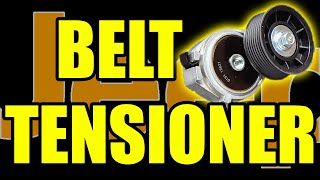
- Engine Noises: The most common sign is a new noise from the engine bay. A high-pitched squeal or chirp, especially at startup, means the belt is slipping. A grinding, growling, or rattling noise points to a bad bearing inside the tensioner's pulley. 🎬 Watch: Top symptoms of a failing drive belt tensioner
- Accessory Problems: You may notice your battery light flickering, headlights dimming, power steering feeling heavy, or the A/C not blowing cold. This happens because the loose belt can't properly power the accessories.
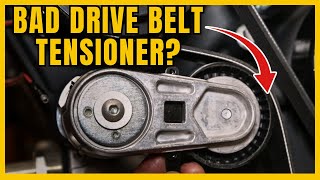
- Visible Wear or Wobble: Look at the tensioner with the engine running. If the pulley is wobbling or the tensioner arm is bouncing around, it's worn out. You might also see the serpentine belt is frayed or cracked from the incorrect tension.
Can You Drive with a Bad Tensioner?
It is not recommended. A failing tensioner can let the serpentine belt come off at any moment. This will cause an immediate loss of power steering, making the truck very hard to steer. The engine will also start to overheat quickly because the water pump will stop working. It's best to pull over safely and shut off the engine to prevent damage.
Choosing the Right Aftermarket Tensioner
For a first-generation Durango, you don't need to buy a dealer part to get good quality. Many aftermarket brands are original equipment (OE) suppliers or offer parts that meet or exceed factory specifications. Here’s a breakdown of common brands.
Premium & OEM-Equivalent Brands
Gates, Continental, Dayco: These brands are widely considered top-tier in the aftermarket. They are often the original manufacturer for many car companies, including Chrysler. Litens is another name to look for, as they are a major OE supplier for Mopar tensioners. Choosing a tensioner from one of these brands will give you reliability and longevity similar to the original part. They use high-quality bearings and durable spring mechanisms designed to last.
Standard & Value Brands
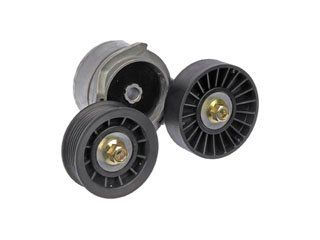
Dorman: Dorman offers a wide range of replacement parts and is often a more budget-friendly option. While their parts can provide good value, for a critical component like a tensioner, spending a little more for a premium brand like Gates or Dayco is often a worthwhile investment for long-term peace of mind.
Pro Tip: Check Your Engine
The 1998-2004 Durango was available with several engines: the 3.9L V6, 4.7L V8, 5.2L V8, and 5.9L V8. The accessory drive belt tensioner is NOT the same for all of them. Always confirm the part fits your specific engine before ordering. The 4.7L V8, for example, uses a different style of tensioner than the 5.2L/5.9L V8s.
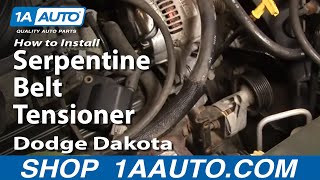
🎬 See this walkthrough for 4.7L V8 tensioner and belt replacementCost of Replacing the Belt Tensioner Assembly
| Part Type | Estimated Cost |
|---|---|
| New Aftermarket Tensioner | $49 - $117 |
| Shop Labor | $75 - $200 |
| Total Estimated Cost | $124 - $317 |
Cost estimates are for the part and labor only and do not include taxes, fees, or related parts like a new belt or idler pulley.
Frequently Asked Questions
Should I replace the serpentine belt and idler pulley at the same time?
Yes, it is highly recommended. The tensioner, idler pulley, and belt all wear out at a similar rate. A worn tensioner can ruin a new belt, and a bad idler pulley can seize and break it. Replacing all three components at once is smart preventative maintenance and ensures the entire system is reliable.
Is this a difficult job to do myself?
No, this is a very DIY-friendly job for most owners. The process involves releasing the belt tension with a wrench, unbolting the old tensioner, and bolting the new one in place. The most common tool needed is a 15mm wrench or a long-handled ratchet. The entire job can usually be done in about an hour.
🎬 Watch: Step-by-step tensioner replacement for 5.2 and 5.9 V8 enginesWere there any recalls for the Durango belt tensioner?
No, there have been no specific recalls or Technical Service Bulletins (TSBs) issued by Dodge or the NHTSA for the accessory drive belt tensioner on the 1998-2004 Durango. Failures are typically due to normal age and mileage.
What is the difference between the tensioner and the idler pulley?
The tensioner is a spring-loaded assembly that applies pressure to the belt to keep it tight. The idler pulley is just a free-spinning pulley that helps guide the belt along its path. Your Durango has one tensioner and may have one or more idler pulleys. It's wise to inspect and replace the idler pulley when you replace the tensioner.
Helpful Videos
Technical Specifications
OEM Part Numbers: 53030958 53032130AA
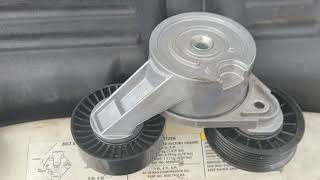
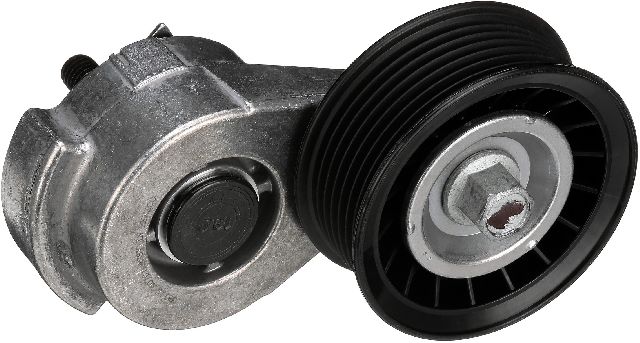
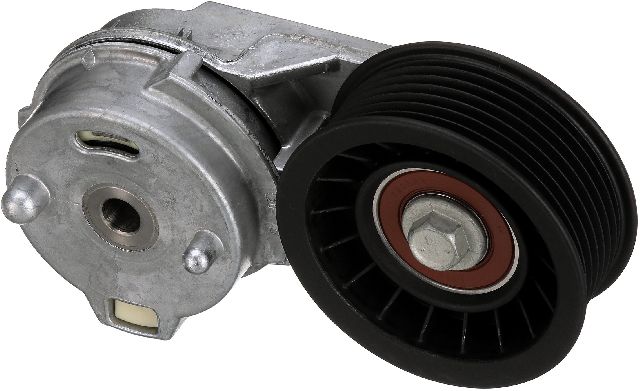
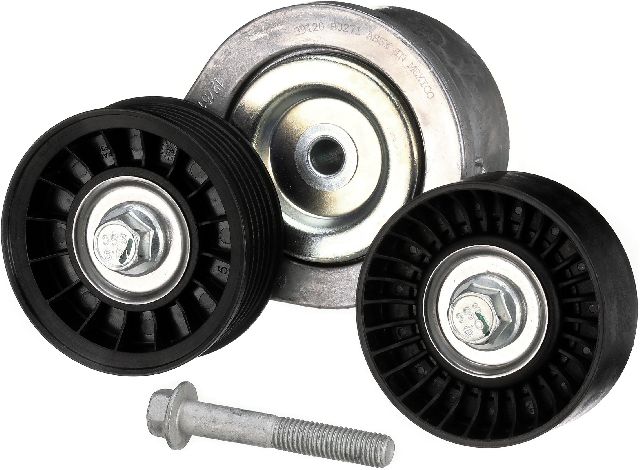
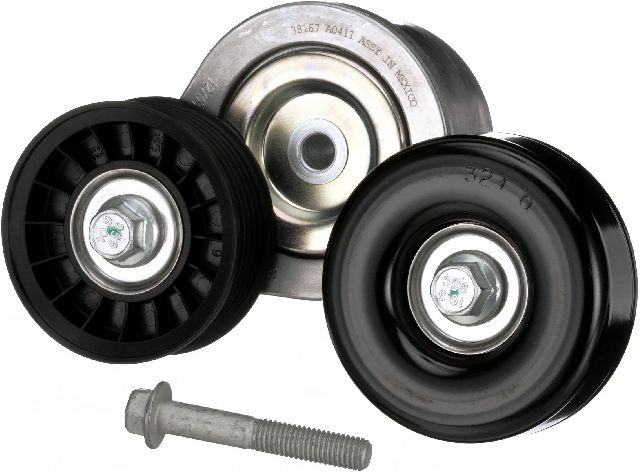
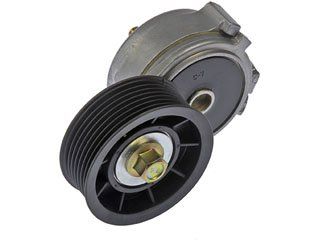
Spring-loaded automatic tensioner assembly with pulley. Design varies based on engine size. The V8 Magnum engines (5.2L/5.9L) and the 4.7L V8 use different parts.
We Have This Part in Stock

The information in this article is provided for general reference and educational purposes only. Vehicle specifications, procedures, and part compatibility can vary by production date, trim level, and region. Always consult your vehicle's factory service manual and verify part numbers before purchasing or performing repairs. Safety-critical components such as airbags, seat belts, and braking systems should be installed by a qualified professional.
- Dodge Durango:
- 🎬 Helpful Videos
- 🛍️ Shop This Part
- Is Your Durango's Belt Tensioner Failing?
- Common Failure Symptoms
- Can You Drive with a Bad Tensioner?
- Choosing the Right Aftermarket Tensioner
- Premium & OEM-Equivalent Brands
- Standard & Value Brands
- Pro Tip: Check Your Engine
- Cost of Replacing the Belt Tensioner Assembly
- Frequently Asked Questions
- 🎟️ Get 5% Off