

Dodge Durango Suspension Control Arms: A Guide for 1998-2004 Models
If your first-gen Durango feels loose, noisy, or wanders on the road, it might be time for new control arms.
- A major safety recall for upper ball joint failure affected 2000-2003 4x4 models, but similar issues are seen on 1998-1999 models.
- Symptoms of failure include clunking noises, steering wander, and uneven tire wear.
- Replacing the entire control arm assembly is the standard repair; look for aftermarket options with greaseable ball joints for better longevity.
- A professional wheel alignment is mandatory after replacement to prevent tire damage and ensure safe handling.
Symptoms of a Failing Control Arm Assembly
When the bushings or ball joint in your Durango's control arm wear out, they can cause several noticeable problems. Ignoring these signs can lead to more expensive repairs and unsafe driving conditions.
Key Failure Symptoms:
🎬 Watch: How to diagnose front end clunks and knocks- Clunking or Popping Noises: You may hear a distinct clunk or pop from the front suspension, especially when going over bumps, turning, or braking. This is often the sound of worn bushings or a loose ball joint allowing metal-on-metal contact.
- Steering Wander: The truck may feel like it's wandering or pulling to one side without you turning the wheel. This happens when worn components can no longer hold the wheel in the correct alignment.
- Uneven Tire Wear: A bad control arm can cause the alignment to be off, leading to rapid and uneven wear on the inside or outside edges of your front tires.
- Vibrations: You might feel vibrations through the steering wheel, especially at higher speeds. This is caused by the wheel assembly wobbling because of loose components.
Known Issues: Upper Ball Joint Recall
A significant issue for this generation of Durango was a safety recall concerning the front upper ball joints. Chrysler issued a recall for 2000-2003 model year 4x4 Dodge Durangos and Dakotas because excessive wear could cause the upper ball joint to separate. This failure could lead to the suspension collapsing and a wheel falling off, potentially causing a complete loss of vehicle control. While the recall specifically covered 2000-2003 models, owners of 1998 and 1999 Durangos have reported similar premature ball joint failures. The original factory ball joints were often non-greaseable, leading to accelerated wear. When replacing your control arms, choosing an assembly with a high-quality, durable ball joint is critical for safety.
Choosing the Right Aftermarket Control Arm
Since Dodge no longer sells the bushings separately for these models, replacing the entire control arm assembly is the standard repair. 🎬 See this step-by-step upper control arm replacement walkthrough Aftermarket parts offer a range of options from budget-friendly to heavy-duty problem solvers.
Pro Tip: Many aftermarket control arms feature greaseable ball joints. These can last longer than the original sealed units if serviced regularly, making them a smart upgrade.
Brand Quality Tiers
Based on owner feedback and brand reputation, aftermarket control arms for your Durango can be grouped into general tiers:
- Premium / Heavy-Duty (Best): Brands like Moog (Problem Solver series) and Mevotech (TTX series) are often considered top-tier. They frequently offer design improvements over the original, such as heavier-duty construction and greaseable ball joints to solve common failure points. These are a good choice if you use your Durango for towing, off-roading, or simply want the most durable part.
- OEM-Equivalent (Better): Brands like Delphi and ACDelco (Professional series) are known for producing parts that meet or exceed original equipment specifications. They provide a good balance of quality and performance for daily driving.
- Standard / Economy (Good): Brands like Dorman, Suspensia, and standard lines from Mevotech offer a cost-effective solution. These are suitable for budget-conscious repairs, but some users report they may not have the same longevity as premium brands.
Cost to Replace Dodge Durango Control Arms
The cost can vary based on the brand you choose and whether you do the work yourself or hire a professional mechanic.
| Item | Estimated Cost |
|---|---|
| New Aftermarket Control Arm Assembly (1) | $62 - $272 |
| Shop Labor (Per Side) | $150 - $350 |
| Total Per Side (Professional Install) | $212 - $622 |
| Wheel Alignment (Required after replacement) | $80 - $150 |
*Prices are estimates and can vary by location and supplier. A wheel alignment is required after replacement to prevent tire wear.
Frequently Asked Questions (FAQ)
Do I need to replace the upper and lower control arms at the same time?
Not necessarily. You should replace the part that has failed. However, suspension components tend to wear at a similar rate. If you're replacing a lower control arm with high mileage, it's a good idea to inspect the upper arm and the components on the other side of the vehicle, as they may also be near the end of their service life.
Is a wheel alignment really necessary after replacing a control arm?
Yes, absolutely. Replacing a control arm directly affects the suspension geometry, including camber and caster angles. Skipping the alignment will cause poor handling and rapid tire wear, wasting the money you just spent on new parts and tires.
Can I just replace the ball joint or bushings?
While it's sometimes possible, it's often not practical. The original upper ball joints on these Durangos were riveted to the control arm, requiring grinding and chiseling to remove. Pressing bushings in and out requires special tools. Given the labor involved and the affordable cost of a complete assembly (which includes a new ball joint and new bushings), replacing the entire unit is the most efficient and common repair.
What is a torsion bar and do I need to worry about it?
The 1998-2004 Durango 4x4 uses torsion bars instead of coil springs for the front suspension. The lower control arm connects to the torsion bar. When replacing the lower control arm, the torsion bar must be safely unloaded. This can be a dangerous step if not done correctly, as the bar is under a great deal of tension. It is recommended to consult a repair manual for the specific procedure. 🎬 Watch: How to safely adjust and handle torsion bars The upper control arm replacement does not typically require unloading the torsion bar.
Helpful Videos
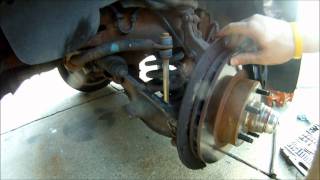
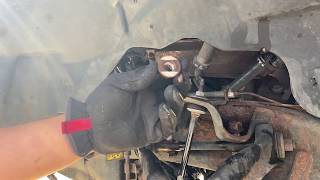
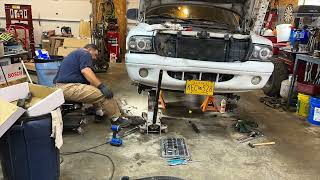
Technical Specifications
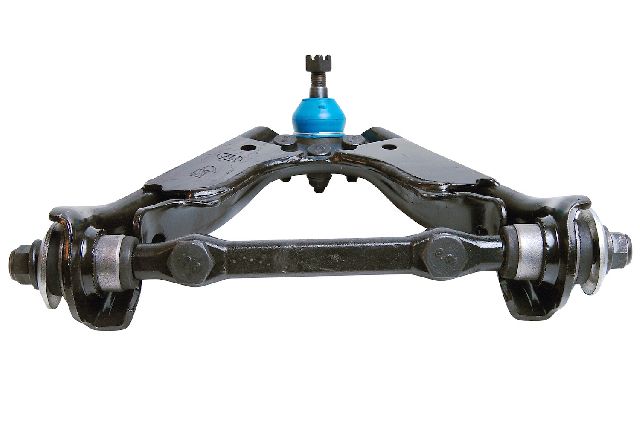
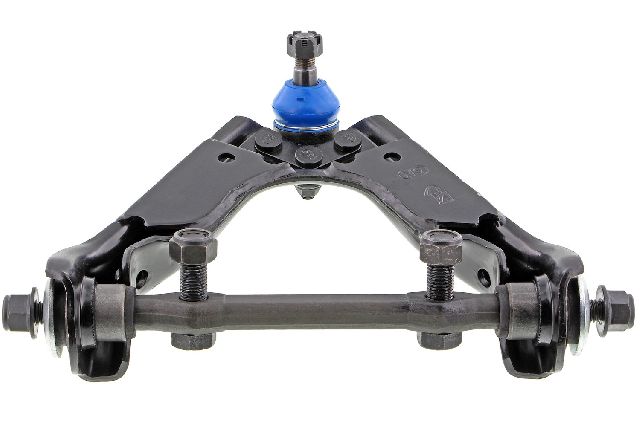
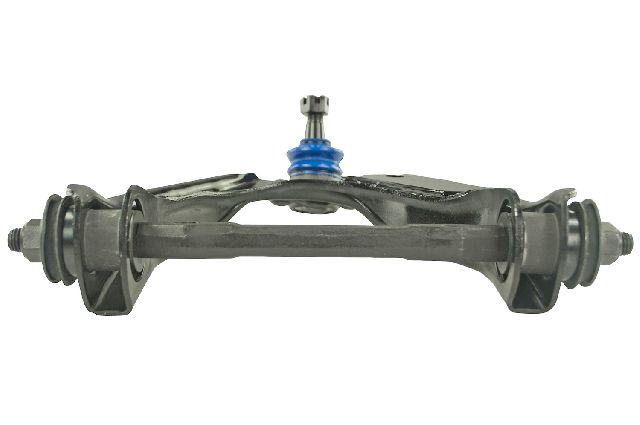
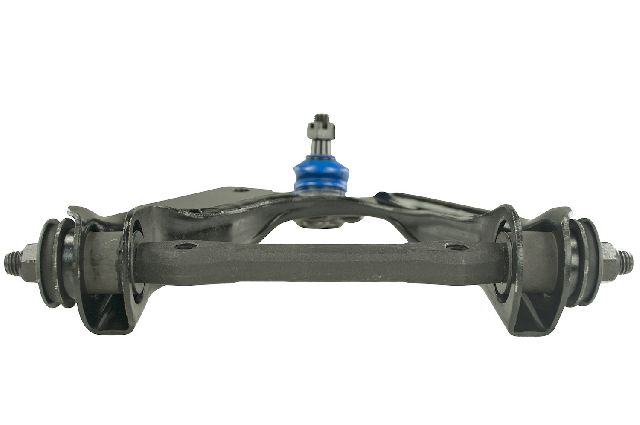
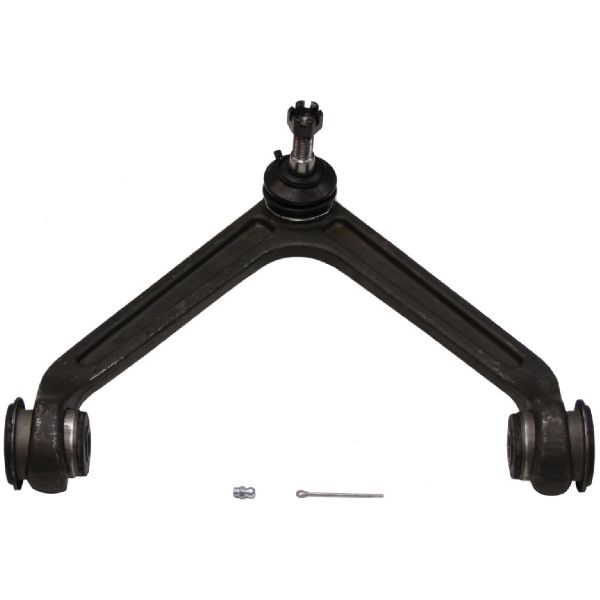
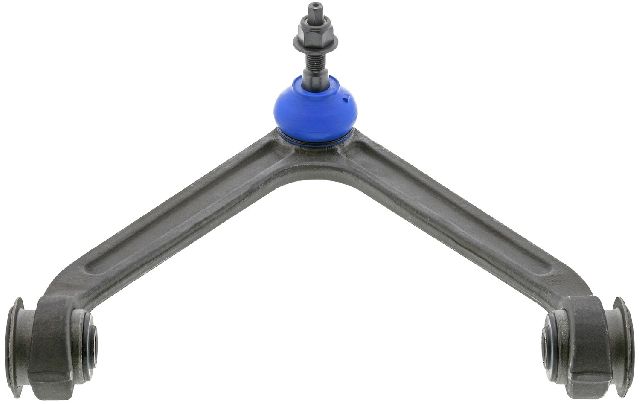
The first-generation Dodge Durango (4x4 models) uses a double-wishbone front suspension with torsion bars instead of coil springs. The upper control arm is a stamped steel A-arm, while the lower arm is a heavier cast iron piece that connects to the torsion bar. The original upper ball joints were often riveted to the arm.
We Have This Part in Stock

The information in this article is provided for general reference and educational purposes only. Vehicle specifications, procedures, and part compatibility can vary by production date, trim level, and region. Always consult your vehicle's factory service manual and verify part numbers before purchasing or performing repairs. Safety-critical components such as airbags, seat belts, and braking systems should be installed by a qualified professional.
- Dodge Durango: