

Ford F-150 Starter Motor Guide for 1998-2004 Models
Everything you need to know before buying a new aftermarket starter for your 10th Generation F-150.
- Always test your battery and check cable connections before replacing the starter.
- A single, loud click is a classic symptom of a failed starter motor on this F-150.
- New aftermarket starters are a reliable and cost-effective option for this truck generation.
- Accessing the top mounting bolt is the most difficult part of the replacement job.
Is Your F-150's Starter Failing?
A bad starter is a common problem that will leave any truck owner stranded. For the 1998-2004 Ford F-150, the signs are usually clear. Before you blame the starter, always make sure your battery is fully charged and the terminals are clean and tight. A weak battery can cause similar symptoms.
Common Symptoms of a Bad Starter:
🎬 Watch: How to diagnose if your starter has failed- Single Loud Click: You turn the key and hear one loud "click" from the engine bay, but the engine doesn't crank. This often means the starter solenoid is engaging, but the motor itself isn't turning.
- No Sound at All: If you turn the key and get silence, the issue could be the starter, but also check the battery, ignition switch, and starter relay.
- Grinding Noise: A grinding or whirring sound during or after cranking can indicate the starter gear isn't meshing properly with the flywheel, or it's not disengaging correctly.
- Slow Cranking: If the engine turns over very slowly, like the battery is weak, it could be a sign of a failing starter motor drawing too much power.
Pro Tip: An old mechanic's trick is to gently tap the starter motor with a hammer or wrench while a helper tries to start the truck. Sometimes, this can temporarily get a failing starter to work one more time, confirming it needs replacement.
Choosing a New Aftermarket Starter
For a 1998-2004 F-150, a new aftermarket starter is a reliable and cost-effective choice. The original starters can last a long time, but after two decades, failures are common. Aftermarket brands offer quality that often meets or exceeds the original specifications.
Brand Tiers Explained:
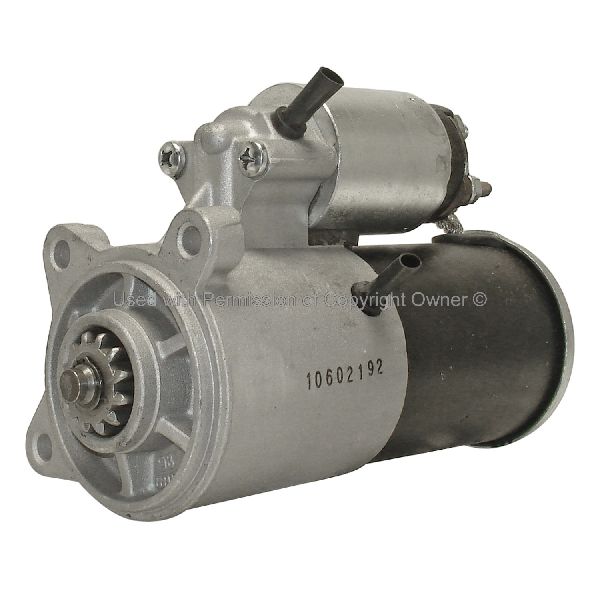
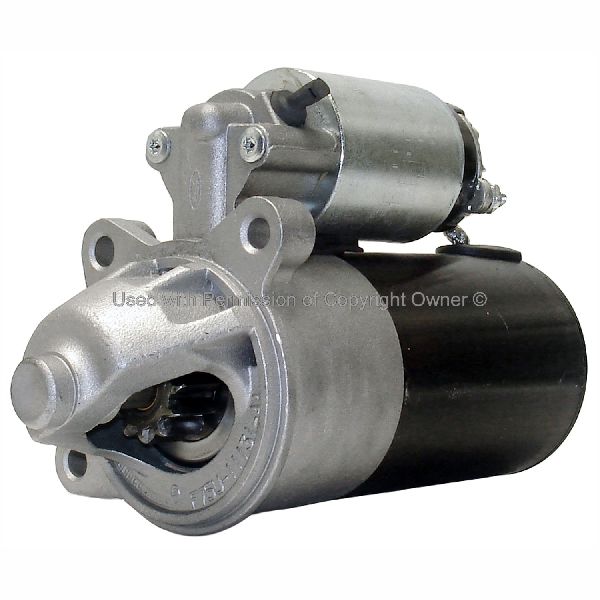
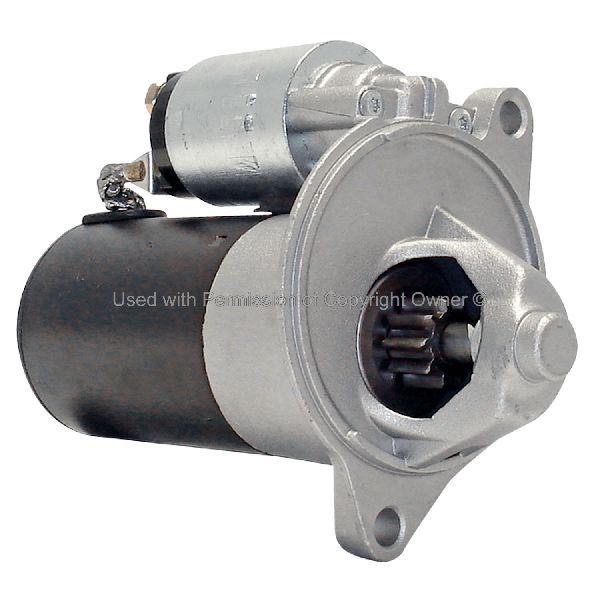
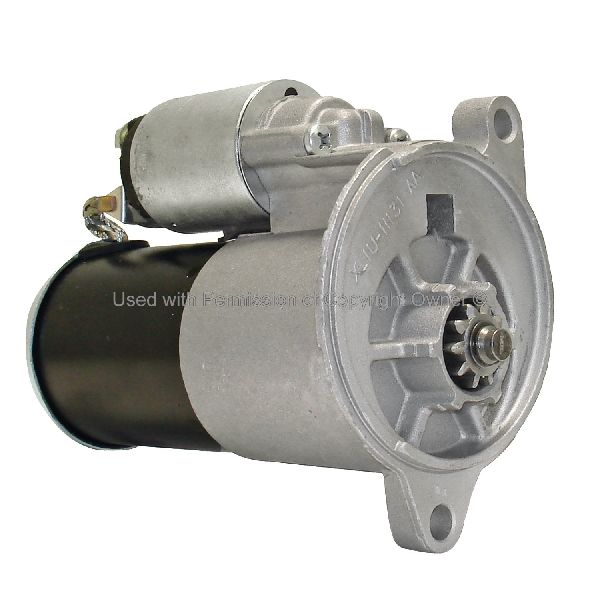
- Standard Replacement (MPA): Brands like MPA (Motor Parts of America) focus on providing quality-built parts that are a direct replacement for the original. They are designed to meet OEM specifications for fit and function, making them a great value for daily drivers.
- High-Torque/Performance (Powermaster, Ford Performance): Brands like Powermaster and Ford Performance offer high-torque, gear-reduction starters. These are smaller, lighter, and provide more cranking power, which is great for trucks with high-compression engines, those used in very cold climates, or for owners who simply want a faster, stronger start. Users often report that high-torque starters spin the engine over noticeably faster. 🎬 See a Powermaster high-torque starter being installed
Cost of Replacing Your F-150 Starter
Starter replacement costs vary based on the part you choose and whether you do the work yourself. The job is possible for a DIY mechanic with the right tools.
| Part/Service | Estimated Cost |
|---|---|
| New Aftermarket Starter | $89 - $163 |
| New OEM Starter | $150 - $250+ |
| Remanufactured Starter | $100 - $180 |
| Shop Labor | $120 - $250 |
Known Issues, Recalls, and TSBs
Searches of the National Highway Traffic Safety Administration (NHTSA) database and for Technical Service Bulletins (TSBs) did not reveal any specific recalls or widespread TSBs for the starter motor itself on the 1998-2004 Ford F-150. Most issues are related to normal wear and tear, corroded cables, or a failing firewall-mounted starter solenoid on some models. Always check for corroded or loose battery and starter cables, as this can cause a no-start condition that mimics a bad starter.
Frequently Asked Questions (FAQ)
Where is the starter located on a 1998-2004 F-150?
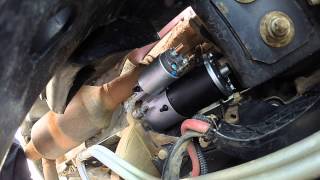
The starter is located on the passenger side of the engine, mounted to the transmission bellhousing. It is positioned low on the engine, pointing toward the front of the truck.
Is it hard to replace the starter on this F-150?
It is considered a moderately difficult job. Accessing the top mounting bolt can be challenging. You will need a good socket set with extensions. The job can typically be done in 1-2 hours by someone with mechanical experience. Always disconnect the battery's negative terminal before starting work.
🎬 Watch this step-by-step starter replacement walkthroughIs it my starter or my battery?
A classic sign of a bad starter is a single, loud click when you turn the key, while a bad battery often results in rapid clicking or dimming lights. Before replacing the starter, always have your battery tested and check that the cable connections are clean and tight.
What is the difference between a regular and a high-torque starter?
A high-torque starter uses a gear reduction design to produce more cranking force with less electrical draw compared to a standard starter. This results in a faster engine crank speed, which is beneficial for modified engines or in cold weather. They are often smaller and lighter than the factory unit.
Helpful Videos

Technical Specifications
OEM Part Numbers: F75Z-11002-AB F75Z-11002-ACRM SA817RM 6C3T-11000BA
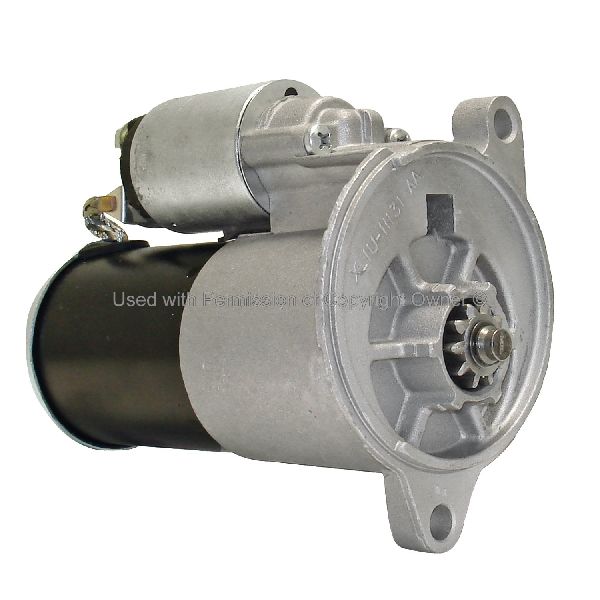
Voltage: 12V, Rotation: Clockwise, Teeth: 12, Power Rating: 1.4 kW. The starter is a Permanent Magnet Gear Reduction (PMGR) type.
We Have This Part in Stock

The information in this article is provided for general reference and educational purposes only. Vehicle specifications, procedures, and part compatibility can vary by production date, trim level, and region. Always consult your vehicle's factory service manual and verify part numbers before purchasing or performing repairs. Safety-critical components such as airbags, seat belts, and braking systems should be installed by a qualified professional.
- Ford F-150: