

Volvo C70 (1998-2005) Engine Crankcase Breather Hose & PCV Guide
Address common oil leaks and engine pressure problems by understanding your C70's crankcase ventilation system.
- This is a critical maintenance system on the 1998-2005 Volvo C70; failure can cause expensive oil seal damage.
- Always replace the entire PCV system as a kit, including the oil separator box and all hoses, not just a single failed part.
- Use the 'glove test' on the oil filler neck to quickly check for a clogged system—if it inflates, service is needed immediately.
- For this job, investing in a premium aftermarket (like CRP/Rein) or OEM kit is recommended to ensure longevity and avoid repeat labor.
Is Your Volvo C70 Leaking Oil? Check the PCV System.
If you own a 1998-2005 Volvo C70, you have a reliable and stylish car. But the 5-cylinder engine has a well-known issue: the PCV system. This system handles crankcase pressure. When it gets clogged, the pressure builds up and can cause serious problems. The most common result is blown engine seals, leading to oil leaks. A clogged system can force oil past the rear main seal, a very expensive repair, or the camshaft seals. You might also notice a whistling noise, smoke from the dipstick tube 🎬 Watch this video to see a full PCV system inspection., or a check engine light.
This is a Critical Maintenance Item
The PCV system on the 1998-2005 Volvo C70 is not a part that you should ignore. It is considered a regular wear-and-tear item that needs replacement, often around every 100,000 miles. Letting it fail can lead to catastrophic engine damage from blown seals and loss of oil.
Symptoms of a Failing Crankcase Breather System
- Oil Leaks: This is the most common sign. Increased pressure forces oil past gaskets and seals. Check around the oil filler cap, camshaft seals, and the rear main seal.
- Smoke from Dipstick: With the engine running, pull out the dipstick. If you see smoke puffing out, it's a clear sign of positive crankcase pressure.
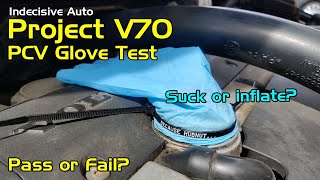
- "Glove Test" Failure: A simple test is to place a latex glove over the oil filler opening with the engine running. If the glove inflates, the system is clogged. If it gets gently sucked in, your system is likely working correctly.
- Whistling Noises: A high-pitched whistle from the engine bay can be caused by pressure escaping past a seal.
- Check Engine Light: A failing system can cause vacuum leaks, leading to error codes like P0171 (too lean) or P0172 (too rich).
- Poor Performance: You might experience a rough idle, hard starting, or general poor performance.
Choosing the Right Aftermarket Part
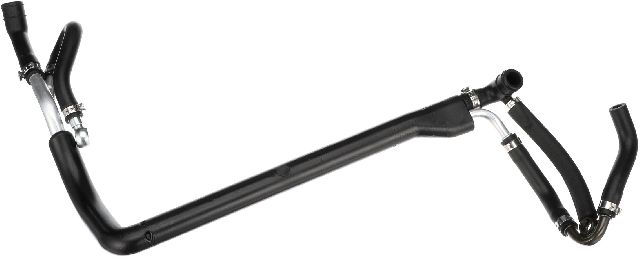
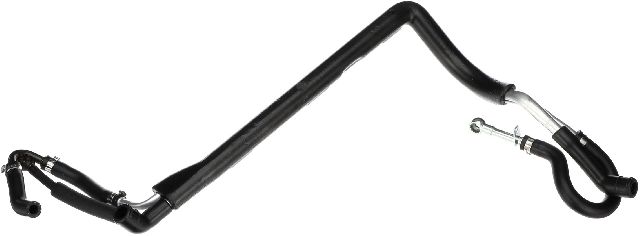
When replacing PCV components, you have options. The full system includes an oil separator box and multiple hoses. It is highly recommended to replace the entire system, not just the one hose that has failed. The other hoses are likely just as old and brittle.
| Brand Tier | Common Brands | Price Range (Kit) | Notes |
|---|---|---|---|
| Budget | URO Parts | $50 - $100 | A budget-friendly option. While some users have reported fitment issues in the past, the brand is a viable choice for those on a tight budget. Quality can be hit-or-miss, but may have improved. |
| Mid-Grade | Gates | $100 - $175 | Gates is a well-respected name, especially for rubber products like belts and hoses. They are generally considered a solid, reliable choice without the cost of an OEM part. |
| Premium Aftermarket | CRP (Rein) | $150 - $250 | CRP/Rein is often an original equipment manufacturer (OEM) for European cars. These parts are known for high quality and correct fitment. For a critical system like the PCV, spending more on a quality kit is a wise investment to avoid doing the job twice. |
Pro Tip: Buy the Full Kit
The individual hoses and the oil separator box are sold separately, but buying a complete kit is the best approach. It ensures all components are fresh and will save you from future headaches when another old hose fails. The labor to access these parts is significant, so you only want to do it once.
Frequently Asked Questions (FAQ)
Can I just replace one broken hose?
You can, but it's not recommended. The plastic and rubber on all the PCV components degrade from heat and oil over time. If one hose has cracked and failed, the others are likely to fail soon. Given that replacing the system requires removing the intake manifold, it is much more labor-efficient to replace everything at once.
What is the 'glove test'? 🎬 See a demonstration of the glove test on a Volvo.
The 'glove test' is a simple diagnostic technique. With the engine warm and running at idle, remove the oil filler cap and place a latex glove over the opening. A healthy PCV system should create a slight vacuum, pulling the glove in slightly. If the glove inflates or blows off, it confirms you have positive crankcase pressure, meaning the system is clogged and needs service.
Are there any recalls for the Volvo C70 PCV system?
No, there are no specific recalls listed with the National Highway Traffic Safety Administration (NHTSA) for the PCV system on the 1998-2005 Volvo C70. This is considered a maintenance issue, not a manufacturing safety defect.
How often should the PCV system be serviced?
There is no strict mileage interval, but it is commonly recommended to inspect it regularly and plan for a full replacement around every 100,000 miles. Cars driven on frequent short trips may need service sooner, as the engine doesn't get hot enough to burn off moisture and contaminants, leading to faster sludge buildup.
Helpful Videos
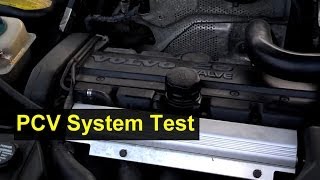
Technical Specifications
OEM Part Numbers: 1271654 9458534 1271988 3507930 8692211
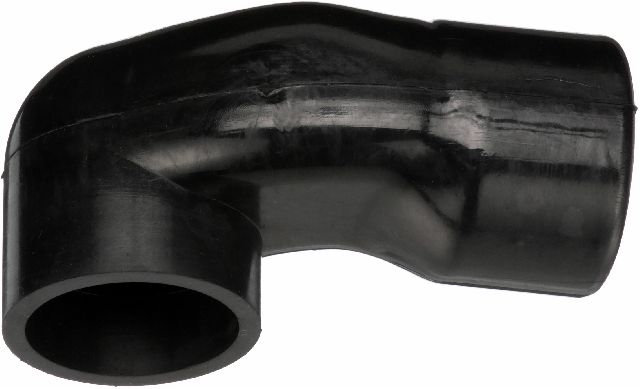
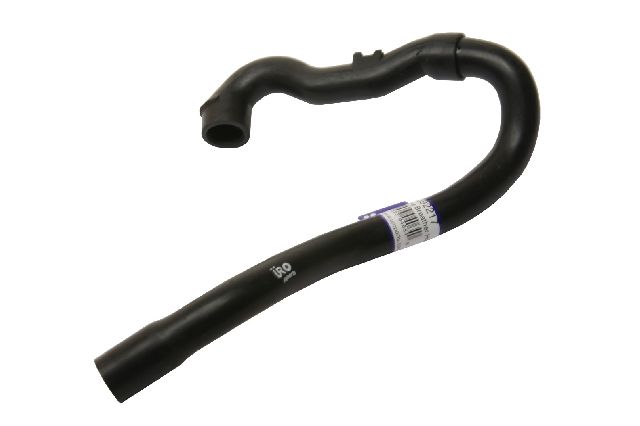
System consists of an oil separator box (flame trap) and multiple plastic/rubber hoses connecting the crankcase, valve cover, and intake manifold. Turbo models have slightly different hose routing.
We Have This Part in Stock
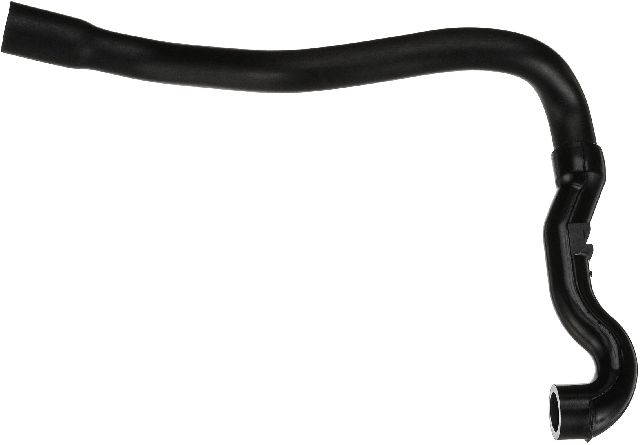
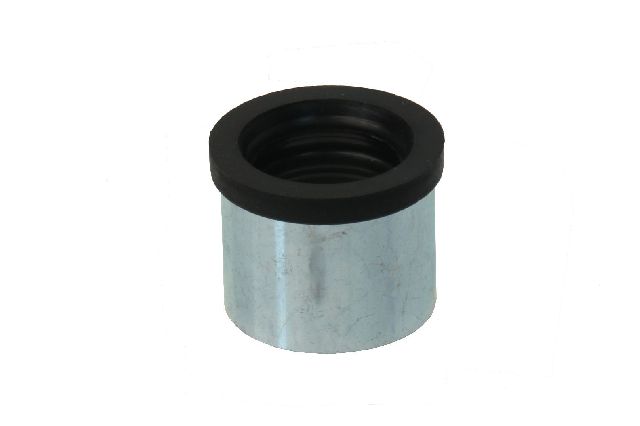

The information in this article is provided for general reference and educational purposes only. Vehicle specifications, procedures, and part compatibility can vary by production date, trim level, and region. Always consult your vehicle's factory service manual and verify part numbers before purchasing or performing repairs. Safety-critical components such as airbags, seat belts, and braking systems should be installed by a qualified professional.
- Volvo C70: