

Lincoln Navigator A/C Hose Assembly Guide for 1998-2006 Models
If the A/C in your Navigator is blowing warm, a leaking hose assembly is a likely culprit.
- A leaking A/C hose is a very common reason for A/C failure in the 1998-2006 Navigator.
- Look for oily residue on the hoses as a clear sign of a leak.
- Replacement requires special equipment to handle refrigerant, making it a job for a professional shop.
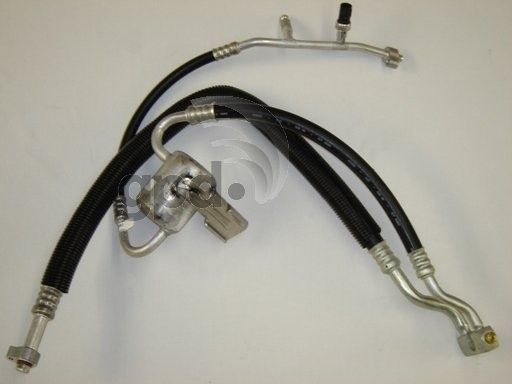
- Quality aftermarket brands like Global Parts offer a reliable, cost-effective alternative to more expensive OEM parts.
Is Your Navigator's A/C Not Working? Check the Hoses.
One of the most common reasons for an air conditioning system to fail on the 1998-2006 Lincoln Navigator is a leak in an A/C hose assembly. Over years of exposure to engine heat and vibrations, the rubber sections of the hoses can crack, harden, and develop leaks. The metal fittings where the hoses connect to other components can also corrode or the seals can fail. Since the Navigator is a large SUV, especially those with rear air conditioning, it has a complex network of hoses, and a leak in any one of them will prevent the system from cooling effectively.
Symptoms of a Failing A/C Hose
A leaking A/C hose will show several clear warning signs. Paying attention to them can help you diagnose the problem before more expensive components are damaged.
- Warm Air From Vents: This is the most obvious symptom. As refrigerant leaks out, the system loses its ability to cool the air.
- Visible Oily Residue: The refrigerant in your A/C system is mixed with a special lubricant called PAG oil. When a hose leaks, this oil can escape and attract dirt, leaving a greasy, dirty film on or around the A/C lines and fittings.
- Hissing Sounds: A distinct hissing noise from the engine bay or under the vehicle could be the sound of high-pressure refrigerant escaping from a crack or bad seal.
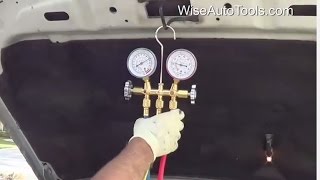
- Compressor Issues: If the system pressure drops too low from a leak, a safety switch will prevent the A/C compressor from turning on 🎬 Watch: How to check your A/C system gauge readings to avoid damage. You might also notice the compressor clutch cycling on and off more frequently than usual.
A Note on Rear A/C Lines
For Navigators with rear climate control, the long aluminum lines that run underneath the vehicle are a known trouble spot. They are exposed to road salt and moisture, which can cause corrosion and lead to pinhole leaks over time. If your rear A/C is not working but the front is, these lines are a primary suspect.
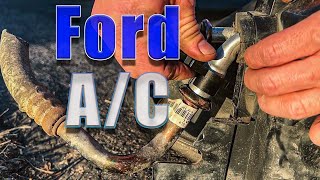
🎬 Watch this walkthrough for repairing the rear air conditioning systemChoosing the Right Aftermarket A/C Hose
For a vehicle like the 1998-2006 Navigator, you have two main choices: OEM (Original Equipment Manufacturer) parts from Motorcraft or aftermarket parts from brands like Global Parts Distributors (GPD), Four Seasons, or UAC.
- OEM (Motorcraft): These parts are identical to what was installed at the factory. While they guarantee a perfect fit, they can sometimes be more expensive, especially for more complex hose assemblies.
- Aftermarket (Global Parts, etc.): Quality aftermarket brands design their parts to meet or exceed original specifications. They are a reliable and cost-effective choice for a vehicle of this age. An aftermarket hose from a reputable brand like Global Parts will perform correctly and save you money.
Pro Tip: Regardless of which brand you choose, always replace the small rubber O-rings or gaskets at the connection points when installing a new hose. Most new hose assemblies come with them. This ensures a leak-free seal.
A/C Hose Replacement Cost for 1998-2006 Lincoln Navigator
The total cost depends on which hose needs replacement and labor rates in your area. The lines for the rear A/C system are often more expensive and require more labor to replace.
| Part/Service | Estimated Cost |
|---|---|
| New OEM A/C Hose (Motorcraft) | $80 - $250+ (some complex rear lines can be much higher) |
| New Aftermarket A/C Hose (Global Parts) | $81 - $116 |
| Shop Labor & A/C Service | $300 - $550 |
| Total Estimated Cost | $380 - $800+ |
Note: Labor costs include time to replace the hose and the required service to evacuate and recharge the A/C system with refrigerant.
Frequently Asked Questions
Can I replace an A/C hose myself?
This is not recommended for most DIY mechanics. Replacing an A/C hose requires specialized and expensive equipment to safely recover the old refrigerant from the system and then to pull a vacuum and recharge it after the new part is installed. Attempting this without the right tools can be dangerous and is illegal in many places due to environmental regulations.
My A/C is leaking. Should I use a sealant?
Using an A/C stop-leak sealant is generally not recommended by professionals. These products can clog not only the leak but also critical components like the expansion valve or orifice tube, leading to more expensive repairs down the road. The proper fix is to find the leak and replace the faulty part.
If one hose is bad, should I replace all of them?
Not necessarily. It is most common to replace only the hose that is confirmed to be leaking. However, if the hoses are all original and appear brittle or cracked, or if another hose is very difficult to access, a mechanic might recommend replacing multiple lines at once to save on future labor costs.
Are there any recalls on the A/C hoses for my Navigator?
No, searches of the National Highway Traffic Safety Administration (NHTSA) database show no safety recalls or widespread technical service bulletins (TSBs) for A/C hose assemblies on the 1998-2006 Lincoln Navigator.
Helpful Videos
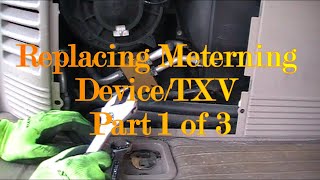


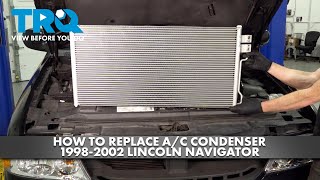
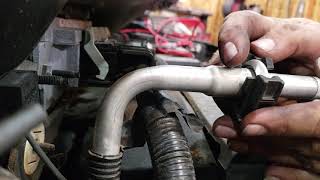
Technical Specifications
OEM Part Numbers: 9L1Z-19867-C 9L1Z-19A834-A 9L1Z-19867-A AL1Z-19867-A
System uses R134a refrigerant and PAG 46 oil. Hose assemblies consist of multi-layer rubber hose with crimped aluminum fittings.
We Have This Part in Stock
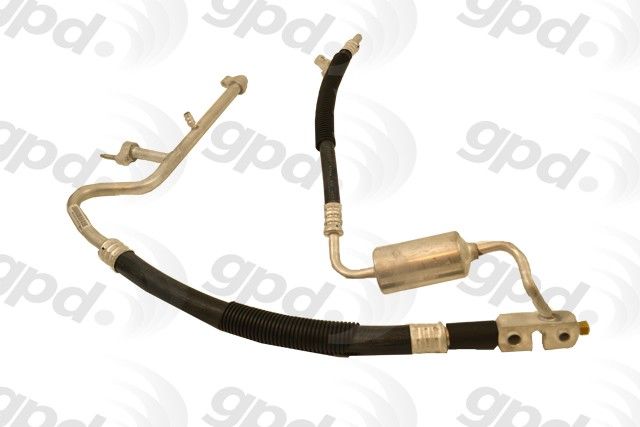
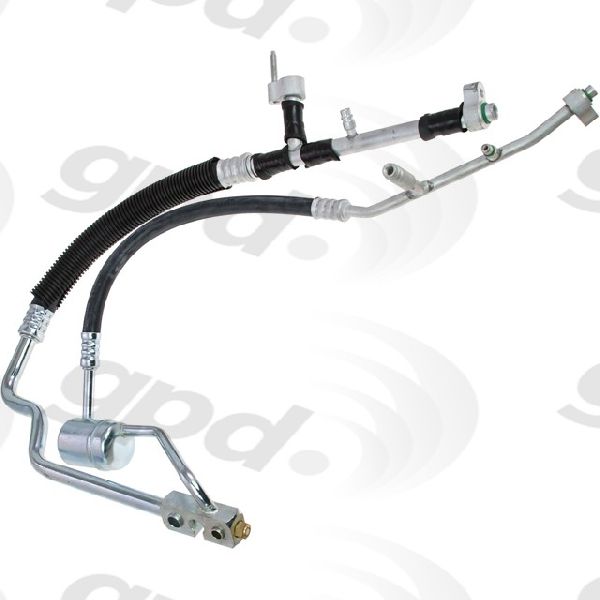
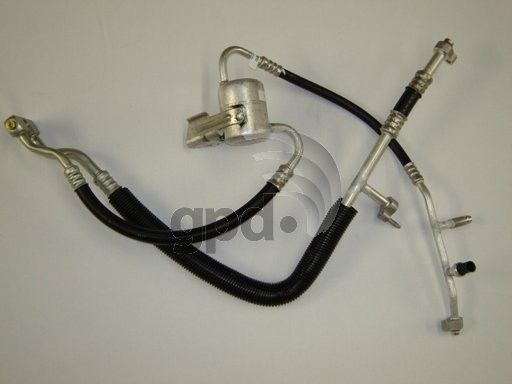

The information in this article is provided for general reference and educational purposes only. Vehicle specifications, procedures, and part compatibility can vary by production date, trim level, and region. Always consult your vehicle's factory service manual and verify part numbers before purchasing or performing repairs. Safety-critical components such as airbags, seat belts, and braking systems should be installed by a qualified professional.
- Lincoln Navigator: