

Volvo V70 Engine Coolant Reservoir: A Complete Guide (1998-2010)
A leaking or cracked coolant reservoir is a common issue on the V70; here's how to choose the right replacement part.
- You must verify your V70's generation (P80, P2, or P3) before ordering a new reservoir, as they are not interchangeable.
- Failure is caused by the plastic becoming brittle from heat and age; this is a very common issue on these Volvos.
- Always replace the reservoir cap along with the tank to ensure the system holds pressure correctly.
- A 'Low Coolant' warning on a full tank means the internal float has failed, and the entire reservoir needs to be replaced.
Understanding the V70 Coolant Reservoir
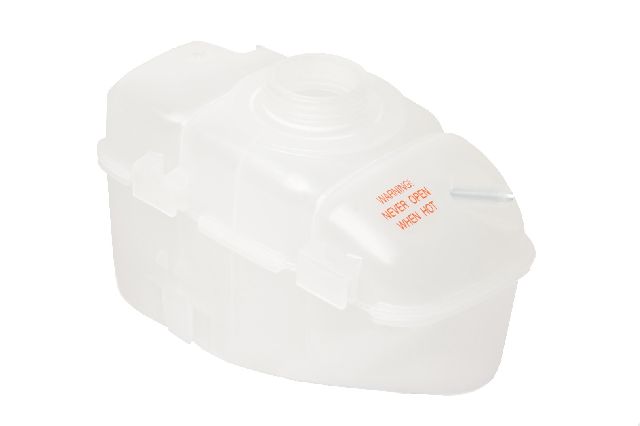
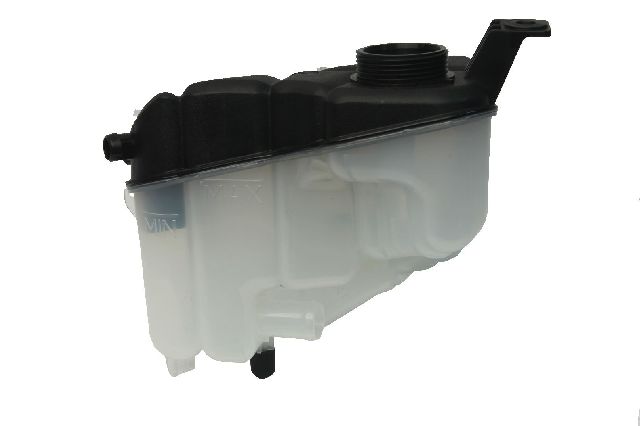
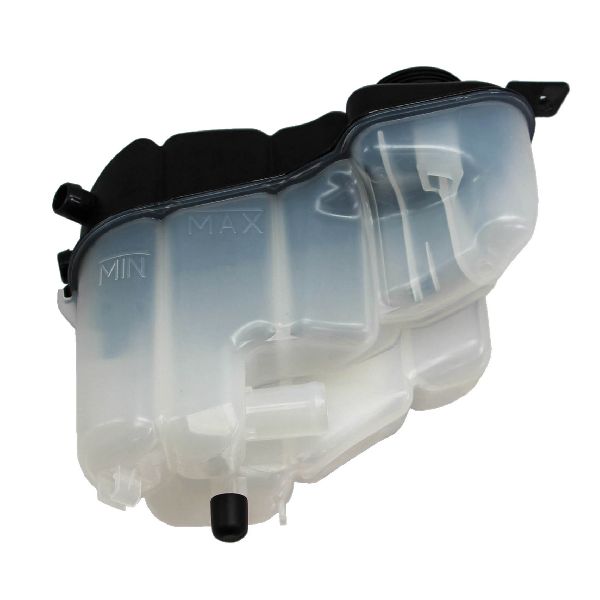
The engine coolant reservoir on the 1998-2010 Volvo V70 is more than just a plastic bottle. It's a pressurized container designed to handle the constant expansion and contraction of your engine's coolant. Over time, the constant exposure to heat and pressure causes the plastic to become brittle. This eventually leads to cracks, leaks, and potential engine overheating. It's not a matter of if it will fail, but when. Recognizing the signs of a failing tank can save you from a much more expensive engine repair down the road.
A Critical Mistake: Ordering for the Wrong V70 Generation
The 1998-2010 Volvo V70 spans three different vehicle platforms, and they do NOT use the same coolant reservoir. Ordering the wrong part is the most common mistake owners make. Before buying, you must identify your specific V70 generation:
- First Generation (P80): 1998-2000 V70
- Second Generation (P2): 2001-2007 V70
- Third Generation (P3): 2008-2010 V70
Always confirm your vehicle's year to ensure you purchase the correct tank. The fitment and hose connections are different for each generation.
Symptoms of a Failing Coolant Reservoir
A failing coolant tank will give you clear warning signs. Ignoring them can lead to serious engine damage from overheating. Look out for the following symptoms:
- Low Coolant Warning Light: A message on your dashboard is the most obvious sign. This can happen even if the tank looks full, which points to a failed internal level sensor.
- Visible Cracks or Leaks: Hairline cracks, especially around the seams and hose connections, are a sure sign of failure. You may see white or colored crusty residue around the tank.
- Puddles Under the Car: You may find puddles of sweet-smelling green, blue, or pink fluid under your car, especially after driving.
- Engine Overheating: If the tank can no longer hold pressure or has leaked out too much coolant, your engine's temperature will rise. This is a critical symptom that requires immediate attention.
- Smell of Coolant: A sweet, syrupy smell from the engine bay, particularly when the engine is hot, often means coolant is leaking and burning off on hot surfaces.
Choosing the Right Aftermarket Reservoir
When replacing your V70's coolant reservoir, you have several options ranging from budget-friendly to OEM quality. Here’s a breakdown of the available brands:
Tier 1: OEM & OEM-Equivalent Brands
These brands are either the original equipment manufacturer for Volvo or produce parts to the same high standard. They offer the best fit, durability, and peace of mind.
- Genuine Volvo: The exact part your car came with from the factory. It's the most expensive option but guarantees perfect fit and quality.
- Mahle (Behr): A well-respected German brand that is often the OEM supplier for many European car parts, including cooling system components. Quality is comparable to Genuine Volvo.
- CRP (Rein): Another top-tier aftermarket brand known for making OEM-quality parts for European vehicles. A reliable and cost-effective alternative to Genuine.
Tier 2: Quality Aftermarket Brands
These brands specialize in cooling systems and offer a great balance of quality and price.
- Nissens: A Danish company with a strong reputation for radiators, condensers, and other cooling parts. Their reservoirs are a dependable choice.
Tier 3: Budget-Friendly Brands
These brands offer the lowest price but can be inconsistent in quality. While they can be a good short-term solution, some owners report issues with longevity and fitment.
- Dorman: A very popular aftermarket brand, but reviews for their plastic tanks can be mixed. Some last for years, while others have been reported to fail prematurely.
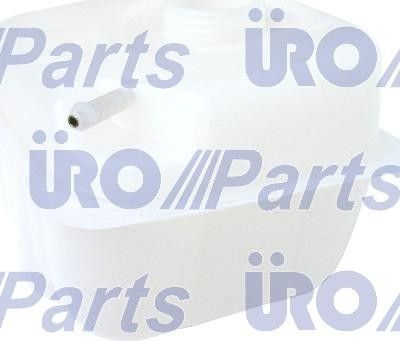
- URO Parts: Often the most affordable option. Like Dorman, quality can be a gamble, with some users reporting tanks that yellow and crack within months.
- Vaico, Skyward: These are typically budget-focused brands. Inspect them carefully upon arrival for any molding flaws before installation.
Pro Tip: Replace the Cap and Sensor
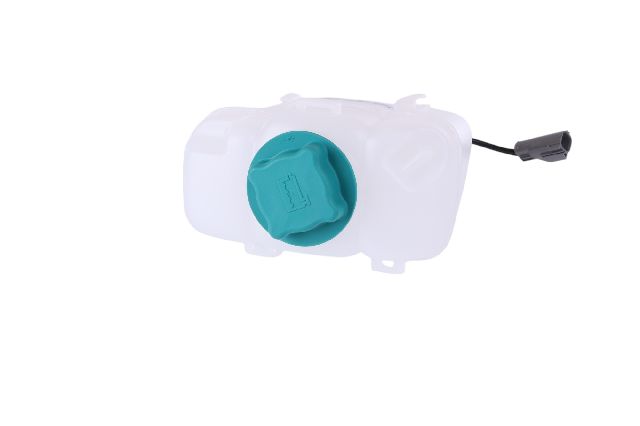
Always replace the reservoir cap when you replace the tank. The cap is a pressure-regulating valve that is critical to the system's health. Also, check if your new tank comes with a new coolant level sensor. Some do, but for others, you'll need to transfer your old one or buy a new one separately. It is often best to replace the sensor with the tank to avoid issues.
Cost of a New Coolant Reservoir
| Part Type | Typical Cost |
|---|---|
| New Aftermarket | $23.53 - $102.19 |
| New OEM (Genuine Volvo) | $70 - $110 |
| Shop Labor | $55 - $110 |
Frequently Asked Questions (FAQ)
My "Low Coolant" light is on, but the tank is full. Is the tank bad?
Most likely, yes. The warning is triggered by a float inside the tank that works with an external sensor. Over time, this float can get saturated with coolant, sink, and trigger a false warning. Since the float is sealed inside the tank, the entire reservoir must be replaced to fix the issue.
Can I just use epoxy or plastic weld to fix a crack?
This is not recommended. The cooling system is under significant pressure (around 22 psi) when hot, and a patch is very unlikely to hold for long. A failed repair will leave you stranded. Replacement is the only safe and reliable solution.
Is replacing the coolant reservoir a DIY job?
Yes, for most home mechanics, this is a straightforward job. It typically involves simple hand tools like a screwdriver and pliers. The process involves draining some coolant, disconnecting a few hoses and an electrical connector, and swapping the tank. The job usually takes less than an hour.
What type of coolant should I use to refill the system?
Always use a coolant that meets Volvo's specifications. For these model years, a blue-colored, phosphate-free coolant (G48 or HT-12 type) is typically required. Using the wrong type of coolant can cause corrosion and damage to the cooling system. Always check your owner's manual or the coolant bottle to confirm compatibility.
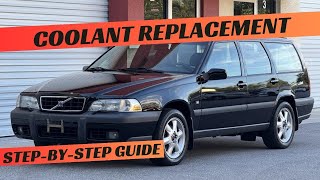
🎬 Watch: How to properly refill and bleed your cooling system.Helpful Videos
Technical Specifications
OEM Part Numbers: 9141095 (1998) 30741975 (1999-2000) 30741973 (2001-2007) 31200320 (2008-2010)
Material: Molded Plastic. Pressurized system holds approximately 22 PSI (1.5 BAR). Includes connections for upper and lower coolant hoses and a port for the coolant level sensor.
We Have This Part in Stock

The information in this article is provided for general reference and educational purposes only. Vehicle specifications, procedures, and part compatibility can vary by production date, trim level, and region. Always consult your vehicle's factory service manual and verify part numbers before purchasing or performing repairs. Safety-critical components such as airbags, seat belts, and braking systems should be installed by a qualified professional.
- Volvo V70:
- 🎬 Helpful Videos
- 🛍️ Shop This Part
- Understanding the V70 Coolant Reservoir
- A Critical Mistake: Ordering for the Wrong V70 Generation
- Symptoms of a Failing Coolant Reservoir
- Choosing the Right Aftermarket Reservoir
- Tier 1: OEM & OEM-Equivalent Brands
- Tier 2: Quality Aftermarket Brands
- Tier 3: Budget-Friendly Brands
- Pro Tip: Replace the Cap and Sensor
- Cost of a New Coolant Reservoir
- Frequently Asked Questions (FAQ)
- 🎟️ Get 5% Off