

Engine Timing Belt Guide for the 1999-2003 Honda Accord
Learn about this critical part before it causes catastrophic engine damage to your Accord.
- The 1999-2003 Accord has an interference engine; a broken timing belt will cause catastrophic engine damage.
- Replace the timing belt every 105,000 miles or 7 years, whichever comes first.
- Always replace the timing belt, tensioner, idler pulley, and water pump together as a complete kit.
- For reliability, choose a complete kit from a top-tier brand like Aisin, Gates, or Continental.
Understanding Your Accord's Timing Belt

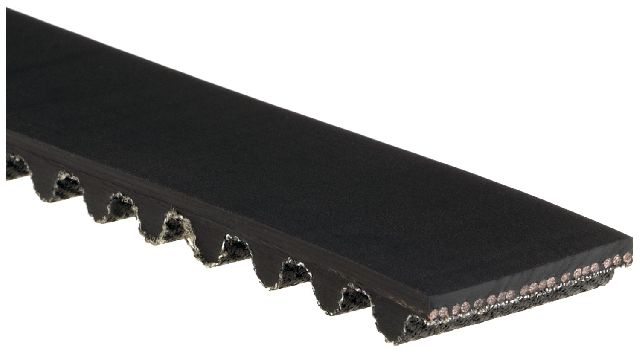
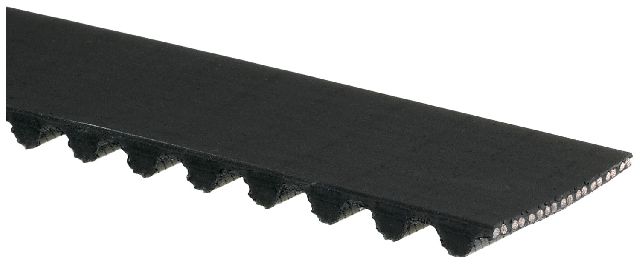
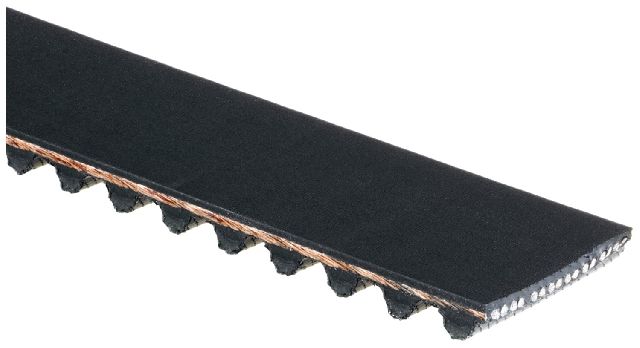
The timing belt is one of the hardest working parts in your 1999-2003 Honda Accord's engine. It is a ribbed rubber belt that keeps the top half of the engine (camshafts, valves) in perfect sync with the bottom half (crankshaft, pistons). Because both the 4-cylinder and V6 models have what is called an "interference engine," a broken timing belt is a catastrophic event. If the belt fails, the pistons will strike the valves, leading to bent valves, damaged pistons, and potentially a destroyed engine. There are usually no warning signs before a belt breaks, which is why it must be replaced at specific intervals.
When to Replace Your Timing Belt
For the 1999-2003 Honda Accord, the recommended replacement interval is every 105,000 miles or 7 years, whichever comes first. Age is just as important as mileage, as the rubber can degrade and crack over time. If you've purchased a used Accord and don't have proof of the last timing belt service, it's safest to replace it immediately.
Symptoms of a Failing Timing Belt

While a sudden break is common, sometimes a worn timing belt or failing component can give warning signs:
- Ticking or Rattling Noises: A ticking sound from the front of the engine could indicate a loose or worn belt, or a failing tensioner.
- Engine Misfires: If the belt has slipped, it can throw off the engine's timing, causing rough running, misfires, and a check engine light.
- Engine Won't Start: If the belt has broken, the engine will crank but will not start. You may hear an unusual, faster-than-normal cranking sound.
- Oil Leaks: Oil leaking from the front of the engine may come from worn camshaft or crankshaft seals, which are typically replaced during a timing belt job.
Choosing the Right Aftermarket Timing Belt Kit

When replacing the timing belt, it is essential to use a complete kit. A kit ensures all related wear-and-tear components are replaced at the same time, which is more cost-effective and reliable. A quality kit for your Accord should include the timing belt, a tensioner, an idler pulley, and a water pump.
Pro Tip: Always replace the water pump with the timing belt. The water pump is driven by the timing belt, and the labor to access it is the same. A failed water pump can leak coolant and cause the new timing belt to fail, so it's a critical part of the job.
Aftermarket Brand Quality Tiers
Not all aftermarket brands are created equal. Based on owner feedback and mechanic consensus, here is a general guide to the brands available for your Accord:
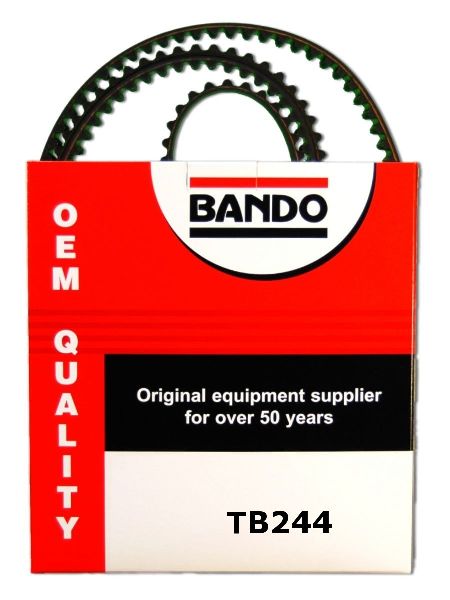
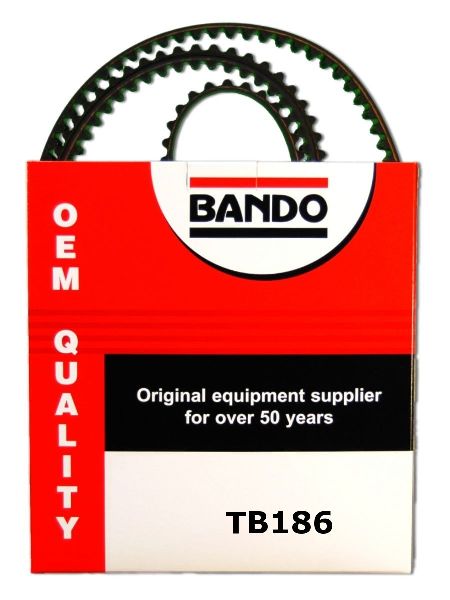
- OEM-Equivalent Quality (Top Tier): These brands are often the original equipment manufacturers for Honda or have a reputation for meeting or exceeding OEM standards. Look for kits from Aisin, Mitsuboshi, and Bando. Gates and Continental also offer highly-regarded kits that often include OEM components from manufacturers like Koyo, NTN, and INA.
- Quality Aftermarket (Mid Tier): Brands like Gates, Continental, and Dayco are well-known and produce reliable timing belt kits that are a popular choice for a balance of quality and price. They are considered durable and are used by many professional shops.
- Economy Brands (Budget Tier): While more affordable, some lower-cost brands may use components of varying quality. For a critical part like the timing belt, it is generally recommended to invest in a top or mid-tier kit to ensure longevity and avoid the risk of catastrophic engine failure.
Known Issues, Recalls, and Service Bulletins

NHTSA Recall 02V-226: Honda issued a recall for some 2002 Accord models due to a potentially misaligned timing belt tensioner pulley mounted on the water pump. This could cause the belt to fail. Dealers were instructed to inspect and, if necessary, replace the water pump and timing belt. While this recall was from many years ago, it highlights the importance of the tensioner and water pump in the timing belt system.
| Part/Service | Estimated Cost |
|---|---|
| New Aftermarket Timing Belt Kit | $100 - $225 |
| Shop Labor | $537 - $788 |
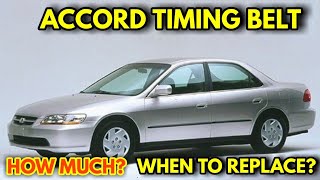
| Total Professional Job 🎬 Watch this breakdown of timing belt replacement costs and intervals. | $777 - $1,288 |
Frequently Asked Questions (FAQ)
What happens if my timing belt breaks while driving?
Because the 1999-2003 Accord has an interference engine, a broken timing belt will cause the pistons to hit the valves. This results in catastrophic engine damage, including bent valves and damaged pistons, requiring a very expensive engine rebuild or replacement.
Can I just replace the belt and not the other parts in the kit?
No. The tensioner and idler pulley wear out along with the belt. A failed tensioner or pulley can cause a new belt to fail, leading to the same catastrophic engine damage. Since the labor is the most expensive part of the job, replacing all components at once is the only correct way to do it.
Is this a DIY job?
Replacing the timing belt on a Honda Accord is a complex and difficult job that requires special tools and a high level of mechanical skill. Mistakes in setting the timing can damage the engine. For most owners, this job is best left to a professional mechanic.
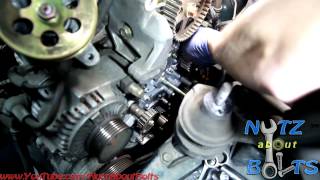
🎬 See the full process for replacing the belt and water pump.Is there a difference between the 4-cylinder and V6 timing belt job?
Yes. While the principle is the same, the V6 engine (J30A1) is more complex, with more components to remove for access. Both are interference designs and require careful attention to detail to set the timing correctly.
Helpful Videos
Technical Specifications
OEM Part Numbers: 14400-P8A-A02 14400-PAA-A02 14400-RCA-A01
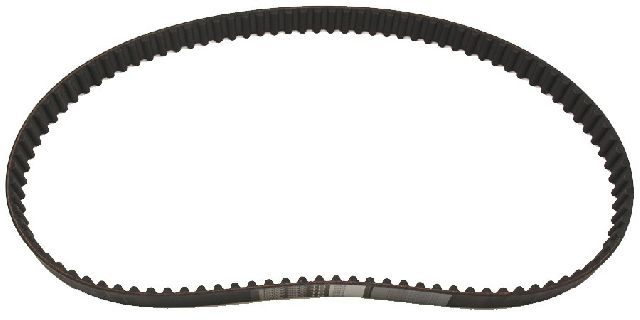
Belt Type: Toothed Rubber Composite. Engine Design: Interference. Replacement Interval: 105,000 miles or 7 years.
We Have This Part in Stock

The information in this article is provided for general reference and educational purposes only. Vehicle specifications, procedures, and part compatibility can vary by production date, trim level, and region. Always consult your vehicle's factory service manual and verify part numbers before purchasing or performing repairs. Safety-critical components such as airbags, seat belts, and braking systems should be installed by a qualified professional.
- Honda Accord:
- 🎬 Helpful Videos
- 🛍️ Shop This Part
- Understanding Your Accord's Timing Belt
- When to Replace Your Timing Belt
- Symptoms of a Failing Timing Belt
- Choosing the Right Aftermarket Timing Belt Kit
- Aftermarket Brand Quality Tiers
- Known Issues, Recalls, and Service Bulletins
- Frequently Asked Questions (FAQ)
- 🎟️ Get 5% Off