

Ford F-350 Engine Coolant Temperature (ECT) Sensor Guide: 1999-2004
An erratic temperature gauge or poor engine performance on your F-350 could point to a failing Engine Coolant Temperature sensor.
- A bad ECT sensor can cause poor fuel economy, rough running, and an inaccurate temperature gauge.
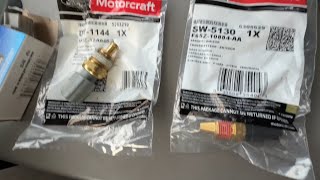
- For the 7.3L Powerstroke, using an OEM Motorcraft sensor (SW-5130) is highly recommended to avoid gauge issues.
- High-quality aftermarket brands like Standard Ignition and NGK are reliable alternatives for gas and 6.0L diesel engines.
- Replacement is a simple DIY job for most owners, typically taking less than an hour.
Is Your F-350's Coolant Temp Sensor Failing?
A bad Engine Coolant Temperature (ECT) sensor can cause a surprising number of problems with your truck. Because the engine's computer relies on this sensor for accurate temperature readings, a false signal—whether too hot or too cold—can throw off the whole system. This can lead to noticeable performance issues and, if ignored, potential engine damage.
Key Failure Symptoms
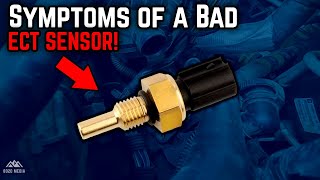
🎬 Watch this video to see common symptoms of sensor failure.- Check Engine Light: The most common sign. The computer will detect a problem with the sensor's signal and trigger a light.
- Inaccurate Temp Gauge: The gauge on your dash might swing wildly, stay on cold, or read hot when the engine isn't.
- Poor Fuel Economy: If the sensor incorrectly tells the computer the engine is cold, the system will run a richer fuel mixture, wasting gas.
- Black Smoke from Exhaust: A very rich fuel mixture from a bad sensor signal can result in unburned fuel exiting through the exhaust as black smoke.
- Rough Idle & Performance: The engine may stumble, hesitate, or run poorly because the fuel and timing calculations are incorrect.
- Engine Overheating or Overcooling: A faulty sensor can prevent the cooling fans from turning on when needed, leading to overheating. Conversely, it might keep them running constantly, preventing the engine from reaching its proper operating temperature.
Choosing the Right Aftermarket ECT Sensor
For many electronic parts on these trucks, sticking with the OEM Motorcraft part is a common recommendation in owner forums. Some aftermarket sensors, particularly for the 7.3L Powerstroke, have been known to provide inaccurate readings or fail prematurely. However, not all aftermarket brands are created equal, and some offer a reliable alternative to the more expensive dealer part.
Aftermarket Brand Tiers
- Top Tier (High-Quality Aftermarket): Brands like Standard Ignition (SMP) and NGK are often considered to be high-quality aftermarket choices. SMP, in particular, is a large manufacturer that sometimes supplies the original parts for carmakers, so you may get an OE-quality part in their box. These are your best bet for a reliable, long-lasting repair without paying dealer prices.
- Mid-Grade (Standard Replacement): Brands such as Four Seasons and Motorad fall into this category. They produce a massive range of parts and generally meet or exceed OEM specifications. For a daily driver under normal conditions, these sensors are typically a cost-effective and dependable option.
- Economy (Value-Oriented): Holstein and other private-label brands often represent the most budget-friendly tier. While functional, their longevity and the accuracy of their temperature readings can sometimes be inconsistent compared to higher-priced options.
A Note on 7.3L Powerstroke Engines
Owners of 7.3L Powerstroke trucks should be especially careful when ordering. These engines are known to be picky about this sensor. There is also frequent confusion between the ECT sensor (for the gauge) and the Engine Oil Temperature (EOT) sensor (for the computer). Double-check the part number and location before purchasing. The correct Motorcraft part number for the ECT sensor is often cited as SW-5130.
Cost of Replacing the ECT Sensor on a 1999-2004 F-350
Replacing the ECT sensor is one of the more affordable repairs you can perform. The part itself is inexpensive, and if you do it yourself, the only other cost is a small amount of coolant.
| Part/Service | Estimated Cost |
|---|---|
| New Aftermarket Sensor | $15 - $25 |
| New OEM (Motorcraft) Sensor | $45 - $110+ |
| Shop Labor | $50 - $100 |
| Total Professional Replacement | $65 - $210+ |
Frequently Asked Questions (FAQ)
Where is the ECT sensor located on my F-350?
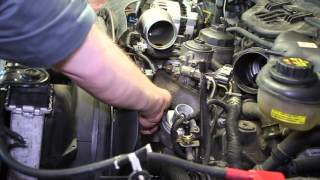
The location varies by engine. On the 7.3L Powerstroke, it's typically a single-wire sensor found on the top of the water pump housing, 🎬 Follow this guide to change the sensor on a 7.3L engine. near the thermostat. On the 6.0L Powerstroke, it is also located next to the thermostat. 🎬 See how to replace the ECT sensor on a 6.0L Powerstroke. For the 5.4L V8 gas engine, the sensor is often found under the intake manifold. Always consult a repair manual for your specific engine to confirm the location.
Can I replace this sensor myself?
Yes, this is a very DIY-friendly job for most home mechanics. The process generally involves disconnecting the battery, partially draining the coolant, unplugging the electrical connector, and unscrewing the old sensor. The most difficult part is often accessing the sensor, which may require removing other components like the airbox or an intercooler pipe on diesel models.
What happens if I don't replace a bad ECT sensor?
Ignoring a bad ECT sensor can lead to several issues. Persistently poor fuel economy will cost you money over time. More seriously, if the sensor fails to trigger the cooling fans, your engine could overheat, leading to critical damage like a warped cylinder head or blown head gasket.
Is an aftermarket sensor good enough for my F-350?
While OEM Motorcraft is often recommended for electronics on Ford trucks, a high-quality aftermarket sensor from a reputable brand like Standard Ignition or NGK is usually a reliable and more affordable choice. For the 7.3L Powerstroke, many owners strongly prefer using the OEM sensor to avoid issues with gauge accuracy.
Helpful Videos
Technical Specifications
OEM Part Numbers: SW-5130 DY-1144
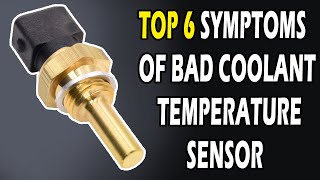
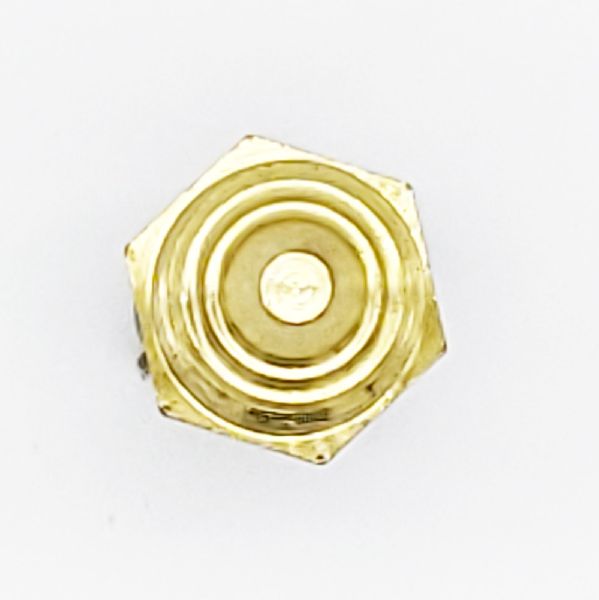
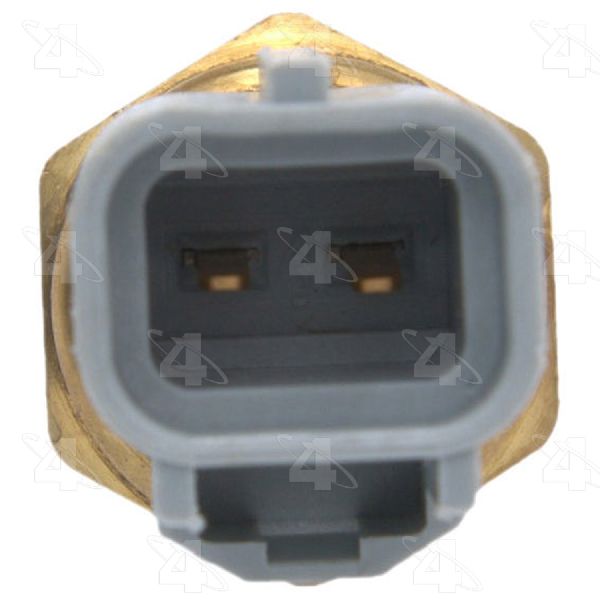
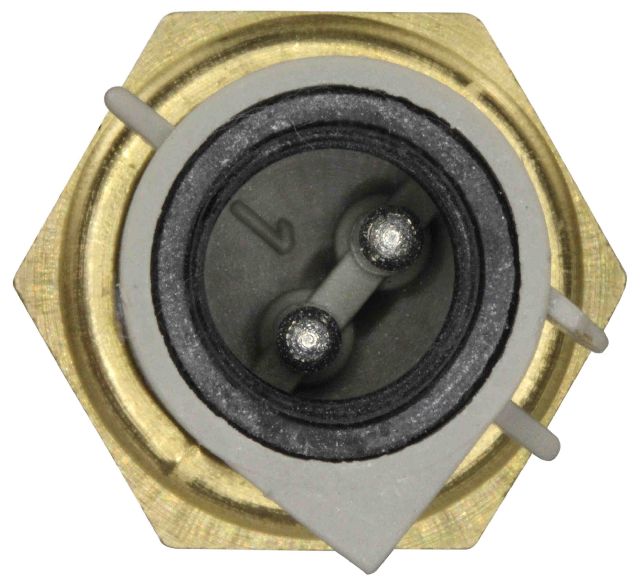
The sensor is a thread-in type, typically made of brass, with either a one or two-wire electrical connector depending on the engine. It functions as a thermistor, meaning its electrical resistance changes in response to coolant temperature.
We Have This Part in Stock


The information in this article is provided for general reference and educational purposes only. Vehicle specifications, procedures, and part compatibility can vary by production date, trim level, and region. Always consult your vehicle's factory service manual and verify part numbers before purchasing or performing repairs. Safety-critical components such as airbags, seat belts, and braking systems should be installed by a qualified professional.
- Ford F-350:
- 🎬 Helpful Videos
- 🛍️ Shop This Part
- Is Your F-350's Coolant Temp Sensor Failing?
- Key Failure Symptoms
- Choosing the Right Aftermarket ECT Sensor
- Aftermarket Brand Tiers
- A Note on 7.3L Powerstroke Engines
- Cost of Replacing the ECT Sensor on a 1999-2004 F-350
- Frequently Asked Questions (FAQ)
- 🎟️ Get 5% Off