

Volkswagen Jetta Engine Oil Level Sensor Guide (1999-2004)
Understanding the yellow oil light on your Mk4 Jetta and how to fix it for good.
- The yellow light is for oil LEVEL, not pressure; always check the dipstick first.
- A flashing yellow light specifically indicates a sensor system fault.
- For best results, choose an OEM-supplier brand like Hella, as these VWs can be picky with electronics.
- Replacement is easy and best done during an oil change since the oil must be drained.
Is Your Jetta's Yellow Oil Light On?
If you own a 1999-2004 (Mk4) Jetta, you might see a yellow oil can symbol on your instrument cluster. This is the oil level warning, not the more serious red oil pressure warning. The first thing you should always do is safely pull over and manually check your oil level with the dipstick. If the oil level is low, top it off. If the oil level is correct but the light stays on or comes on intermittently, you likely have a faulty oil level sensor.
Common Symptoms of a Failing Sensor
- Yellow oil warning light stays on: The most common symptom, even after verifying the oil level is correct.
- Flashing yellow oil light: On these Jettas, a flashing light specifically points to a malfunction in the sensor system itself.
- Intermittent warnings: The light may come on only when parking on hills or during cornering, which can be an early sign of sensor failure.
Red Light vs. Yellow Light
It's critical to know the difference. A yellow light is a "check oil level" warning. A red light means low oil pressure, and you should stop the engine immediately to prevent catastrophic damage. This article deals with the yellow light caused by the level sensor.
Choosing the Right Aftermarket Sensor
Volkswagens from this era can be sensitive to the quality of electronic parts. While saving money is always a goal, choosing the cheapest sensor can sometimes lead to the light coming back on prematurely. Here’s a breakdown of quality tiers for aftermarket brands.
Tier 1: OEM Supplier Quality
- Hella: Hella is a well-respected German brand and a known original equipment (OE) manufacturer for Volkswagen and other European brands. Choosing Hella is the closest you can get to buying a genuine part from the dealer without the high price tag. It is the recommended choice for reliability.
Tier 2: Reputable Aftermarket
- Standard Ignition (SMP): Standard is a long-standing aftermarket company known for producing quality electronic components and sensors. They are a solid alternative to an OEM or OE-supplier part and are generally reliable.
Tier 3: Economy Brands
- URO Parts & Other Budget Brands: Brands like URO Parts are typically the most affordable. However, forum discussions from VW owners show mixed results, with some reporting premature failures on electronic parts like sensors. While they can be a solution for a tight budget, there is a higher risk of the part failing sooner than a Tier 1 or Tier 2 option.
Pro Tip: Replace it During an Oil Change
The sensor is located on the bottom of the oil pan and is held in by three small bolts. To replace it, you must drain the engine oil. The easiest and most cost-effective time to replace a faulty sensor is during your next scheduled oil change.
Cost of Replacing the Sensor
The cost consists of the part itself and the labor (or the cost of an oil change if you do it yourself). Since an oil change is required, those costs are factored in.
| Item | Estimated Cost |
|---|---|
| New Aftermarket Sensor | $49 - $120 |
| New OEM Sensor | $150 - $250 |
| Shop Labor (including oil change) | $120 - $250 |
| Total Professional Replacement | $170 - $370 |
Frequently Asked Questions
Can I still drive my Jetta with a bad oil level sensor?
Yes, but with a major caution. If the sensor is faulty but you know the oil level is correct (because you checked it with the dipstick), the car is safe to drive. However, you lose the safety warning if your car develops a real oil leak. You must commit to checking your oil level manually with the dipstick regularly (e.g., every time you get fuel) until you replace the sensor.
Is the oil level sensor the same as the oil pressure sensor?
No, they are two different parts with different jobs. The oil level sensor (yellow light) simply measures the amount of oil in the pan. The oil pressure sensor or switch (red light) monitors the pressure of the oil being pumped through the engine. A failure of the pressure sensor indicates a serious problem that could damage the engine quickly.
How hard is it to replace the oil level sensor myself?
It is a very easy job for a DIYer. If you can change your own oil, you can replace this sensor. It is held to the oil pan by three 10mm bolts and has one electrical connector. Just remember the oil must be drained first. Always use a new gasket with the new sensor to prevent leaks.
Are there any recalls for the Jetta oil level sensor?
No, there have been no recalls or specific Technical Service Bulletins (TSBs) issued by Volkswagen or the NHTSA for a faulty oil level sensor on the 1999-2004 Jetta.
Technical Specifications
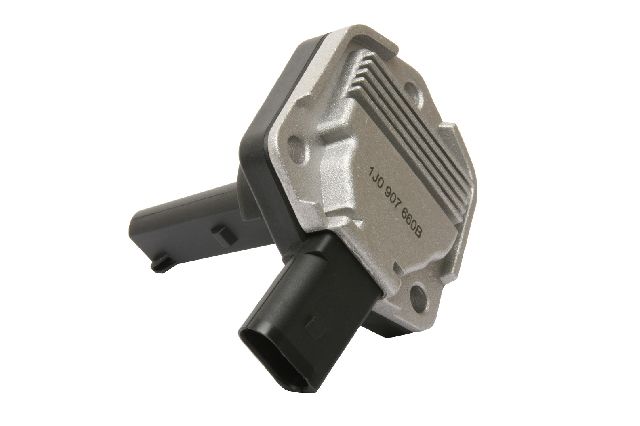
OEM Part Numbers: 1J0907660C 1J0907660B 1J0907660F
Mounts to the engine oil pan with three bolts. Features a 3-pin electrical connector.
We Have This Part in Stock


The information in this article is provided for general reference and educational purposes only. Vehicle specifications, procedures, and part compatibility can vary by production date, trim level, and region. Always consult your vehicle's factory service manual and verify part numbers before purchasing or performing repairs. Safety-critical components such as airbags, seat belts, and braking systems should be installed by a qualified professional.
- Volkswagen Jetta:
- 🛍️ Shop This Part
- Is Your Jetta's Yellow Oil Light On?
- Common Symptoms of a Failing Sensor
- Red Light vs. Yellow Light
- Choosing the Right Aftermarket Sensor
- Tier 1: OEM Supplier Quality
- Tier 2: Reputable Aftermarket
- Tier 3: Economy Brands
- Pro Tip: Replace it During an Oil Change
- Cost of Replacing the Sensor
- Frequently Asked Questions
- 🎟️ Get 5% Off