

Throttle Position Sensor Guide for the 1999-2006 Honda Accord
Solving erratic idle, poor acceleration, and shifting problems in your 6th or 7th generation Accord.
- A bad TPS causes hesitation, erratic idle, and automatic transmission shifting problems.
- Honda sells the full throttle body, but buying an aftermarket sensor is a cost-effective alternative.
- Aftermarket sensors MUST be calibrated with a multimeter to ~0.5V at idle for proper function.
- An 'idle relearn procedure' is required after installation to ensure a stable idle.
Is Your Accord's Throttle Position Sensor Failing?

A bad Throttle Position Sensor (TPS) can cause a lot of confusing problems. Because the sensor provides critical data for fuel, air, and transmission, a failure can make your car run poorly. You might experience a Check Engine Light, sudden engine surging, hesitation when you press the gas, or a rough, unstable idle. In Accords with an automatic transmission, a bad TPS can also cause harsh shifting, delayed shifts, or getting stuck in one gear.
OEM vs. Aftermarket: A Critical Choice
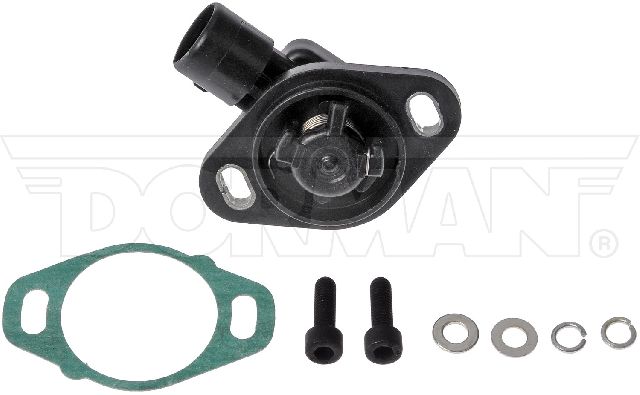
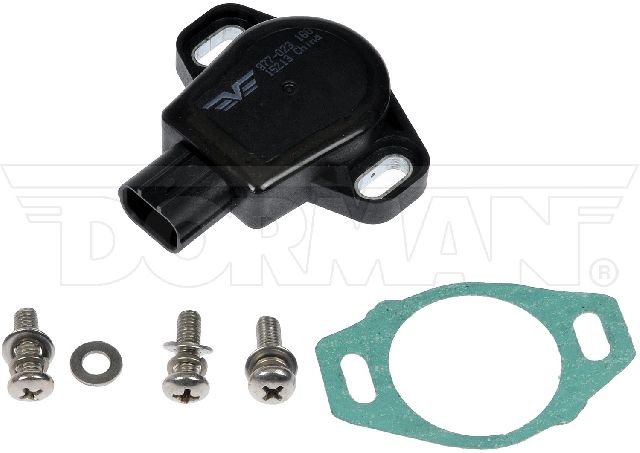
Honda's official repair procedure for a failed TPS is to replace the entire throttle body assembly, which is expensive. The original sensor was installed with special rivets that are not designed to be removed. However, the sensor itself is the common point of failure. Aftermarket brands offer the sensor separately, which is a much more affordable option. These aftermarket sensors come with new screws to replace the factory rivets. The trade-off is that you MUST calibrate the new sensor correctly. Failure to do so will result in continued performance problems. Many owners have successfully used aftermarket sensors, but quality can vary.
Choosing the Right Aftermarket TPS

When shopping for an aftermarket TPS for your 1999-2006 Accord, you'll find a few quality tiers. It's important to understand the differences.
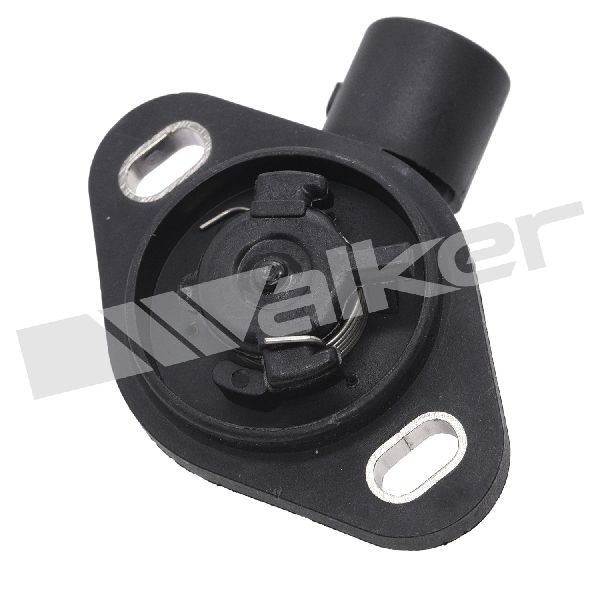
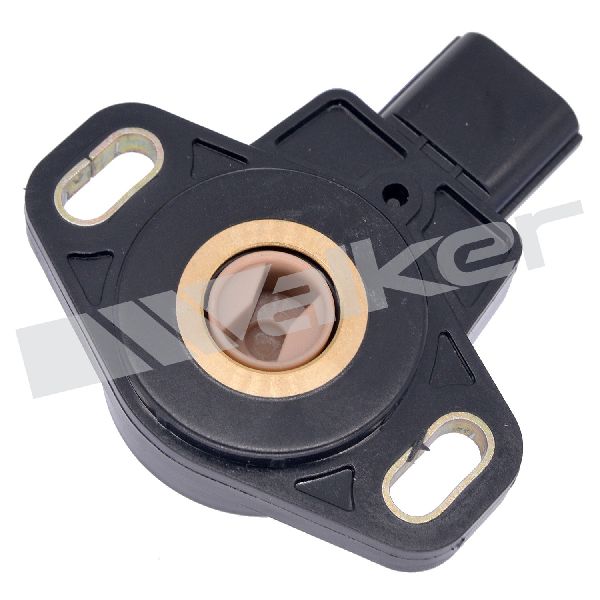
- Tier 1: Reputable Aftermarket Brands (e.g., Dorman, Walker Products): These brands are well-known in the industry. Dorman, for example, is often mentioned by DIYers and is known for creating replacement parts for common OE failures. These parts generally offer a good balance of quality and price, and often include the necessary hardware for installation.
- Tier 2: Economy Brands (e.g., Replacement): These are typically the lowest-cost options available. While they can solve the problem, their internal components may not be as robust as higher-tier brands, potentially leading to a shorter service life or less precise voltage readings. They are a budget-friendly fix, but may require replacement again sooner than a premium part.
Pro Tip: Regardless of the brand you choose, proper installation and calibration are key. A high-quality sensor installed incorrectly will not work properly. The target voltage is typically around 0.5 volts at closed throttle and 4.5 volts at wide-open throttle.
Installation and Calibration Essentials

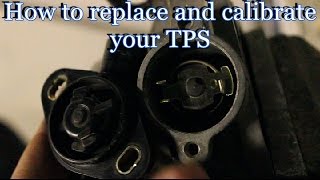
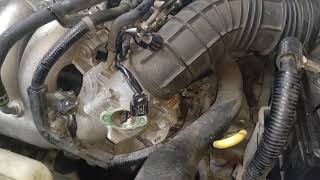
Replacing the TPS is a DIY-feasible job for someone with basic tools and patience. The most difficult part is removing the original factory rivets. You will likely need a Dremel or a small hacksaw to cut a slot into the rivet heads so you can remove them with a flathead screwdriver.
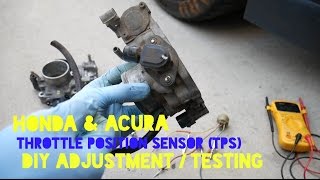
🎬 Watch this walkthrough on removing rivets and calibrating the new sensor.After installing the new sensor, you must perform two critical procedures:
- TPS Calibration: Using a multimeter, you must rotate the new sensor until the output voltage reads correctly (approximately 0.5V at idle). The new sensor has elongated mounting holes to allow for this adjustment.
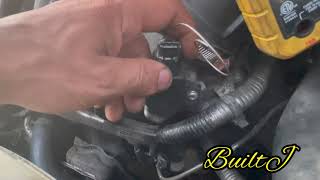
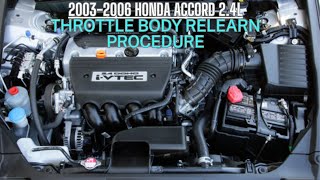
- Idle Relearn Procedure: After the sensor is calibrated and the battery is reconnected, the car's computer needs to relearn the new idle position. The general procedure involves warming the engine up, holding the RPM at 3,000 until the radiator fan comes on, and then letting the car idle for at least five minutes with no accessories on. 🎬 See how to perform this idle relearn procedure without special tools.
Cost of Replacing a Throttle Position Sensor
| Part/Service | Estimated Cost |
|---|---|
| New Aftermarket TPS | $24 - $81 |
| Shop Labor for TPS Replacement | $65 - $125 |
| Total Professional Job | $90 - $206 (estimated) |
| New OEM Throttle Body Assembly | $300+ |
Frequently Asked Questions

Do I have to replace the whole throttle body?
While Honda recommends replacing the entire throttle body, it is not always necessary. If the sensor is the only part that has failed, you can save a significant amount of money by purchasing an aftermarket sensor and replacing it yourself or having a shop do it.
What is an 'idle relearn' and is it required?
Yes, an idle relearn procedure is required after replacing the TPS or disconnecting the battery. This process allows the car's computer (ECU) to learn the new sensor's baseline reading for the closed-throttle position, ensuring a smooth and stable idle.
Can I just clean my old TPS?
No, the TPS is a sealed electronic sensor and cannot be cleaned. The failure is usually internal wear on its electrical contacts. While cleaning the throttle body itself is good maintenance and can solve some idle issues, it will not fix a faulty TPS.
What are the most common trouble codes for a bad TPS?
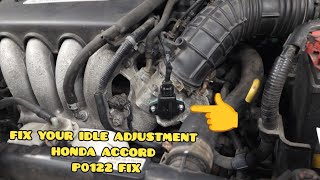
The most common Diagnostic Trouble Codes (DTCs) are P0122 (Throttle Position Sensor Circuit Low Voltage) and P0123 (Throttle Position Sensor Circuit High Voltage). These codes indicate the signal from the sensor is outside its expected range.
🎬 Watch a diagnostic guide for fixing the P0122 trouble code.Is this the same as the Accelerator Pedal Position (APP) Sensor?
No. Some later model Accords (typically 2003 and newer) use a 'drive-by-wire' system that does not have a traditional throttle cable. Those vehicles have an Accelerator Pedal Position (APP) sensor connected to the gas pedal inside the car. This guide is for the Throttle Position Sensor (TPS) located on the throttle body in the engine bay, common on cable-driven throttle systems within this year range.
Helpful Videos
Technical Specifications
Voltage: Approx. 0.5V (closed throttle) to 4.5V (wide-open throttle). Mounts to the throttle body, typically with two fasteners. Aftermarket versions replace factory rivets with screws.
We Have This Part in Stock

The information in this article is provided for general reference and educational purposes only. Vehicle specifications, procedures, and part compatibility can vary by production date, trim level, and region. Always consult your vehicle's factory service manual and verify part numbers before purchasing or performing repairs. Safety-critical components such as airbags, seat belts, and braking systems should be installed by a qualified professional.
- Honda Accord: