

Mitsubishi Eclipse Accessory Drive Belt Guide for 1999-2006 Models
Don't order the wrong part—your Eclipse's engine determines which accessory belt you need.
- You MUST verify your engine (2.4L 4-Cylinder or 3.0L/3.8L V6) before ordering, as the belt systems are different.
- 2000-2005 2.4L models use two belts; V6 models and all 2006 models use a single belt.
- For long-term reliability, always replace the belt tensioner(s) and idler pulleys when you replace the belt.
- If you have a 2000-2005 2.4L model and the belt fails, your engine will overheat. Pull over and shut it off immediately.
Understanding Your Eclipse's Belt System
Before buying a new accessory belt for your Mitsubishi Eclipse, you must know your exact year and engine. The 1999-2006 range covers three different generations with unique belt systems, and ordering the wrong part is a common mistake.
- 1999 Eclipse (2G): These models use a manual tensioner system.
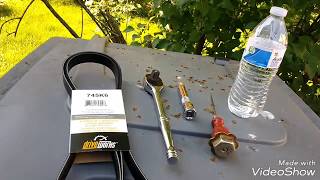
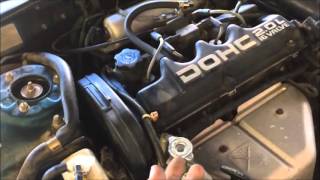
- 2000-2005 Eclipse (3G) 2.4L 4-Cylinder: This engine uses two separate belts. One drives the alternator and water pump, while the second runs the power steering and A/C. A failure on this engine can cause rapid overheating. 🎬 See this walkthrough for replacing belts on a 3G Eclipse.
- 2000-2005 Eclipse (3G) 3.0L V6: This engine uses a single serpentine belt for all accessories. The water pump is driven by the timing belt, not the accessory belt.
- 2006 Eclipse (4G) 2.4L & 3.8L V6: Both engines use a single serpentine belt and a modern, spring-loaded automatic tensioner.
Signs of a Failing Accessory Belt
A worn belt provides clear warning signs. Ignoring them will lead to a breakdown.
- Loud Squealing or Chirping: This is the most common symptom, especially on cold starts or during sharp turns. It's caused by the belt slipping due to wear, low tension, or fluid contamination.
- Visible Damage: Inspect the belt for cracks, fraying, missing ribs, or a glazed, shiny appearance on the smooth side. Any of these signs mean the belt's integrity is compromised.
- Accessory Problems: If your battery warning light comes on, your power steering feels heavy, or your A/C stops blowing cold, the belt may be slipping badly or have already snapped.
- Engine Overheating: For 2000-2005 2.4L models, the engine temperature gauge will rise quickly if the belt fails, as the water pump will stop circulating coolant. Pull over immediately if you see this.
Choosing the Right Aftermarket Belt
For a wearable part like an accessory belt, high-quality aftermarket brands provide excellent performance, often meeting or exceeding OEM specifications. There is little practical benefit to paying a premium for a dealer part. The available brands are all solid choices for your Eclipse.
| Brand Tier | Brands | Honest Assessment |
|---|---|---|
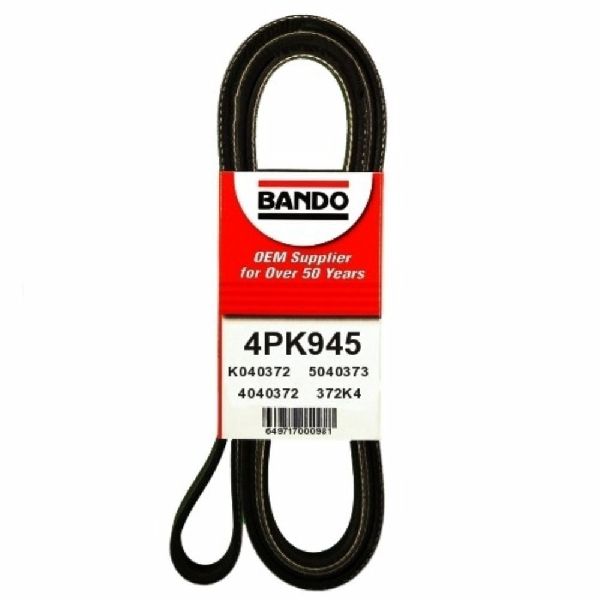
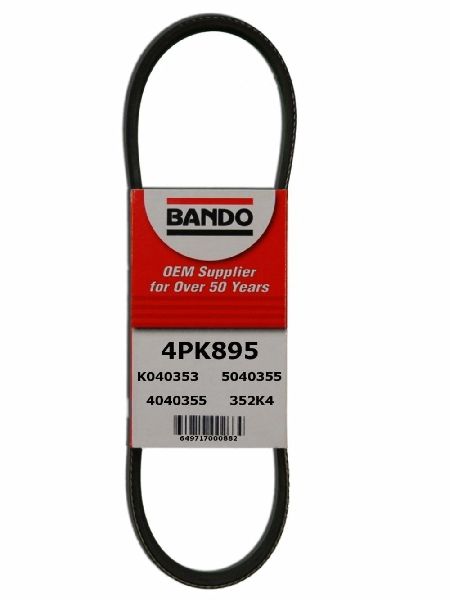
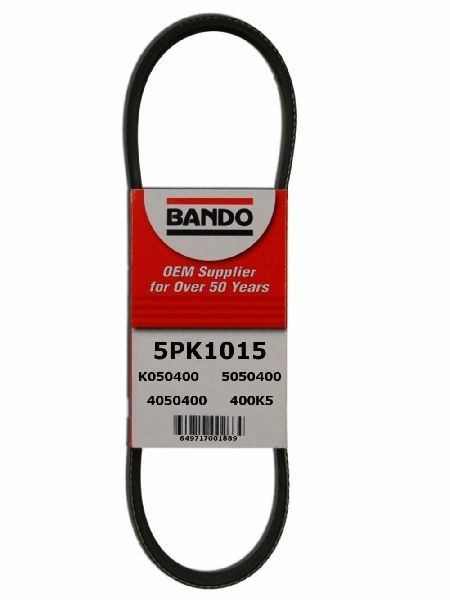
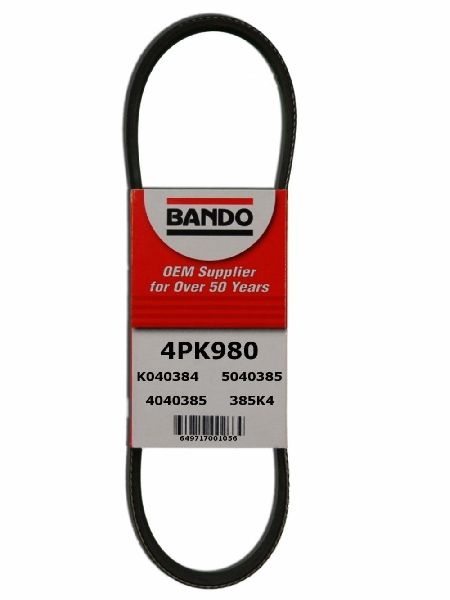
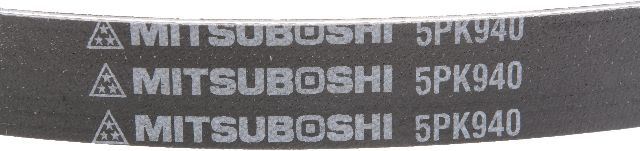
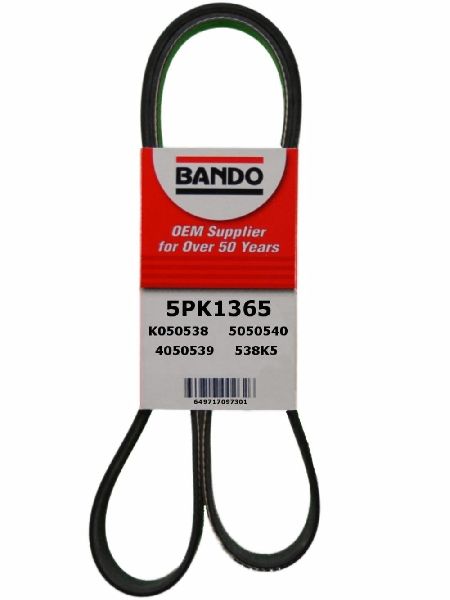
| Tier 1 (OEM Supplier) | Bando, Mitsuboshi | Both Bando and Mitsuboshi are well-known original equipment manufacturers for Japanese vehicles like your Mitsubishi. They are trusted by mechanics and considered a direct, high-quality replacement for the original belt. You can install these with confidence. |
| Tier 2 (Quality Aftermarket) | ACDelco | ACDelco is a reputable and widely available aftermarket brand that offers a great balance of performance and value. It's a reliable choice for a daily driven Eclipse. |
Frequently Asked Questions (FAQ)
Is the accessory belt the same as the timing belt?
No, they are completely different and serve separate functions. The accessory belt runs components on the outside of the engine. The timing belt is inside a cover and keeps the engine's internal parts synchronized. A timing belt failure on any 1999-2006 Eclipse engine will cause catastrophic engine damage.
How often should I replace the accessory belt?
A good rule of thumb is to inspect the belt at every oil change and plan to replace it every 60,000 to 100,000 miles, or as soon as you see signs of wear. Given the age of these cars, if you don't have service records, replacing it is a wise investment.
Can I do this replacement myself?
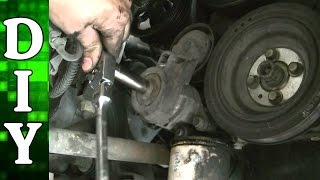
Yes, this is a very DIY-friendly job for most home mechanics. The 2006 models with automatic tensioners are simpler. 🎬 Watch how to change a 4G serpentine belt in minutes. Earlier models with manual tensioners require a few extra steps to loosen and tighten the adjustment bolts but are still manageable with basic hand tools. You will typically need to remove the passenger-side front wheel and a plastic splash shield for access.
Were there any recalls for the accessory belt on the 1999-2006 Eclipse?
No, there were no specific recalls issued by the NHTSA for the accessory drive belt or its components on the 1999-2006 Mitsubishi Eclipse. However, recalls were issued for faulty belt tensioners on later model years (2008-2012), which suggests that the tensioner is a component that warrants inspection.
Helpful Videos
Technical Specifications
OEM Part Numbers: MN158101 MZ690264 MN187016 MN187017
Material: EPDM (Ethylene Propylene Diene Monomer) rubber is the modern standard, offering superior resistance to heat and cracking compared to older neoprene belts. The number of ribs and length are specific to your engine and year.
We Have This Part in Stock

The information in this article is provided for general reference and educational purposes only. Vehicle specifications, procedures, and part compatibility can vary by production date, trim level, and region. Always consult your vehicle's factory service manual and verify part numbers before purchasing or performing repairs. Safety-critical components such as airbags, seat belts, and braking systems should be installed by a qualified professional.
- Mitsubishi Eclipse: