

Ford E-350 Super Duty (1999-2007) Disc Brake Caliper Replacement Guide
Everything you need to know about choosing the right new aftermarket brake calipers for your hard-working E-350 van.
- A seized or sticking caliper is a common failure on the E-350, often causing pulling, dragging, and a burning smell.
- When replacing a caliper, it is highly recommended to also replace the flexible rubber brake hose to prevent future issues.
- For heavy-duty use, consider calipers from OE-quality or performance brands like Raybestos, Centric, or Powerstop with steel pistons.
- Always replace calipers in pairs (both fronts or both rears) and bleed the entire brake system afterward to ensure safety and performance.
Symptoms of a Failing Brake Caliper
A bad brake caliper on your E-350 isn't just an inconvenience; it's a serious safety issue. Because these vans are often used for work, they see heavy use and their brakes can wear out. A common issue is a seized or sticking caliper. This can happen when the caliper's piston or slide pins corrode and fail to move freely. Look out for these warning signs:
- Pulling to One Side: When you brake, the van sharply pulls to the left or right. This can also happen while driving straight if a caliper is severely stuck.
- Brake Dragging: It might feel like the van is sluggish or that the parking brake is partially on. You may notice one wheel is significantly hotter than the others after a drive.
- Burning Smell: A strong, acrid burning smell from a wheel indicates a dragging brake is overheating, which can damage the rotor, hub, and even pose a fire risk.
- Uneven Brake Pad Wear: When inspecting your brakes, if one pad is worn down much more than the other, it's a classic sign of a sticking caliper or seized slide pins.
- Brake Fluid Leaks: Puddles of oily fluid near your wheel could be a leaking caliper. This will also cause a soft or spongy brake pedal.
Choosing the Right Aftermarket Caliper
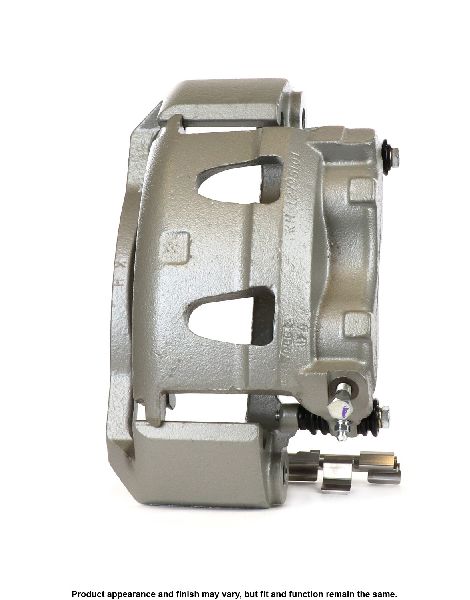
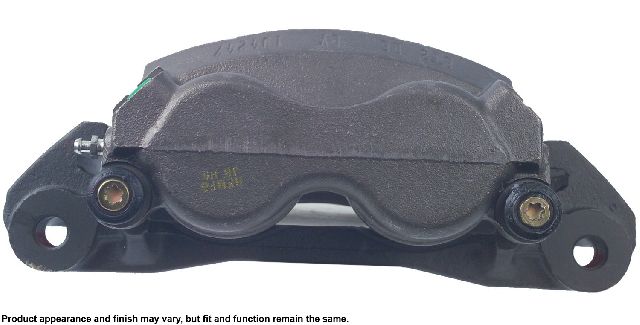
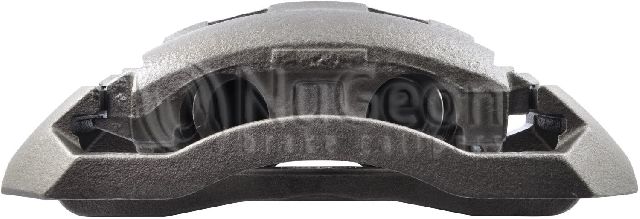
For a workhorse like the E-350, you don't want to cut corners on brakes. While OEM Motorcraft parts are always a solid choice, high-quality aftermarket calipers can offer excellent performance and value. Many aftermarket calipers are remanufactured, but new options are also widely available. New calipers are often preferred as they guarantee no prior wear or internal corrosion.
Brand Tiers for Your E-350
Here’s a breakdown of the available brands to help you choose:
- Economy/Standard (Cardone, Dynamic Friction): These brands offer affordable, direct-fit replacements. They are often remanufactured and are a good choice for general use on a budget. Quality can sometimes be inconsistent with remanufactured parts, so inspect them carefully before installation.
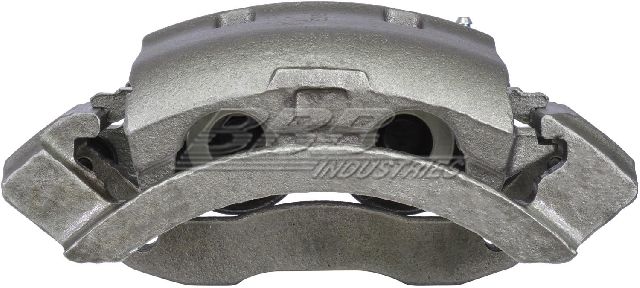
- OE-Quality (Centric, Raybestos, BBB Industries): These brands are well-regarded for producing parts that meet or exceed original equipment specifications. Raybestos and Centric, in particular, are known for good quality control and offer coated options to help resist rust and corrosion, which is a smart investment.
- Performance/Heavy-Duty (Powerstop): Powerstop is known for performance-oriented brake components. Their calipers are often powder-coated for durability and a clean look. They are an excellent choice if you frequently tow or carry heavy loads, as they are designed for better heat dissipation and reliability under stress.
Known Issues, Recalls, and TSBs
Searches for the 1999-2007 Ford E-350 Super Duty did not reveal any specific recalls or Technical Service Bulletins (TSBs) from the NHTSA directly related to the disc brake calipers themselves. However, problems with sticking calipers, seized slide pins, and deteriorating rubber brake hoses are common issues reported by owners in forums. When replacing calipers, it is highly recommended to also replace the flexible rubber brake hoses, as they can break down internally and cause the new caliper to stick.
Cost to Replace a Ford E-350 Brake Caliper
Here is an estimated cost breakdown for replacing a single disc brake caliper. Prices vary based on your location, brand choice, and whether you do the work yourself.
| Item | Estimated Cost |
|---|---|
| New Aftermarket Caliper (Part Only) | $58.53 - $174.90 |
| Shop Labor Cost (Per Caliper) | $171 - $252 |
| Total Professional Replacement (Per Caliper) | $230 - $427+ |
Frequently Asked Questions (FAQ)
Should I replace brake calipers in pairs?
Yes. It is always recommended to replace brake calipers in pairs (both front wheels or both rear wheels at the same time). This ensures even braking performance and prevents the vehicle from pulling to one side, as a new caliper will function differently than an old, worn one.
What is the difference between phenolic and steel caliper pistons?
Caliper pistons can be made of phenolic (a type of resin) or steel. Phenolic pistons transfer less heat to the brake fluid, which is good, but they can be more prone to cracking under extreme use. Steel pistons are stronger and more durable, making them a better choice for heavy-duty applications like the E-350, especially if you tow or carry heavy loads.
Do I need to bleed the brakes after replacing a caliper?
Absolutely. Whenever you open the hydraulic system by removing a caliper, air gets in. You must bleed the brake system to remove all air bubbles. Air in the lines will cause a spongy pedal and severely reduced braking power.
What are caliper slide pins and why are they important?
Slide pins are bolts that allow the caliper to "float" or move side-to-side as the brake pads wear. If these pins get rusty or lose lubrication, they can seize, causing the caliper to stick and leading to uneven pad wear and brake dragging. Always clean and lubricate the slide pins with high-temperature brake grease during a caliper replacement.
Technical Specifications
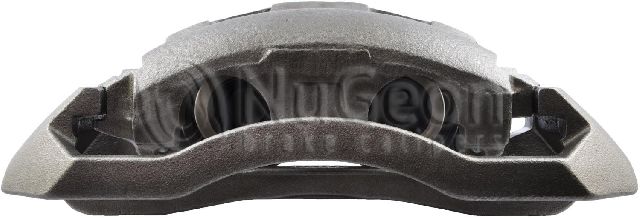
Varies by front/rear and specific model year. Calipers can be single or dual piston. Piston material can be phenolic or steel. Always verify the exact part for your vehicle's VIN.
We Have This Part in Stock

The information in this article is provided for general reference and educational purposes only. Vehicle specifications, procedures, and part compatibility can vary by production date, trim level, and region. Always consult your vehicle's factory service manual and verify part numbers before purchasing or performing repairs. Safety-critical components such as airbags, seat belts, and braking systems should be installed by a qualified professional.
- Ford E-350 Super Duty: