

Toyota Solara Engine Coolant Bypass Hose Guide (1999-2008)
Understand the function, failure signs, and replacement options for your Solara's engine coolant bypass hose.
- A failing bypass hose will most likely cause a coolant leak, which can lead to engine overheating.
- For the 1999-2008 Solara, quality aftermarket brands like Gates, Continental, and Dayco are reliable and cost-effective alternatives to OEM.
- Always confirm your Solara's engine size (4-Cyl or V6) before ordering, as hoses are engine-specific.
- While replacing the bypass hose, inspect all other coolant hoses and clamps and replace them if they show signs of age or wear.
Symptoms of a Failing Bypass Hose
The original rubber hoses on your 1999-2008 Toyota Solara break down over time due to constant exposure to heat and pressure. A failure in a bypass hose can lead to serious issues, so it's important to know the warning signs.
Key Failure Symptoms
- Coolant Leaks: This is the most common sign. You may see puddles of pink or green fluid under your car, or notice a sweet smell after driving. Sometimes, a slow leak will leave a crusty, chalky white or pink residue around the hose connections 🎬 See how to identify and fix common Toyota coolant leaks. or on the thermostat housing.
- Engine Overheating: If the hose leaks enough coolant, the engine's temperature will rise. An overheating engine is a serious problem that can cause permanent damage if not addressed immediately.
- Low Coolant Level: A slow leak might not leave a puddle, but you'll find yourself needing to top off the coolant reservoir frequently.
- Visible Hose Damage: During an inspection, you might see cracks, splits, or bulging in the hose, especially near the clamps. The hose may also feel spongy or soft when squeezed (do this only when the engine is cool).
Choosing the Right Aftermarket Hose
For the 1999-2008 Toyota Solara, the original equipment (OEM) hoses are known for their durability, but high-quality aftermarket options provide excellent performance and value. There is no significant quality difference between reputable aftermarket brands and the OEM part for this specific component on this vehicle.
When choosing a replacement, focus on trusted brands known for their materials and proper fitment:
- Tier 1 (Premium Aftermarket): Brands like Gates, Continental, and Dayco are well-regarded in the industry. They manufacture hoses that meet or exceed OEM specifications. Forum discussions among Toyota owners often show a preference for Gates, but Continental and Dayco are also considered reliable choices. These hoses are made from quality rubber compounds designed to resist heat and chemical breakdown.
- Tier 2 (Standard Aftermarket): While there are cheaper, unbranded options available, they are not recommended. The risk of poor fitment or premature failure is higher, which can lead to catastrophic engine damage from overheating. Sticking with a known brand is a small price to pay for peace of mind.
Pro Tip: Always verify the exact year and engine size (2.4L 4-cylinder, 3.0L V6, or 3.3L V6) of your Solara before ordering. Bypass hoses are specifically molded and are not interchangeable between different engines. When replacing any cooling system hose, it's also a good idea to inspect and replace the spring-style clamps if they appear rusty or weak.
Cost of Replacement
The cost to replace an engine coolant bypass hose is relatively low for the part itself, with labor making up the bulk of the expense if you use a professional mechanic.
| Part/Service | Estimated Cost |
|---|---|
| New Aftermarket Hose | $11 - $135 |
| Shop Labor | $100 - $200 |
| Total (DIY) | $11 - $135 |
| Total (Professional) | $111 - $335 |
Frequently Asked Questions (FAQ)
Are there any recalls for the Solara coolant bypass hose?
No, there are no specific recalls or major Technical Service Bulletins (TSBs) for the engine coolant bypass hose on the 1999-2008 Toyota Solara. Later model Toyotas have had issues with a more complex electronic coolant bypass valve, but this does not apply to the Solara 🎬 Learn about the electronic bypass valve issues in newer Toyotas. of this generation.
Can I replace the bypass hose myself?
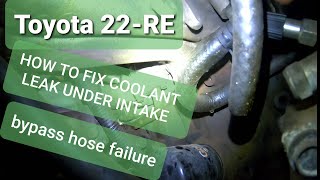
Yes, for a mechanically inclined owner, this is a feasible DIY job. The difficulty depends on the hose's location, which can sometimes be under the intake manifold, making access tight. You will need to drain some coolant, remove the old hose and clamps, install the new hose, and then refill and bleed the air from the cooling system.
🎬 Watch a step-by-step guide on replacing a Toyota bypass hose.Should I use OEM or aftermarket hoses?
For this part, high-quality aftermarket brands like Gates, Dayco, or Continental offer comparable quality and fit to the OEM part for a lower price. Given the age of the vehicle, a reputable aftermarket hose is a smart and cost-effective choice.
What type of coolant should I use in my Solara?
Always use a pink or red Asian vehicle formula coolant. Using the wrong type of coolant can lead to corrosion and damage to cooling system components.
Should I replace other parts at the same time?
When replacing one cooling hose, it is wise to inspect all of them, including the main upper and lower radiator hoses. If they are original, feel soft, or show signs of wear, it is cost-effective to replace them all at once to prevent future failures. Also, inspect the hose clamps and replace them if they are corroded or weak.
Helpful Videos
Technical Specifications
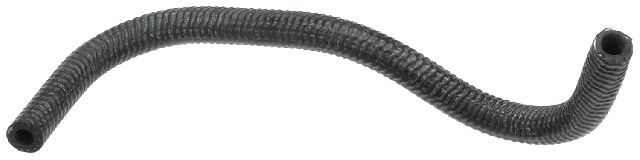
OEM Part Numbers: 16267-20040 16267-0A040 16261-0A070 16261-20010
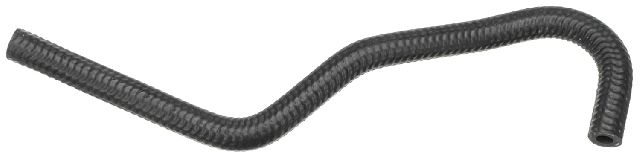
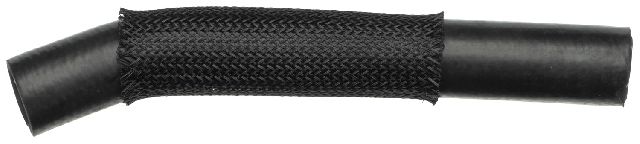
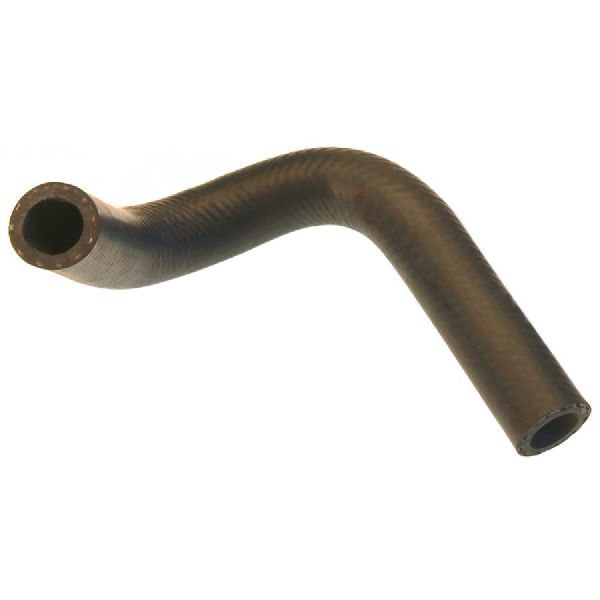
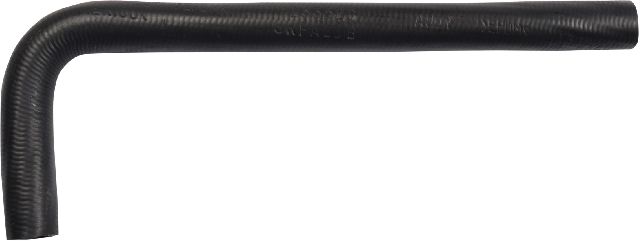
Molded rubber construction, specific to engine type (2.4L 4-Cyl, 3.0L V6, 3.3L V6) and vehicle year.
We Have This Part in Stock

The information in this article is provided for general reference and educational purposes only. Vehicle specifications, procedures, and part compatibility can vary by production date, trim level, and region. Always consult your vehicle's factory service manual and verify part numbers before purchasing or performing repairs. Safety-critical components such as airbags, seat belts, and braking systems should be installed by a qualified professional.
- Toyota Solara: