

Toyota Solara Radiator Guide: Choosing the Right Replacement for 1999-2008 Models
If your Solara is overheating or leaking coolant, this guide will help you choose the best new aftermarket radiator.
- The most common failure is the original radiator's plastic end tanks cracking with age, causing coolant leaks.
- For this vehicle, a quality aftermarket brand like Denso, Koyorad, or Spectra offers the best value.
- Always replace the radiator cap, thermostat, and hoses at the same time for a complete and reliable repair.
- Verify your exact year and engine (4-Cyl or V6) before ordering, as the parts are not interchangeable.
Is Your Solara's Radiator Failing?
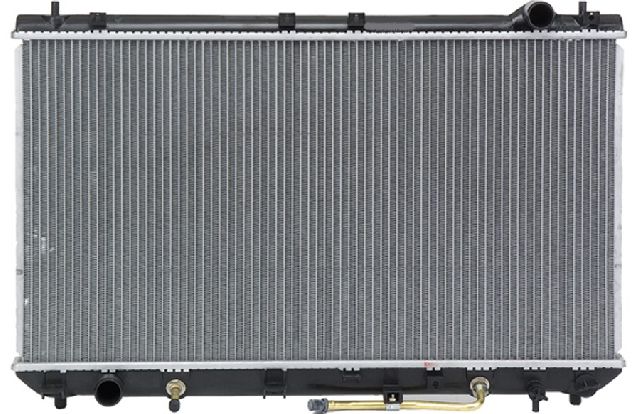
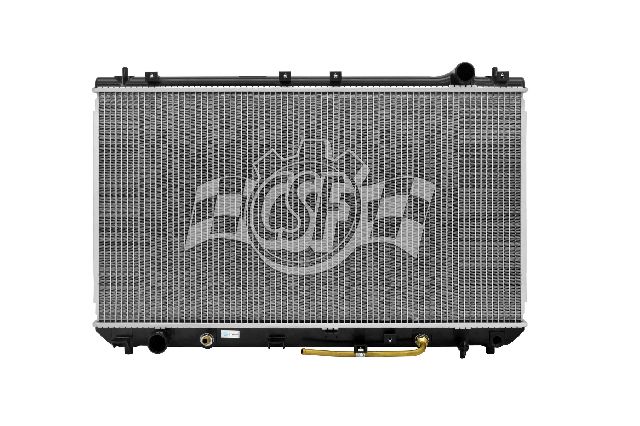
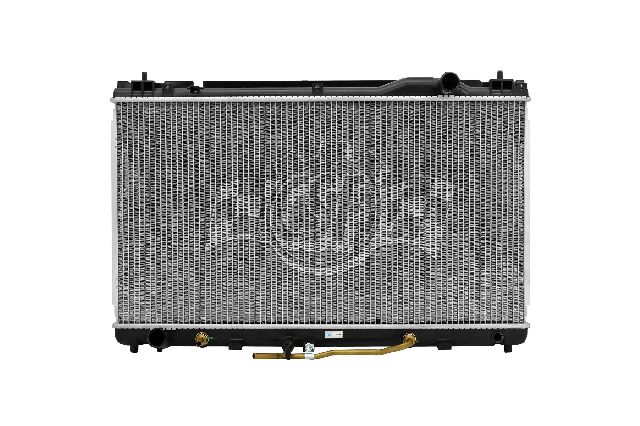
For the 1999-2008 Toyota Solara, the original radiators have a well-known weak point: the plastic end tanks. The main body (core) is aluminum, but the top and bottom tanks are plastic crimped to the core. After years of constant heating and cooling, this plastic becomes brittle and develops hairline cracks. This is the most common reason for radiator failure on these cars.
Look for these classic signs of a bad radiator:
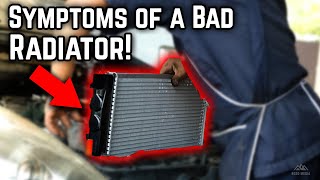
🎬 Watch: A quick guide to signs and symptoms of a bad radiator.- Engine Overheating: The temperature gauge on your dash climbs into the red. You might also see steam coming from under the hood. Pull over immediately if this happens.
- Coolant Leaks: Brightly colored puddles (pink or red for Toyota) under the front of your car are a dead giveaway. You may also see white or pink crusty residue on the radiator itself, especially on the top tank where it connects to the hose.
- Sweet Smell: Leaking coolant burns off on hot engine parts and creates a distinct sweet, syrupy smell.
- Low Coolant Light: If you constantly have to add coolant to the overflow tank, you have a leak somewhere in the system.
A Known Issue: Cracked Plastic End Tanks
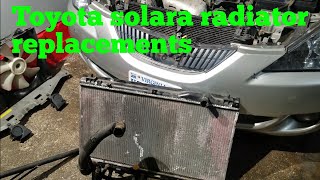
The number one failure point for the original radiator in both first (1999-2003) and second (2004-2008) generation Solaras is cracking of the upper and lower plastic tanks. A small crack can fail completely without warning, leading to rapid coolant loss and severe engine damage. 🎬 See this step-by-step radiator replacement walkthrough for a 2005 Solara. Do not use stop-leak additives, as they can clog the entire cooling system and cause bigger problems.
Choosing the Right Aftermarket Radiator
For a vehicle like the Solara, an aftermarket radiator is a smart, cost-effective choice. The original equipment (OEM) part is high quality, but you can get similar or even better performance from a good aftermarket brand for much less money. Here’s how the brands break down:
- OEM-Equivalent Brands (Excellent Choice): Denso is the original manufacturer for many Toyota parts, including radiators. Choosing a Denso aftermarket radiator is the closest you can get to the original part without the Toyota logo and price tag. They are engineered to fit and perform exactly like the original.
- Premium Aftermarket (High-Quality Choice): Brands like Koyorad and CSF are well-respected in the industry. They often offer designs that meet or exceed OEM specifications and are a trusted choice for a reliable, long-lasting repair.
- Standard Aftermarket (Good Value Choice): Brands like Spectra, APDI, and Onix offer a great balance of quality and affordability. They are designed as direct-fit replacements and are a popular choice for daily drivers. For most Solara owners, these brands provide reliable performance at a very competitive price.
Common Ordering Mistake
The Toyota Solara had two generations (1999-2003 and 2004-2008) and came with different engines (4-cylinder and V6). These models use different radiators. Always verify your Solara's year and engine size before ordering to ensure you get the correct part. Radiators for automatic transmissions include a cooler for transmission fluid; these can be used on manual transmission cars (you just don't connect the cooler lines), but a manual-only radiator cannot be used on an automatic.
Cost of Replacing a Toyota Solara Radiator
Here is a general breakdown of what to expect in terms of cost. Prices vary based on brand, your location, and the repair shop.
| Part Type | Estimated Cost |
|---|---|
| New Aftermarket Radiator | $48 - $250 |
| New OEM Radiator | $255 - $525 |
| Shop Labor | $225 - $450 |
| Total Professional Replacement | $275 - $700+ |
Frequently Asked Questions (FAQ)
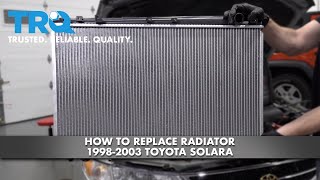
Is this a difficult DIY job? 🎬 Watch: How to replace the radiator on 1999-2003 Solara models.
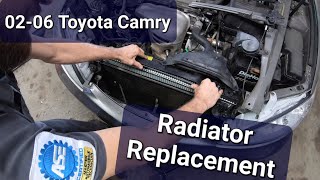
For most home mechanics with basic tools, replacing the radiator on a Solara is very doable. The process involves draining the coolant, disconnecting hoses and electrical fan connectors, unbolting the radiator and fans, and then reversing the process. The difficulty is about a 2 out of 5. There are many helpful video guides online for the contemporary Toyota Camry, which is mechanically very similar.
Do I need to replace the radiator cap and hoses?
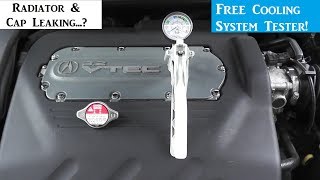
Yes, it is highly recommended. Your new radiator needs a new cap to hold the correct pressure. Old hoses can be brittle or soft and are a likely next failure point. Replacing the radiator cap, upper and lower hoses, and thermostat at the same time is cheap insurance against future problems.
What kind of coolant should I use?
Use a high-quality Asian vehicle-specific coolant, typically pink or red. Using Toyota's OEM Long Life or Super Long Life coolant is the safest bet to prevent corrosion and ensure compatibility. Do not mix coolant types.
Were there any recalls for the Solara radiator?
No, there have been no official recalls issued by the NHTSA for the radiator on any 1999-2008 Toyota Solara model. The common cracking issue is considered a wear-and-tear item due to age and material limitations of the time.
Helpful Videos

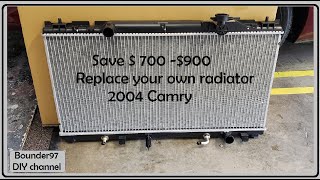
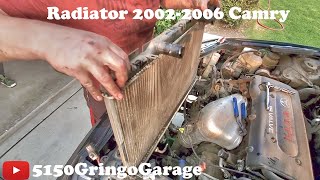
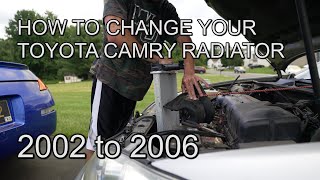
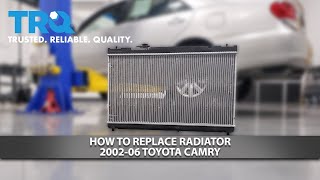
Technical Specifications
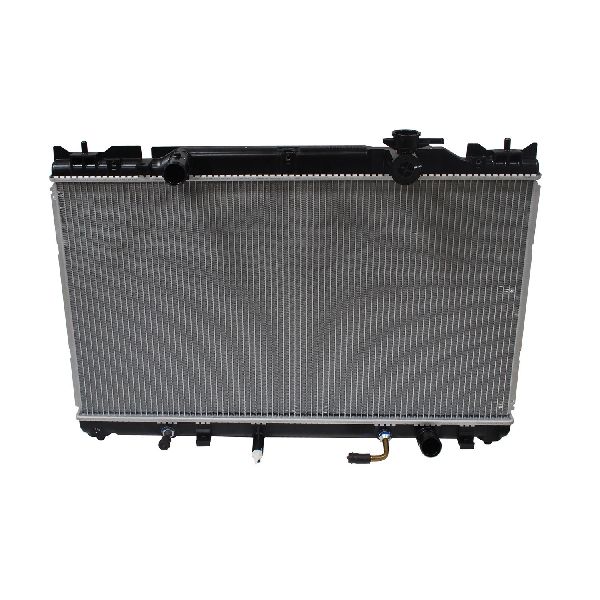
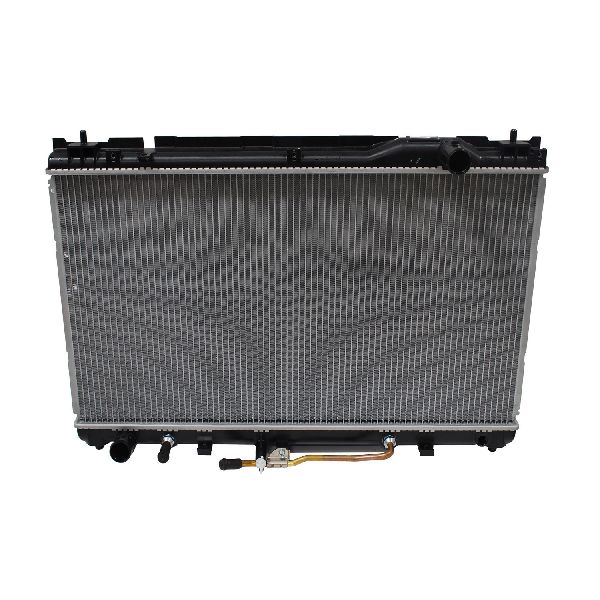
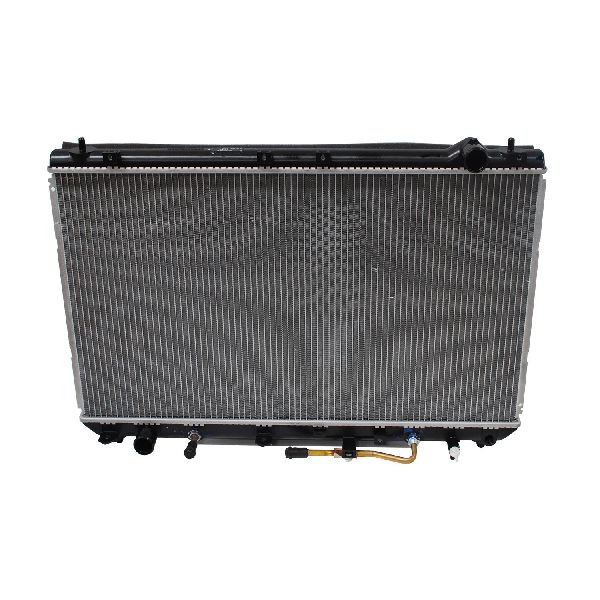
OEM Part Numbers: 164000A420 164000A200 164000H200 164000A050 164000A051 164000A060 1640003142 1640003152
Core Material: Aluminum; Tank Material: Plastic. Construction varies between 4-cylinder and V6 models, as well as between the 1st Gen (1999-2003) and 2nd Gen (2004-2008). Always confirm fitment with vehicle year and engine size.
We Have This Part in Stock

The information in this article is provided for general reference and educational purposes only. Vehicle specifications, procedures, and part compatibility can vary by production date, trim level, and region. Always consult your vehicle's factory service manual and verify part numbers before purchasing or performing repairs. Safety-critical components such as airbags, seat belts, and braking systems should be installed by a qualified professional.
- Toyota Solara: