

Toyota Solara Spark Plug Guide: Choosing the Right Parts for 1999-2008 Models
Keep your Solara's engine running smoothly with the correct aftermarket spark plugs for your specific engine.
- For best results, use OEM-grade aftermarket brands like Denso or NGK, as they were the original suppliers for Toyota.
- On V6 models, use long-life Iridium spark plugs to maximize the time between changes, as the rear three plugs are very difficult to access.
- The replacement job is easy on 4-cylinder engines but challenging on V6 engines due to the rear bank's location under the intake manifold.
- A flashing check engine light with a misfire code (P030X) should be addressed immediately to avoid expensive catalytic converter damage.
Understanding Spark Plugs in Your Solara
Your 1999-2008 Toyota Solara came with one of four possible engines, and the type of spark plug you need depends on your specific engine. The original plugs used by Toyota were typically made by Denso or NGK. When choosing a new aftermarket spark plug, sticking with these brands is a safe bet for reliability and performance. Aftermarket plugs come in different materials, which mainly affects how long they last.
Symptoms of Failing Spark Plugs
When your spark plugs are worn out, your Solara will give you clear signs. Ignoring them can lead to bigger problems, like a damaged catalytic converter. Common symptoms include:
- Rough Idling: The engine shakes or vibrates more than usual when you're stopped.
- Poor Acceleration: The car feels sluggish or slow to respond when you press the gas pedal.
- Reduced Fuel Economy: You find yourself filling up the gas tank more often than before.
- Engine Misfires: The engine stumbles or hesitates, and the Check Engine Light may flash or stay on. This often registers codes like P0300, P0301, etc.
- Difficulty Starting: The engine takes longer to crank over before it starts.
Choosing the Right Aftermarket Spark Plug
With 36 different products available, picking the right one can seem confusing. The main differences are the brand and the material of the electrode tip. For your Solara, the choice is straightforward.
Brand Tiers
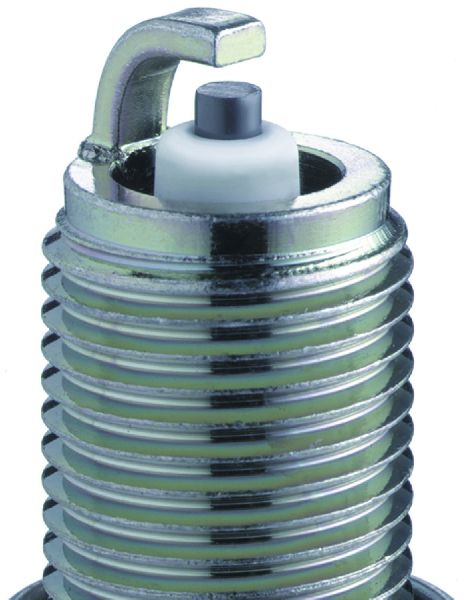
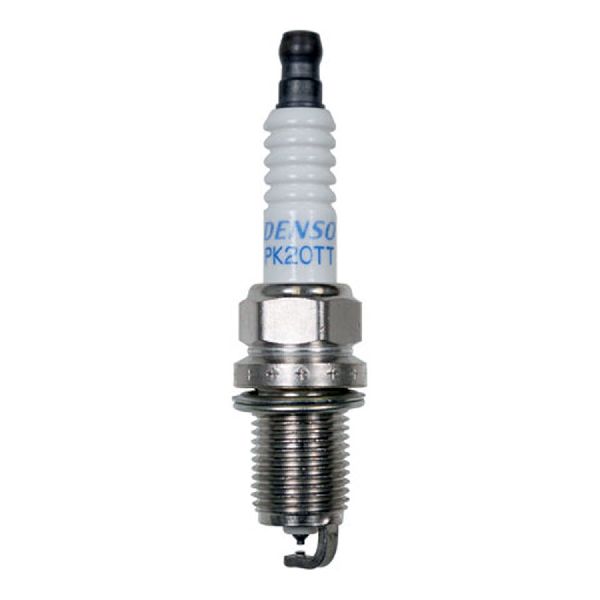
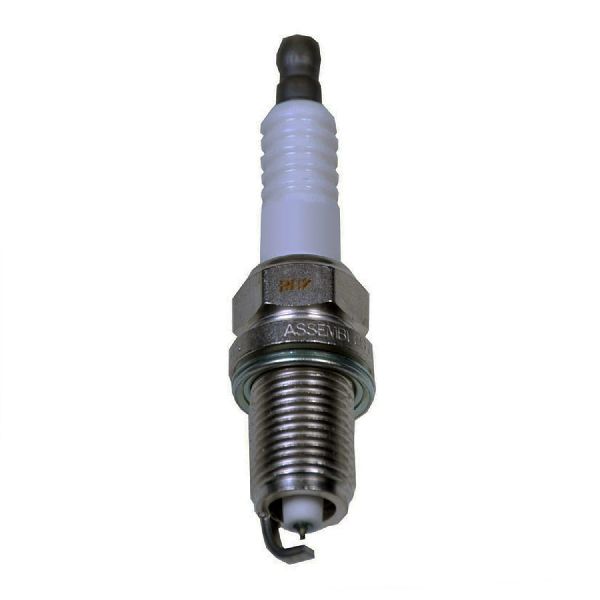
- OEM-Grade (Recommended): Denso and NGK are the original equipment manufacturers for Toyota. They are proven to work best with your Solara's ignition system. Choosing their Iridium or Platinum options provides the best combination of performance and longevity.
- High-Quality Alternative: Bosch offers excellent Double Iridium and Platinum plugs that are a reliable alternative to the OEM brands. They are engineered for long life and consistent performance.
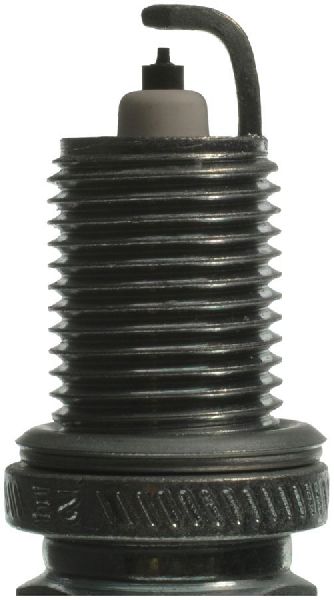
- Standard/Economy: Autolite and Champion provide good, affordable options, often with copper or standard platinum tips. These are fine for regular maintenance, but they won't last as long as iridium plugs, requiring more frequent changes.
Material Types & Longevity
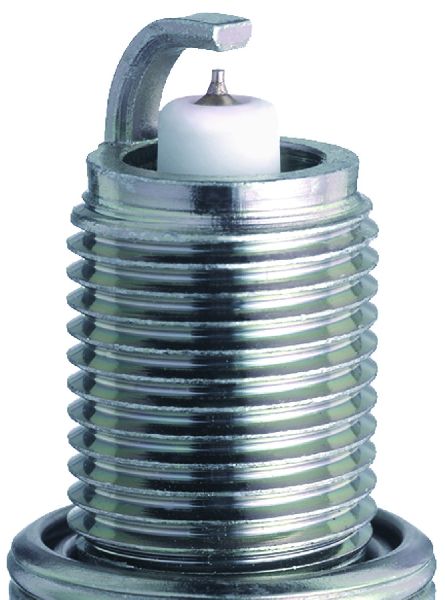
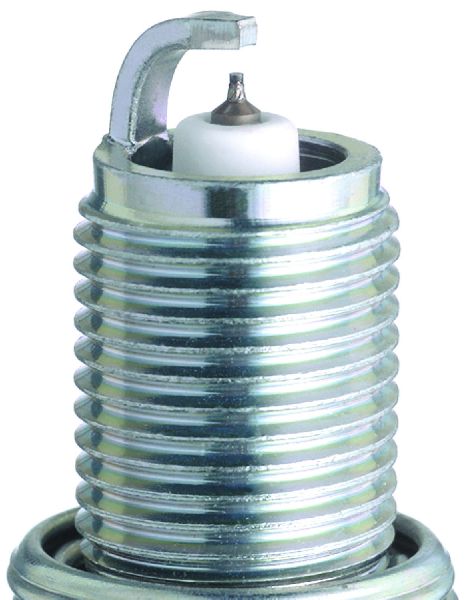
- Iridium: These are the best you can get for longevity, often lasting 100,000 miles or more. They maintain a stable spark for a very long time. This is highly recommended for the V6 engines, where some plugs are very hard to reach.
- Platinum/Double Platinum: A great middle-ground, typically lasting between 60,000 and 80,000 miles. They offer excellent performance and are a significant upgrade over standard plugs.
- Copper/Nickel: These are basic plugs with the shortest lifespan, often needing replacement every 30,000 miles. While they are inexpensive, the labor involved in changing them (especially on a V6) makes a longer-lasting plug a better value.
Aftermarket Spark Plug Cost
| Plug Type | Typical Price (per plug) | Best For |
|---|---|---|
| Iridium (Denso, NGK, Bosch) | $10.00 - $20.58 | Maximum longevity; V6 engines |
| Platinum (Bosch, Autolite) | $5.00 - $12.00 | Long-term value and performance |
| Copper/Nickel (Champion, Autolite) | $3.55 - $7.00 | Budget-conscious, frequent maintenance |
Installation Tips & Known Issues
There are no recalls or major Technical Service Bulletins (TSBs) from Toyota specifically for spark plug failure on the 1999-2008 Solara. The primary challenge with this job depends entirely on which engine you have.
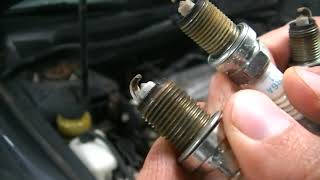
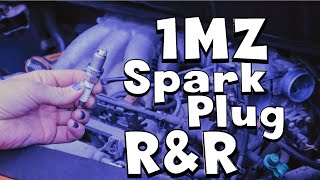
- 4-Cylinder (2.2L & 2.4L): This is an easy DIY job. All four spark plugs are located on top of the engine and are easily accessible by removing the plastic engine cover and ignition coils. 🎬 Watch this step-by-step guide for 4-cylinder spark plug replacement.
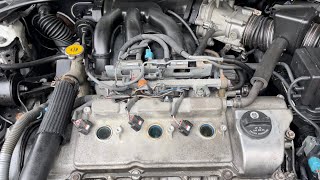
- V6 (3.0L & 3.3L): This job is more complex. The front three plugs are easy. However, the rear three plugs are located underneath the air intake manifold.
V6 Rear Spark Plug Pro-Tip
Many repair manuals and shops will tell you the intake manifold must be removed to change the rear three spark plugs on the V6 engines—a job that adds 2-3 hours of labor. However, many experienced DIY mechanics have successfully changed the rear plugs without removing the manifold. This requires a specific combination of socket extensions and universal/wobble joints to reach the bolts and plugs. It is challenging and requires patience, but it can save significant time and money.
🎬 See how to change V6 rear plugs without removing the manifold.Frequently Asked Questions (FAQ)
Which spark plug brand is truly the best for my Solara?
For the 1999-2008 Toyota Solara, you cannot go wrong with Denso or NGK. They were the original parts supplier and offer the most reliable performance and compatibility. Choosing between them often comes down to price and availability.
How often should I change my spark plugs?
This depends on the type of plug. Basic copper plugs may need changing every 30,000 miles. Long-life iridium plugs, which are recommended for the V6, can last 100,000 miles or more. Always check your owner's manual or the plug manufacturer's recommendation.
What's the difference between Iridium and Platinum plugs?
Both are long-life precious metals used on the spark plug's electrode. Iridium is harder and has a higher melting point than platinum, which allows it to last longer and maintain a precise spark for more miles. For the difficult rear plugs on a V6 Solara, iridium is the smarter investment to extend the time between changes.
My check engine light is on for a misfire. Should I just change the plugs?
Worn spark plugs are a very common cause of misfire codes (P0300-P0306). If the plugs are old, replacing them is an excellent first step and often solves the problem. However, a misfire can also be caused by a bad ignition coil, clogged fuel injector, or vacuum leak, so further diagnosis may be needed if new plugs don't fix the issue.
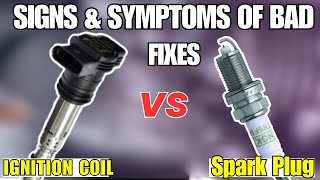
🎬 Learn how to diagnose if your misfire is a plug or coil.Do I need to gap my new spark plugs?
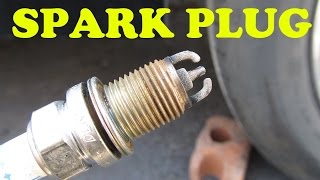
Most modern iridium and platinum spark plugs from brands like NGK, Denso, and Bosch come pre-gapped from the factory for your specific vehicle. It is recommended not to adjust the gap on these fine-wire plugs, as you can easily damage the delicate electrode tip. You can gently check the gap with a feeler gauge to ensure it's correct, but do not try to change it.
Helpful Videos

Technical Specifications
OEM Part Numbers: 90919-01210 90919-01194 90919-01195 90080-91180 90919-01237 SK20R11
Varies by engine. Gen 1 (1999-2003) used 2.2L 5S-FE or 3.0L 1MZ-FE engines. Gen 2 (2004-2008) used 2.4L 2AZ-FE or 3.3L 3MZ-FE engines. Plug type (Copper, Platinum, Iridium) and gap depend on the specific engine and year.
We Have This Part in Stock

The information in this article is provided for general reference and educational purposes only. Vehicle specifications, procedures, and part compatibility can vary by production date, trim level, and region. Always consult your vehicle's factory service manual and verify part numbers before purchasing or performing repairs. Safety-critical components such as airbags, seat belts, and braking systems should be installed by a qualified professional.
- Toyota Solara:
- 🎬 Helpful Videos
- 🛍️ Shop This Part
- Understanding Spark Plugs in Your Solara
- Symptoms of Failing Spark Plugs
- Choosing the Right Aftermarket Spark Plug
- Brand Tiers
- Material Types & Longevity
- Aftermarket Spark Plug Cost
- Installation Tips & Known Issues
- V6 Rear Spark Plug Pro-Tip
- Frequently Asked Questions (FAQ)
- 🎟️ Get 5% Off