

A Comprehensive Guide to the 1999-2011 Saab 9-3 Serpentine Belt
Everything you need to know about keeping your Saab's engine accessories running properly with a new serpentine belt.
- Inspect the serpentine belt at every oil change for cracks, fraying, or glazing.
- For maximum reliability, always replace the belt tensioner and idler pulleys at the same time as the belt.
- A squealing noise is the most common early warning sign of a failing belt or pulley.
- Premium aftermarket brands like Continental and Gates offer OEM-quality performance for your Saab 9-3.
Signs of a Failing Serpentine Belt
A failing serpentine belt on a Saab 9-3 will give you several warning signs. Ignoring them can lead to being stranded. Be alert for these symptoms:
- Squealing or Chirping Noises: This is the most common symptom. A high-pitched squeal, especially when you start the car or during sharp turns, often means the belt is slipping because it's worn or loose.
- Visible Wear and Damage: A visual inspection can reveal a lot. Look for cracks, fraying, missing chunks of rubber, or a shiny, glazed appearance on the belt's surface. Any visible damage means it's time for a replacement.
- Accessory or Electrical Issues: If your headlights are dim, the battery warning light is on, the A/C isn't blowing cold, or the power steering feels heavy, the belt may not be properly driving those components.
- Engine Overheating: If the serpentine belt drives the water pump, a failure can stop coolant circulation, causing the engine to overheat quickly.
A Common Point of Failure: Pulleys and Tensioner
Often, the belt itself isn't the first part to fail. A seized idler pulley, a worn-out tensioner pulley bearing, or a failing accessory like an A/C compressor can shred a perfectly good belt. When replacing the belt, it is highly recommended to also replace the tensioner and any idler pulleys. This is considered best practice by experienced mechanics.
Choosing the Right Aftermarket Serpentine Belt
For the Saab 9-3, the original equipment (OEM) manufacturer for belts is often Continental. This means you can get OEM quality without paying dealership prices. Aftermarket brands offer excellent quality, often meeting or exceeding OEM standards.
- Premium Brands (OEM Quality): Brands like Continental and Gates are top-tier choices. They are known for their durability and are often the original supplier to car manufacturers. Many Saab owners trust these brands for reliability.
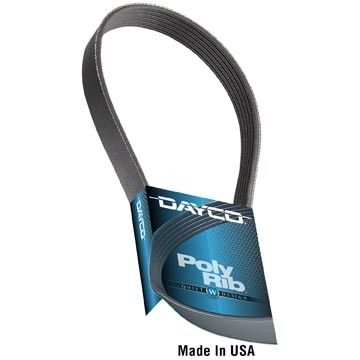
- Standard Brands: Dayco is another well-regarded brand that offers reliable performance and is a popular choice in the aftermarket.
When shopping, you'll see different part numbers based on your engine. The 4-cylinder (B207) and V6 (B284) engines use different length belts. For example, a common belt for the 2.0L 4-cylinder engine is size 5PK1030. Always verify the part fits your specific year and engine before purchasing.
Known Issues, Recalls, and TSBs
While there are no specific recalls for the serpentine belt itself on the 1999-2011 Saab 9-3, the National Highway Traffic Safety Administration (NHTSA) has logged complaints about belt and pulley failures. There are numerous Technical Service Bulletins (TSBs) for this vehicle range, but none point to a systemic design flaw with the serpentine belt system itself. The most common issue reported by owners is the failure of an idler or tensioner pulley, which then causes the belt to break or come off.
| Part/Service | Estimated Cost |
|---|---|
| New Aftermarket Serpentine Belt | $9.83 - $65.56 |
| New OEM Serpentine Belt | $24.00 - $70.00 |
| Shop Labor for Belt Replacement | $75 - $150 |
| Shop Labor for Belt & Tensioner | $150 - $300 |
Frequently Asked Questions (FAQ)
How often should I replace my Saab 9-3's serpentine belt?
The recommended replacement interval is typically every 60,000 miles. However, it's wise to inspect the belt during every oil change or at least every 30,000 to 40,000 miles for signs of wear.
Should I replace the tensioner and pulleys with the belt?
Yes, it is strongly recommended. The tensioner and idler pulleys have bearings that wear out over time. A seized pulley is a very common cause of belt failure on the Saab 9-3. Replacing them all at once is smart preventative maintenance and saves you from doing the same job twice.
Is the serpentine belt for the 4-cylinder engine different from the V6?
Yes. The 4-cylinder (like the B207) and the 2.8L V6 (B284) engines have different accessory layouts and require belts of different lengths. It is critical to buy the correct belt for your specific engine.
What happens if the belt breaks while I'm driving?
If the serpentine belt breaks, you will immediately lose power to the alternator, power steering, and A/C. The battery warning light will come on, and steering will become very heavy. If the belt also drives the water pump, your engine will start to overheat rapidly. You should pull over safely as soon as possible to avoid catastrophic engine damage.
Technical Specifications
OEM Part Numbers: 12827647 55556404 24435940 4961066 93185756
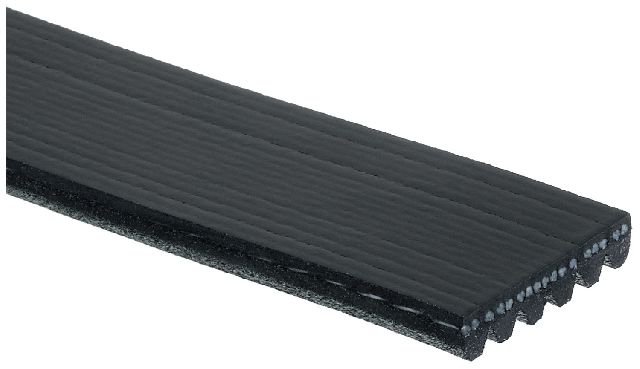
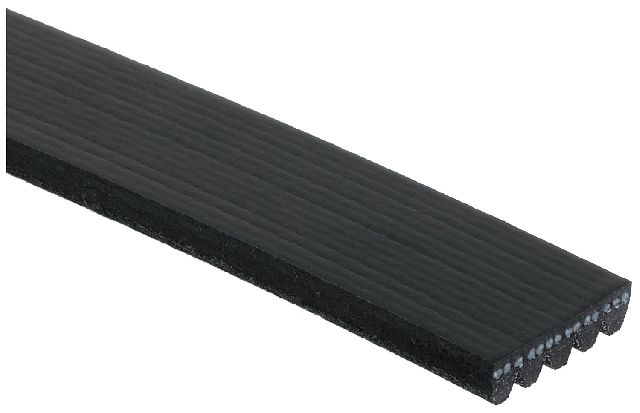
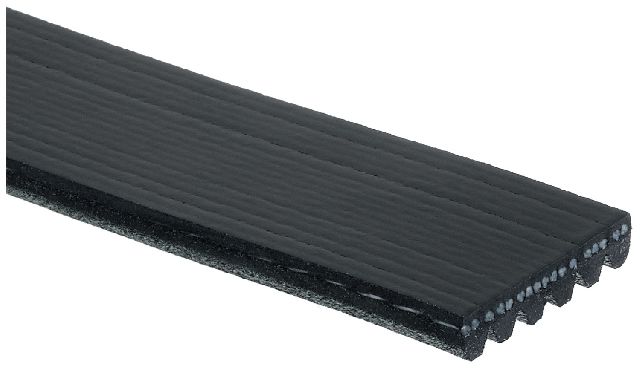
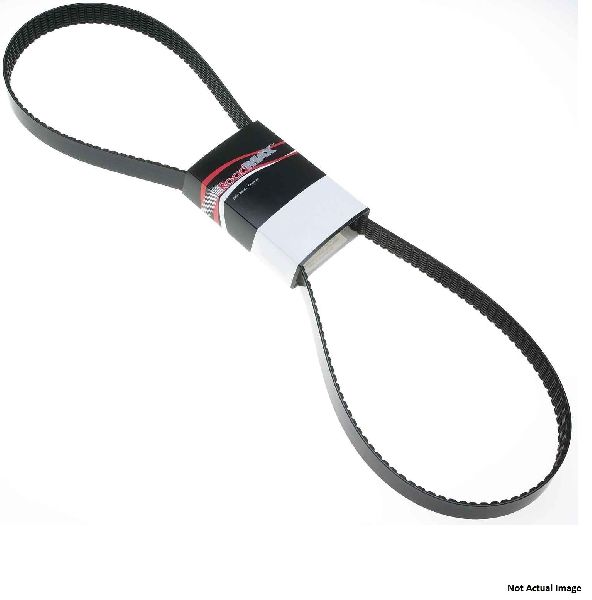
Belt length and number of ribs vary by engine. Common sizes include 5PK1030 for the 2.0L 4-cylinder (B207) and 6PK2120 for the 2.8L V6 (B284). Always confirm fitment with your vehicle's specific year and engine.
We Have This Part in Stock

The information in this article is provided for general reference and educational purposes only. Vehicle specifications, procedures, and part compatibility can vary by production date, trim level, and region. Always consult your vehicle's factory service manual and verify part numbers before purchasing or performing repairs. Safety-critical components such as airbags, seat belts, and braking systems should be installed by a qualified professional.
- Saab 9-3: