

A/C Compressor Replacement Guide for the 1999-2012 Honda Civic
Is your Civic's A/C blowing warm air? Here's what you need to know before replacing the A/C compressor.
- Always check the A/C clutch relay first; it's a cheap and common fix for 2006-2011 Civics.
- You MUST replace the receiver/drier and add the correct amount of PAG oil when installing a new compressor.
- If the old compressor failed catastrophically ('Black Death'), the entire system needs to be flushed and the condenser replaced to protect the new part.
- Denso is the OEM supplier and offers the best quality for an aftermarket replacement, providing long-term reliability.
Is Your Civic's A/C Ready for Summer?


A failing A/C compressor is a common issue in Honda Civics from the 1999-2012 model years. The most obvious sign is warm air from the vents, but other symptoms can give you an early warning. Catching the problem early can sometimes save you from a more expensive repair.
Common Symptoms of a Failing A/C Compressor
- Warm Air: The most common symptom is the A/C system blowing air that isn't cold. This happens when the compressor can no longer pressurize the refrigerant.
- Strange Noises: Grinding, squealing, or roaring sounds from under the hood when the A/C is turned on often point to a failing compressor clutch or bad internal bearings.
- Compressor Clutch Not Engaging: The clutch on the front of the compressor pulley should click and start spinning when you turn on the A/C. If it doesn’t move, or cycles on and off rapidly, it could be a bad clutch, a faulty relay, or an incorrect air gap.
- Visible Leaks: Oily residue on the body of the A/C compressor can indicate a leak from the internal seals or the main shaft seal.
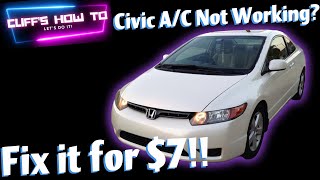
Pro Tip: Before you blame the compressor, check the A/C compressor clutch relay in the under-hood fuse box. 🎬 Watch this video to troubleshoot your Civic's A/C relay first. For many 8th generation Civics (2006-2011), a faulty relay is a very common and inexpensive fix that can mimic the symptoms of a completely failed compressor.
Known Issues: Compressor Clutch and "Black Death"
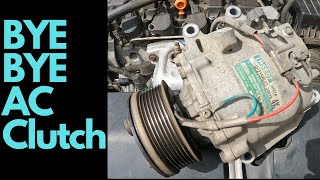
For 7th and 8th generation Civics (2001-2011), the A/C compressor clutch is a frequent point of failure. The clutch can wear out, causing an improper air gap that prevents it from engaging, especially when the engine bay is hot. In some cases, only the clutch assembly needs to be replaced, not the entire compressor.
A catastrophic compressor failure can lead to what mechanics call "Black Death." This is when the compressor's internal parts break apart, sending metal shavings and contaminated oil throughout the entire A/C system. If this happens, you must replace not only the compressor but also the condenser and receiver/drier, and thoroughly flush the entire system to prevent the new compressor from failing immediately.
Choosing the Right Aftermarket A/C Compressor

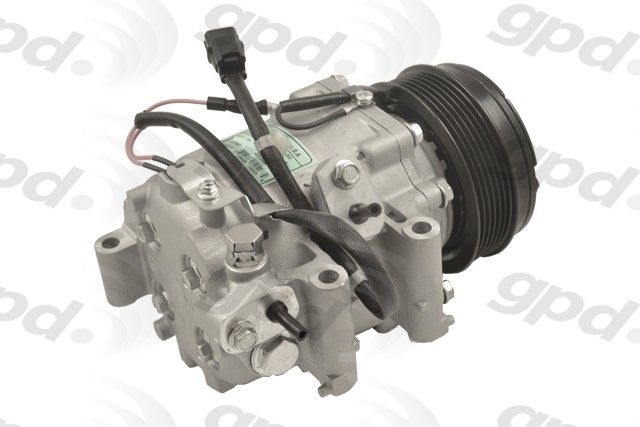
When shopping for a new aftermarket compressor, you'll find a wide range of quality and prices. While an OEM compressor from the dealer is an option, a high-quality aftermarket part can offer similar performance for less money.
| Tier | Brands | Assessment |
|---|---|---|
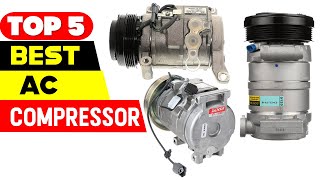
| Top Tier / OEM Supplier | Denso | Denso is a well-regarded OEM supplier for Honda. Choosing a new Denso compressor is the closest you can get to original factory quality. They are known for durability and quiet operation. Many owners and mechanics recommend Denso as the most reliable choice. | 🎬 See a review of the top-rated aftermarket A/C compressors.
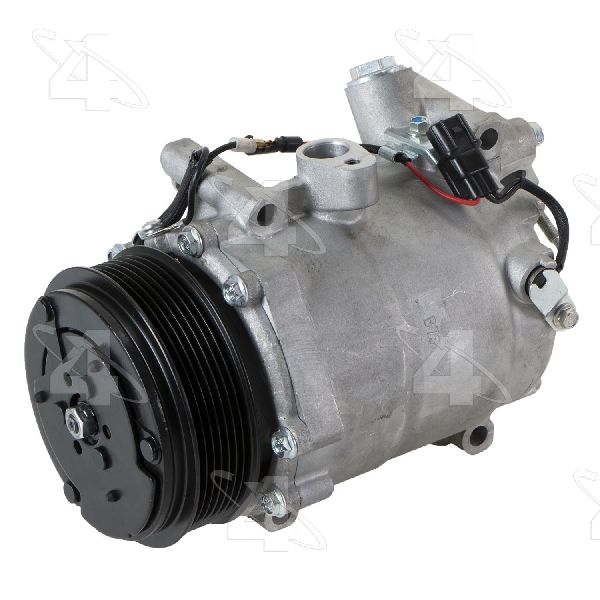
| Mid-Tier / Reputable Aftermarket | Four Seasons, Nissens, Spectra | These brands offer a good balance of price and quality. Four Seasons is a very common aftermarket brand, sometimes even found as a previous replacement on used vehicles. Nissens and Spectra are also solid choices that meet or exceed original specifications. |
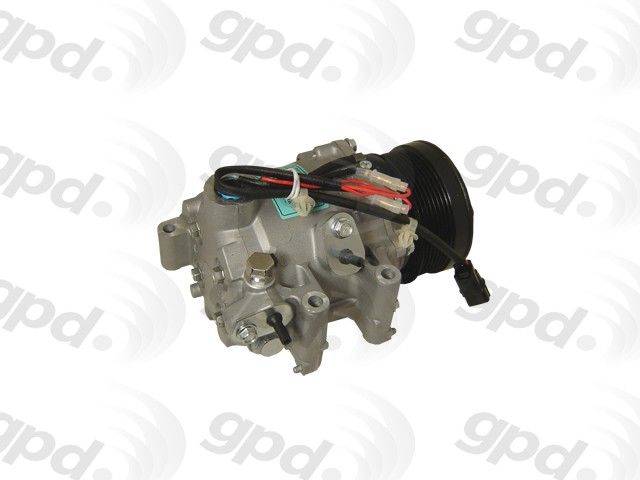
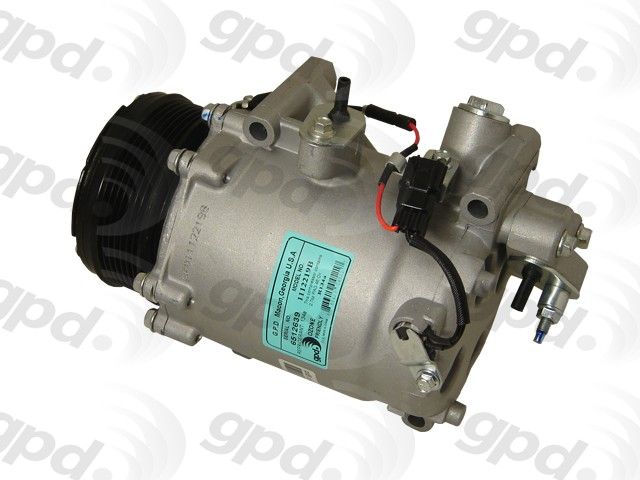
| Economy Tier | Global Parts (and other value brands) | These are the most budget-friendly options. While they can get your A/C working again, their long-term durability can be inconsistent compared to higher-tier brands. They can be a viable option if budget is the primary concern. |
Frequently Asked Questions (FAQ)

Do I need to replace other parts with the compressor?
Yes. At a minimum, you MUST replace the A/C receiver/drier (or accumulator) anytime the system is opened to the atmosphere. The drier contains a desiccant that absorbs moisture, and it becomes saturated once exposed to air. Failing to replace it will cause the new compressor to fail prematurely. If the old compressor failed internally, you should also replace the condenser and expansion valve.
Can I replace the A/C compressor myself?
This is an advanced DIY job. While the mechanical replacement is straightforward for someone with experience, the A/C system requires specialized equipment. The refrigerant must be legally recovered by a certified shop before you start, and after installation, the system needs a vacuum pulled to remove air and moisture before being precisely recharged with refrigerant and oil. For most owners, this job is best left to a professional.
🎬 Watch a step-by-step guide on replacing a Civic A/C compressor.Why did my new aftermarket compressor fail so quickly?
The most common reasons for a new compressor to fail are improper installation or system contamination. This includes not replacing the receiver/drier, not adding the correct amount or type of PAG oil, or failing to flush the system after the original compressor sent debris through the lines ("Black Death"). Using a low-quality, budget compressor can also lead to early failure.
Was there a recall on the A/C compressor for my Civic?
For the 1999-2012 model years, there were no major recalls for the A/C compressor itself. However, Honda did issue Technical Service Bulletins (TSBs) and warranty extensions for A/C components on other generations, like the condenser on 2016-2021 models and the compressor shaft seal on 2016-2021 models. These do not apply to the 1999-2012 Civics, where failures are typically due to age and wear.
Helpful Videos
Technical Specifications
OEM Part Numbers: 38810PLMA11 38810P2FA01 38810RNAA02 38810RRBA01
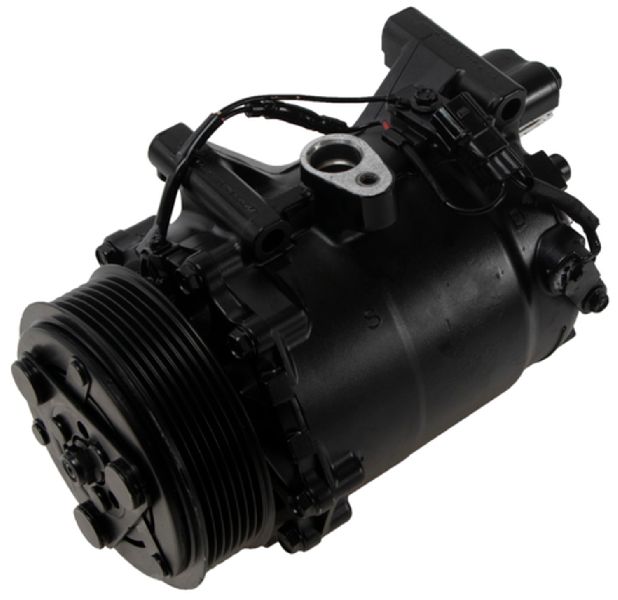
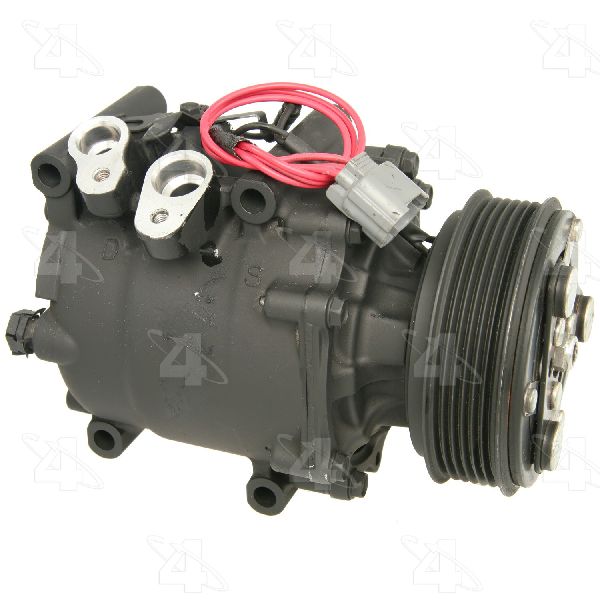
Verify the compressor model (e.g., TRSE07, Sanden) and pulley groove count for your specific engine (1.7L, 1.8L, 2.0L). Always confirm fitment with your vehicle's year and submodel.
We Have This Part in Stock

The information in this article is provided for general reference and educational purposes only. Vehicle specifications, procedures, and part compatibility can vary by production date, trim level, and region. Always consult your vehicle's factory service manual and verify part numbers before purchasing or performing repairs. Safety-critical components such as airbags, seat belts, and braking systems should be installed by a qualified professional.
- Honda Civic: