

Guide to the Engine Coolant Temperature Sensor on a 2000 BMW 323Ci
Is your BMW's temperature gauge acting strange or is your fuel economy dropping? Your coolant sensor might be the culprit.
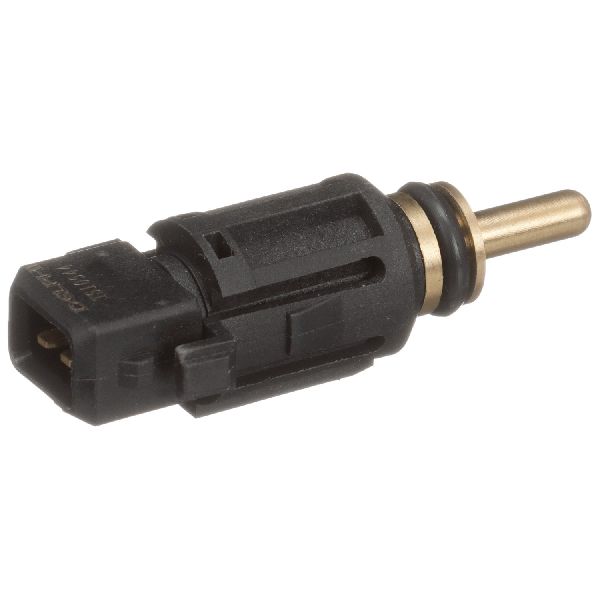
- Your 2000 323Ci has two coolant temp sensors; one in the lower radiator hose for the fan and one in the cylinder head for the engine computer.
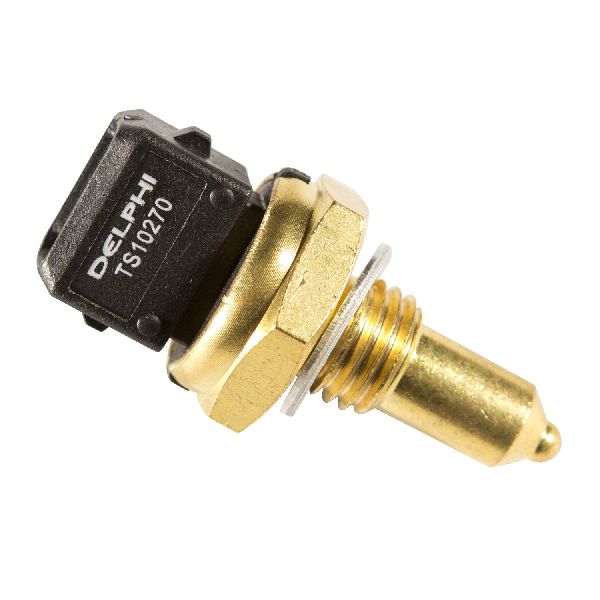
- For reliability, choose OEM supplier brands like Vemo or Delphi over budget brands which have a mixed reputation for fit and longevity.
- The sensor in the lower radiator hose is easy to replace, but the main sensor in the cylinder head requires removing the intake manifold.
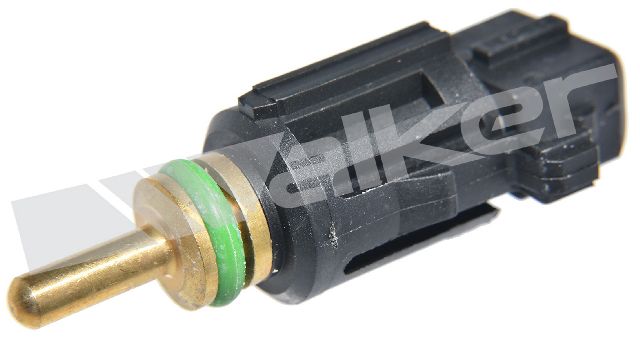
- Always replace the small o-ring with the sensor to prevent coolant leaks, especially when installing a new radiator hose.
Symptoms of a Failing Coolant Temperature Sensor
A bad coolant temperature sensor can cause a variety of problems, some of which can seem unrelated. Because your 323Ci has two sensors, symptoms can vary depending on which one is failing. If the main sensor in the cylinder head fails, you might notice poor engine performance. If the sensor in the radiator hose fails, your cooling fan might not work correctly.
Common Failure Symptoms:
- Check Engine Light: The engine computer will often store fault codes like P0116, P0117, or P0118.
- Poor Fuel Economy: If the sensor tells the computer the engine is always cold, the computer will enrich the fuel mixture, wasting gas.
- Black Smoke from Exhaust: A very rich fuel mixture can result in black smoke from the tailpipe.
- Hard Starting: The engine may be difficult to start, especially when it's partially warm.
- Erratic Temperature Gauge: The gauge on your dashboard may swing wildly, stay on cold, or jump to hot unexpectedly.
- Engine Overheating: If the radiator hose sensor fails, it may not trigger the electric fan, causing the engine to overheat in traffic.
Choosing the Right Aftermarket Sensor
When it comes to sensors for a BMW, not all aftermarket parts are created equal. While you can save money over a Genuine BMW part, choosing a low-quality brand can lead to incorrect readings, premature failure, and more headaches down the road. For critical sensors like these, it's best to stick with known OEM suppliers or reputable aftermarket brands.
Brand Quality Tiers for BMW E46
Based on owner experiences and mechanic recommendations, aftermarket brands for your 323Ci can be grouped into tiers:
- Tier 1: OEM Supplier / Premium Aftermarket. Brands like Vemo, Delphi, and NGK are often original equipment suppliers to BMW or have a strong reputation for quality and reliability. These are your safest bet for a long-lasting repair.
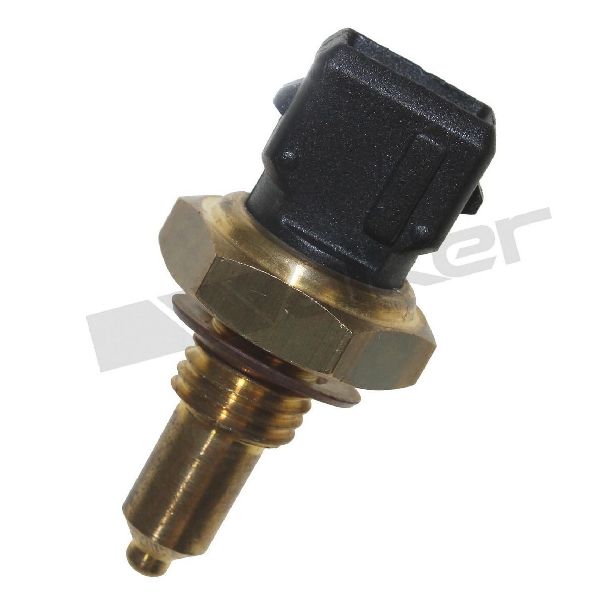
- Tier 2: Reputable Aftermarket. Brands like Beck Arnley, Standard Ignition (SMP), and Walker Products generally offer good quality parts that meet or exceed OEM specifications. They are a solid choice if a premium brand is not available.
- Tier 3: Budget Brands. Brands like URO Parts, Facet, and other less-known names are the most affordable. However, they have a mixed reputation. While a simple sensor from these brands might work fine, there is a higher risk of poor fitment or early failure. Use these for non-critical applications or if you are on a tight budget, but be aware of the potential trade-offs.
Pro Tip: Replace the O-Ring and Clip
The sensor in the lower radiator hose is known for leaking if the O-ring is old or damaged. It is highly recommended to replace the sensor whenever you replace the lower radiator hose. Reusing an old sensor in a new hose can crush the O-ring and cause a leak. Always use a new O-ring with a new sensor.
Cost of a New Engine Coolant Temperature Sensor (2000 BMW 323Ci)
| Part Type | Estimated Cost |
|---|---|
| New Aftermarket | $19 - $48 |
| New OEM (Genuine BMW) | $50 - $85 |
| Shop Labor | $90 - $150 |
Note: Costs are estimates and can vary based on location and supplier. The 2000 323Ci has two different sensors; prices are for a single sensor.
Frequently Asked Questions
Where are the coolant temperature sensors located on my 2000 323Ci?
Your 323Ci has two sensors. The main one for the engine computer is located on the cylinder head, underneath the intake manifold, which can be difficult to access. The second sensor, for the electric fan, is much easier to get to. It's plugged directly into the lower radiator hose on the passenger side of the radiator.
Which sensor should I replace?
It depends on your symptoms. If you have engine performance issues, a check engine light for the temp sensor, and a fluctuating gauge, the sensor on the cylinder head is the likely culprit. If your car is overheating in traffic and you've confirmed the fan isn't turning on, the sensor in the lower radiator hose is the first part to check. A diagnostic scan tool that can read live data is the best way to confirm which sensor is faulty.
Is replacing the coolant temp sensor a DIY job?
Replacing the sensor in the lower radiator hose is a very easy DIY job that takes less than an hour. However, replacing the main sensor on the cylinder head is a much more involved job that requires removing the intake manifold and is best left to experienced DIYers or a professional mechanic.
Do I need to drain the coolant to replace the sensor?
Yes, you will lose some coolant when you remove either sensor. For the lower radiator hose sensor, you can minimize coolant loss by being quick, but it's best to drain a small amount of coolant from the radiator's drain plug first. For the cylinder head sensor, the cooling system should be drained. Always perform this work on a cold engine to avoid burns. After replacement, the system must be properly filled and bled to remove air pockets.
Are there any recalls for the coolant temperature sensor on the 2000 BMW 323Ci?
No, there are no specific recalls for the engine coolant temperature sensor on this vehicle. Searches of the National Highway Traffic Safety Administration (NHTSA) database show recalls for airbags and other components, but none related to the cooling system sensors.
Technical Specifications
OEM Part Numbers: 13621433077
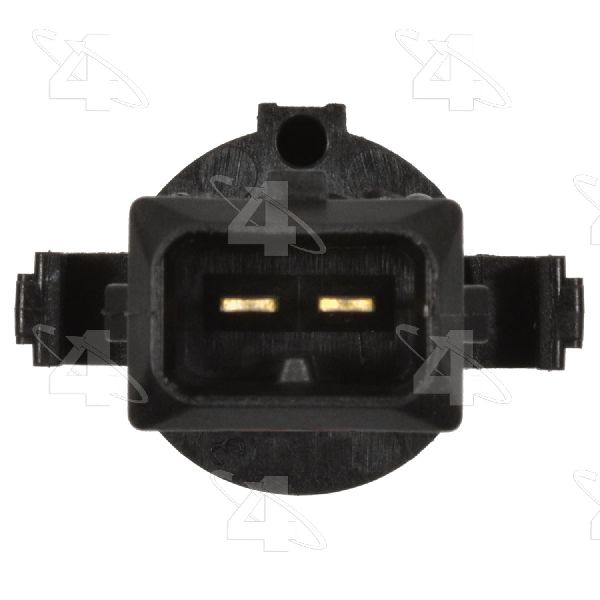
The primary sensor is located in the cylinder head under the intake manifold. The secondary sensor is located in the lower radiator hose. Both are NTC (Negative Temperature Coefficient) thermistors.
We Have This Part in Stock


The information in this article is provided for general reference and educational purposes only. Vehicle specifications, procedures, and part compatibility can vary by production date, trim level, and region. Always consult your vehicle's factory service manual and verify part numbers before purchasing or performing repairs. Safety-critical components such as airbags, seat belts, and braking systems should be installed by a qualified professional.
- BMW 323Ci:
- 🛍️ Shop This Part
- Symptoms of a Failing Coolant Temperature Sensor
- Common Failure Symptoms:
- Choosing the Right Aftermarket Sensor
- Brand Quality Tiers for BMW E46
- Pro Tip: Replace the O-Ring and Clip
- Cost of a New Engine Coolant Temperature Sensor (2000 BMW 323Ci)
- Frequently Asked Questions
- 🎟️ Get 5% Off