

Engine Coolant Temperature Sensor Guide for 2000-2004 Jeep Grand Cherokee (WJ)
Solve overheating, poor mileage, and erratic gauge readings on your WJ Grand Cherokee by choosing the right coolant sensor.
- A failing sensor can cause a check engine light, overheating, poor fuel economy, and rough running.
- For best results and to avoid repeat repairs, use a genuine Mopar sensor or a top-tier aftermarket brand like NGK/NTK or Delphi.
- Replacement is an easy, beginner-friendly DIY job that takes less than 30 minutes with basic tools.
- The sensor is located on the thermostat housing at the front of the engine on both 4.0L and 4.7L models.
Is Your Grand Cherokee's Temp Gauge Acting Up?

A faulty Engine Coolant Temperature (ECT) sensor can cause more than just a wrong reading on your dashboard. Because this single sensor provides critical data to the engine computer, a bad signal can lead to serious performance issues, poor fuel economy, and even engine overheating. For the 2000-2004 (WJ) Grand Cherokee, with either the 4.0L inline-six or the 4.7L V8, this sensor is a common replacement item that can solve a variety of confusing symptoms.
Symptoms of a Failing Coolant Temp Sensor

When the ECT sensor fails, it can send incorrect signals to the computer, or no signal at all. This can trick the computer into thinking the engine is colder or hotter than it actually is. Look out for these common signs:
- Check Engine Light: Often, the first sign is a check engine light with codes like P0117 (circuit low) or P0118 (circuit high).
- Engine Overheating: If the sensor fails to report a high temperature, the electric cooling fan may not turn on when it's supposed to, leading to overheating, especially in traffic.
- Poor Fuel Economy: If the sensor is stuck sending a 'cold' signal, the computer will enrich the fuel mixture, wasting gas.
- Black Smoke from Exhaust: A very rich fuel mixture from a false 'cold' signal can result in unburned fuel exiting through the exhaust as black smoke.
- Hard Starting or Rough Idle: An incorrect temperature reading can cause the computer to set the wrong fuel mixture and ignition timing for starting, leading to rough running or stalling.
- Erratic Temperature Gauge: The gauge on your dashboard may spike to hot, stay on cold, or fluctuate randomly. 🎬 Watch: 8 common symptoms of a failing coolant sensor
Don't Ignore the Signs
Driving with a faulty coolant temperature sensor is not recommended. It can lead to excessive fuel consumption, internal engine carbon buildup, and a significant risk of engine damage from overheating.
Choosing the Right Aftermarket Sensor: OEM vs. Aftermarket

For many sensors on Jeep vehicles, there is a strong owner preference for using original Mopar parts. Aftermarket sensors can sometimes have different resistance values than the original, leading to inaccurate readings and persistent problems, even with a new part. However, some aftermarket brands are known to be OEM suppliers or produce high-quality equivalents.
Brand Quality Tiers for Your WJ Grand Cherokee
- Top Tier (OEM & OEM-Equivalent): Mopar is the factory part and the safest bet for guaranteed compatibility. Brands like NGK/NTK and Delphi are often original equipment manufacturers for many car brands and are highly regarded for their quality and reliability.
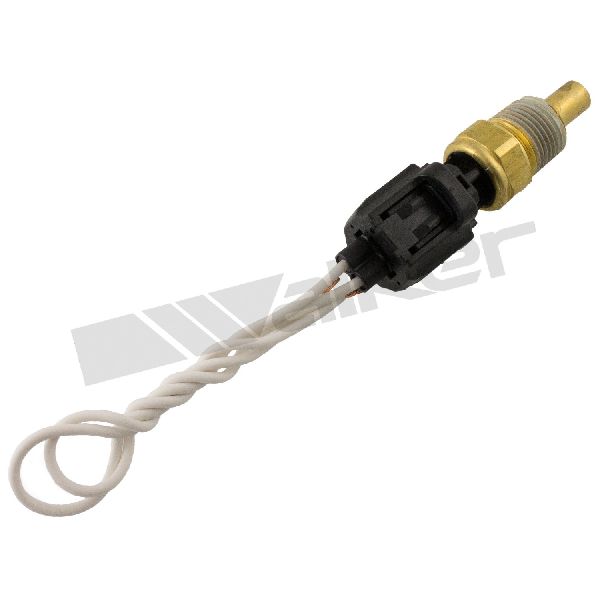
- Quality Aftermarket: Brands like Standard Motor Products (SMP) and Walker Products have a long-standing reputation for producing reliable aftermarket parts that meet or exceed OE specifications. They offer a good balance of quality and price.
- Value-Oriented: Brands such as Crown Automotive, Four Seasons, and others offer a budget-friendly option. While they can be a good value, quality can sometimes be inconsistent for electronic sensors. These are best for those willing to accept a potential risk for a lower price.
Installation Snapshot
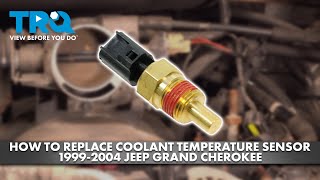
On both the 4.0L and 4.7L engines in the 2000-2004 Grand Cherokee, the ECT sensor is located on the front of the engine in the thermostat housing, making it very accessible. Replacement is a simple DIY job that typically takes less than 30 minutes. You'll need a deep socket (usually 19mm or 3/4") and a ratchet. Be sure to perform the replacement on a cold engine to avoid burns and minimize coolant loss.
🎬 Watch this step-by-step replacement guide for your Grand CherokeeCost of a New Engine Coolant Temperature Sensor
| Part Type | Price Range |
|---|---|
| New Aftermarket | $13.22 - $117.51 |
| New OEM (Mopar) | $40 - $75 |
| Shop Labor | $50 - $100 |
Frequently Asked Questions

Can I drive my Grand Cherokee with a bad coolant temp sensor?
It is not recommended. You risk poor engine performance, terrible fuel economy, and most importantly, potential engine damage from overheating if the cooling fans don't activate correctly.
Is a Mopar sensor really worth the extra cost?
For critical sensors on Jeeps, many experienced owners and mechanics say yes. Using a Mopar or a top-tier OEM-equivalent brand like NGK/NTK minimizes the risk of compatibility issues and premature failure that can occur with some budget-friendly aftermarket sensors.
Where is the coolant temperature sensor located?
For the 2000-2004 Grand Cherokee (WJ), it's located on the thermostat housing at the front of the engine for both the 4.0L and 4.7L engines.
My check engine light is on. Could it be this sensor?
Yes. Diagnostic Trouble Codes (DTCs) P0117 (Sensor Circuit Low Voltage) and P0118 (Sensor Circuit High Voltage) point directly to a problem with the ECT sensor or its wiring.
🎬 See how to test and replace sensors for P0117 codesHelpful Videos
Technical Specifications
OEM Part Numbers: 56027873
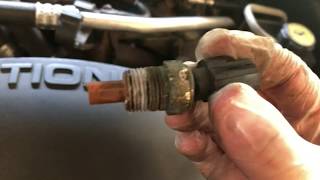
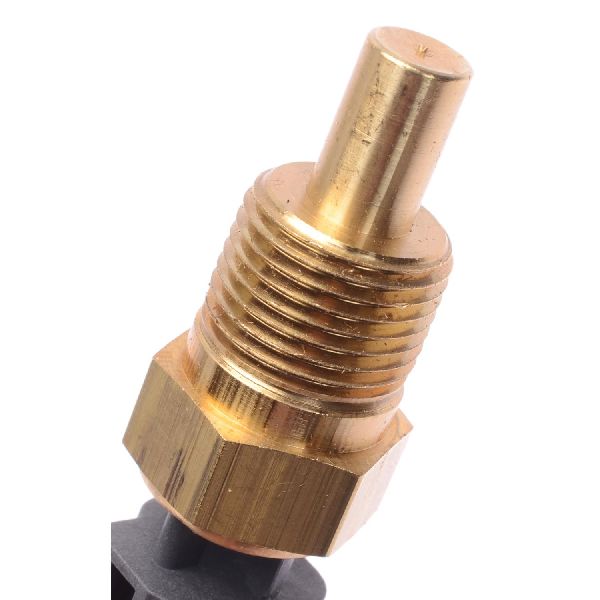
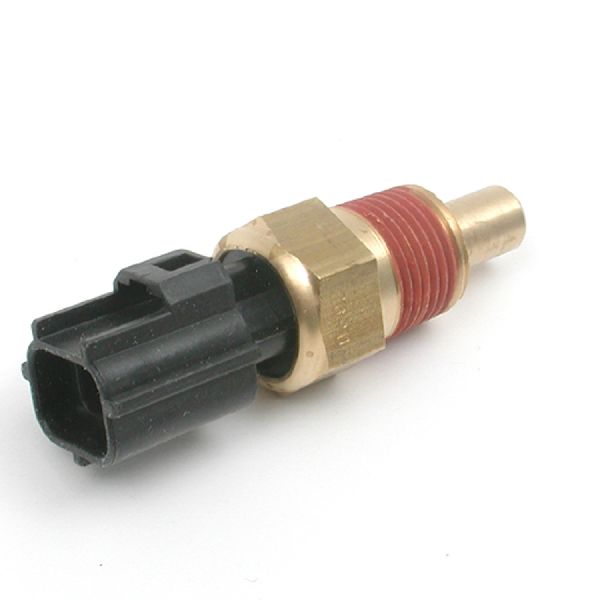
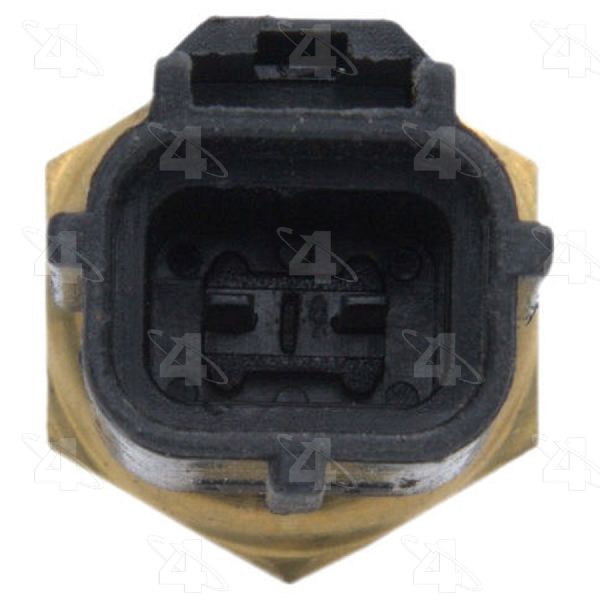
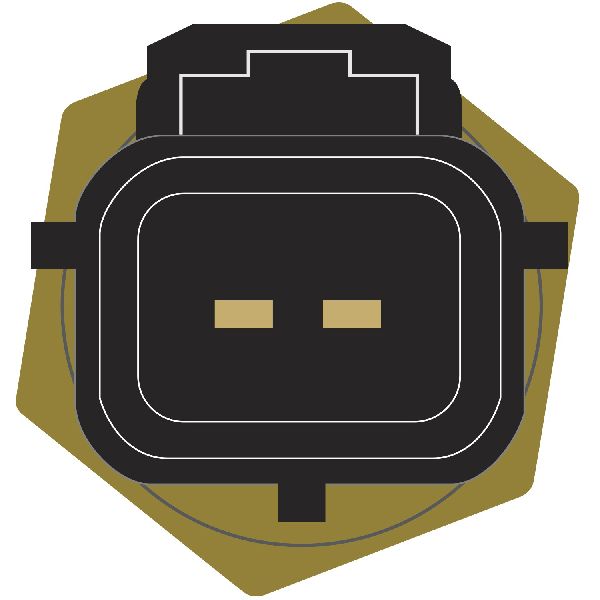
The sensor for the 2000-2004 Jeep Grand Cherokee (WJ) is a two-pin thermistor that threads into the thermostat housing. It provides temperature readings to both the PCM for engine management and the dashboard temperature gauge.
We Have This Part in Stock


The information in this article is provided for general reference and educational purposes only. Vehicle specifications, procedures, and part compatibility can vary by production date, trim level, and region. Always consult your vehicle's factory service manual and verify part numbers before purchasing or performing repairs. Safety-critical components such as airbags, seat belts, and braking systems should be installed by a qualified professional.
- Jeep Grand Cherokee:
- 🎬 Helpful Videos
- 🛍️ Shop This Part
- Is Your Grand Cherokee's Temp Gauge Acting Up?
- Symptoms of a Failing Coolant Temp Sensor
- Don't Ignore the Signs
- Choosing the Right Aftermarket Sensor: OEM vs. Aftermarket
- Brand Quality Tiers for Your WJ Grand Cherokee
- Installation Snapshot
- Cost of a New Engine Coolant Temperature Sensor
- Frequently Asked Questions
- 🎟️ Get 5% Off