

Ford Mustang Fuel Injector Guide (2000-2005)
Keep your Mustang's V6 or V8 engine running strong with the right fuel injectors.
- A failing injector can cause misfires, rough idle, poor gas mileage, and dangerous fuel leaks.
- For stock replacement, brands like Bosch, Delphi, and Standard Ignition offer good quality and value.
- Always replace injectors as a full set to maintain engine balance.
- If you smell fuel, stop driving immediately as it's a fire hazard.
Signs of a Failing Fuel Injector
When a fuel injector starts to fail, it can be from a clog, an electrical issue, or a simple leak. The symptoms can range from annoying to serious. Often, the first sign is a 'Check Engine' light on your dashboard.
🎬 Watch: How to identify and test a failing fuel injector.- Rough Idle and Stalling: A bad injector can upset the engine's balance, causing it to shake, run rough, or even stall.
- Engine Misfires: You might feel a hesitation or stumble during acceleration. This is often logged as a trouble code like P0301 through P0308.
- Poor Fuel Economy: If an injector is stuck open or leaking, it wastes gas, and you'll notice you're filling up more often.
- Fuel Smell: A strong smell of gasoline around the engine bay is a major red flag. This is often caused by a leaking O-ring, which is a critical safety issue that needs immediate attention.
- Hard Starting: A leaking injector can flood a cylinder, making the engine difficult to start.
Fuel Leaks Are a Fire Hazard
If you smell raw fuel, see gasoline drips under the car, or notice a visible leak on the engine, stop driving immediately. A fuel leak near a hot engine is a serious fire risk.
Choosing the Right Aftermarket Fuel Injector
When replacing your Mustang's fuel injectors, you have several options. The choice often comes down to a balance of quality, performance, and price.
OEM vs. Aftermarket
Motorcraft is Ford's original equipment (OEM) brand. These are the parts your Mustang was built with, offering guaranteed fit and quality. They are the most expensive option but are a reliable benchmark.
Aftermarket brands offer a range of quality and price. For a daily driver, a quality aftermarket part can provide OEM-level performance for less money. For modified Mustangs (like those with a turbo or supercharger), aftermarket high-flow injectors are a necessity to supply the extra fuel needed.
Brand Tiers
Not all aftermarket brands are created equal. Here’s a breakdown of the brands available for your 2000-2005 Mustang:
- Premium Aftermarket (Bosch, Delphi): Both Bosch and Delphi are major OEM suppliers to many car manufacturers. They have a strong reputation for quality and engineering that often meets or exceeds original factory specs. Many consider Bosch injectors to be a top-tier choice for reliability and performance.
- Trusted Aftermarket (Standard Ignition): Standard Motor Products (SMP) is a well-regarded aftermarket company. They offer a good balance of quality and value, and sometimes even re-box OEM parts. They are a solid choice for a stock replacement.
- Value Brands (GBR Fuel Injection, Replacement): These brands typically offer the lowest price. While they can be a budget-friendly solution, quality can be inconsistent. They may be suitable for a quick repair on a limited budget, but for long-term reliability, investing in a more reputable brand is often recommended.
Pro Tip: Replace as a Set
It is highly recommended to replace all fuel injectors at the same time. Injectors are flow-matched from the factory to ensure each cylinder gets the same amount of fuel. 🎬 See this step-by-step injector installation guide for V8 Mustangs. Replacing just one can lead to an unbalanced engine. If one injector has failed due to age or clogging, the others are likely not far behind.
| Part Type | Estimated Cost (Single Injector) | Estimated Cost (Set of 6 or 8) |
|---|---|---|
| New OEM (Motorcraft) | $100 - $150 | $600 - $1200 |
| New Aftermarket (Premium) | $60 - $100 | $360 - $800 |
| New Aftermarket (Value) | $40 - $60 | $240 - $480 |
| Shop Labor | $200 - $400 | |
Known Issues: Recalls & TSBs
My search did not find any specific fuel injector recalls or Technical Service Bulletins (TSBs) for the 2000-2005 Ford Mustang model years. Later model year Mustangs have had recalls for cracked injectors or missing O-ring components, but these do not apply to the 2000-2005 generation. However, TSBs for this era do mention that lean codes (like P0171/P0174) are often caused by vacuum leaks rather than faulty injectors.
Frequently Asked Questions (FAQ)
Do I need a tune after installing new injectors?
If you are replacing your stock injectors with new ones of the same flow rate (e.g., 19lb/hr for a GT), you do not need a new engine tune. However, if you are upgrading to a higher flow rate injector (e.g., 24lb/hr or more) for performance modifications, a new tune is absolutely required. Without it, your engine will run too rich, leading to poor performance, bad fuel economy, and potential engine damage.
What are the O-rings and should I replace them?
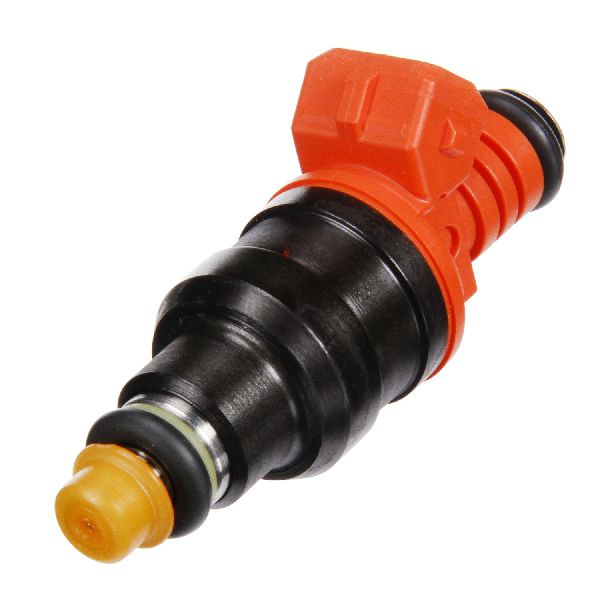
Fuel injector O-rings are small rubber seals at the top and bottom of the injector. They prevent fuel from leaking out of the fuel rail and prevent air from leaking into the engine. Over time, they can become hard, brittle, and cracked. It is critical to replace the O-rings whenever you install new injectors. Most new injectors come with O-rings, but always double-check. Lubricate the new O-rings with a little clean engine oil before installation to ensure a good seal and prevent tearing.
Can I clean my old injectors instead of replacing them?
While bottle additives can provide some cleaning, for a true restoration, professional off-car cleaning is the only way. This involves sending your injectors to a service that uses ultrasonic cleaners and flow-testing equipment. This can be a cost-effective option if the injectors are just dirty and not electrically failed. However, if your car has high mileage, replacing them with a new set provides more peace of mind.
Is this a DIY job?
For a mechanically inclined owner, replacing the fuel injectors on a 2000-2005 Mustang is a manageable DIY project. The process involves relieving fuel pressure, disconnecting the fuel rail, and swapping the injectors. 🎬 Watch: A complete walkthrough for replacing injectors on V6 models. The most important steps are working safely with gasoline and ensuring the new injectors and O-rings are seated correctly to prevent leaks.
Helpful Videos
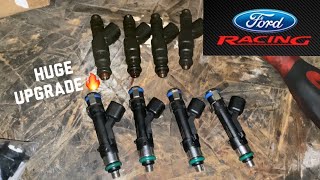
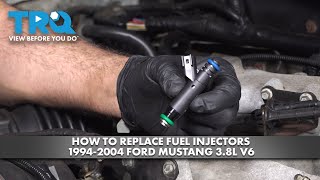
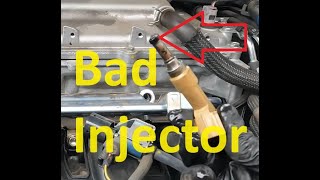

Technical Specifications
OEM Part Numbers: F87E-D2B XR3Z-9F593-AA CM-4951
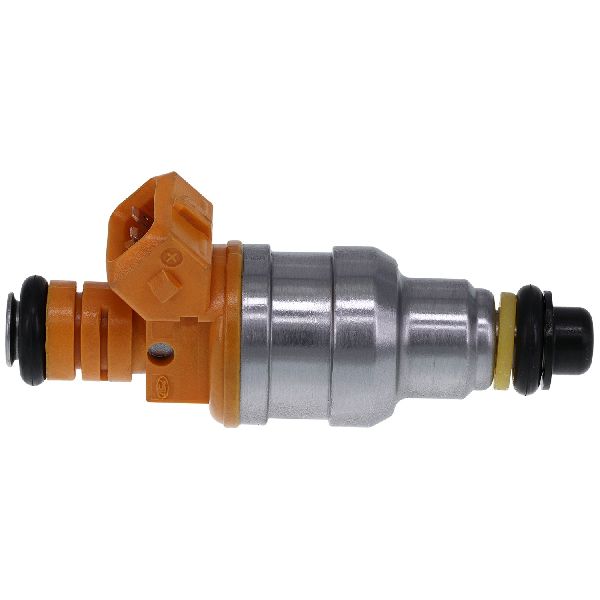
Stock flow rate for the 4.6L GT is 19 lbs/hr. The 3.8L V6 also uses 19 lbs/hr injectors. Both use an EV6-style body with a USCAR electrical connector.
We Have This Part in Stock


The information in this article is provided for general reference and educational purposes only. Vehicle specifications, procedures, and part compatibility can vary by production date, trim level, and region. Always consult your vehicle's factory service manual and verify part numbers before purchasing or performing repairs. Safety-critical components such as airbags, seat belts, and braking systems should be installed by a qualified professional.
- Ford Mustang: